In East Africa, you can follow a cup of coffee all the way back to the farm. On Kilimanjaro's lower slopes, coffee grows among bananas. In Arusha, guest rooms sit beside the coffee trees. Further south at Mbeya, plantations spread across a different highland landscape. In Kenya, farm tours take you through growing, processing and tasting. A familiar drink takes on the shape of the trees, the soil and the people who grow it.
Moshi, Tanzania | Roast coffee at the foot of Kilimanjaro
Materuni is a Chagga village on Kilimanjaro's southern slopes near Moshi. A coffee visit fits naturally with the village, banana gardens and the walk to a waterfall. A guide takes you through hillside farms, explains local plants and village life, and leads you on to Materuni Falls.
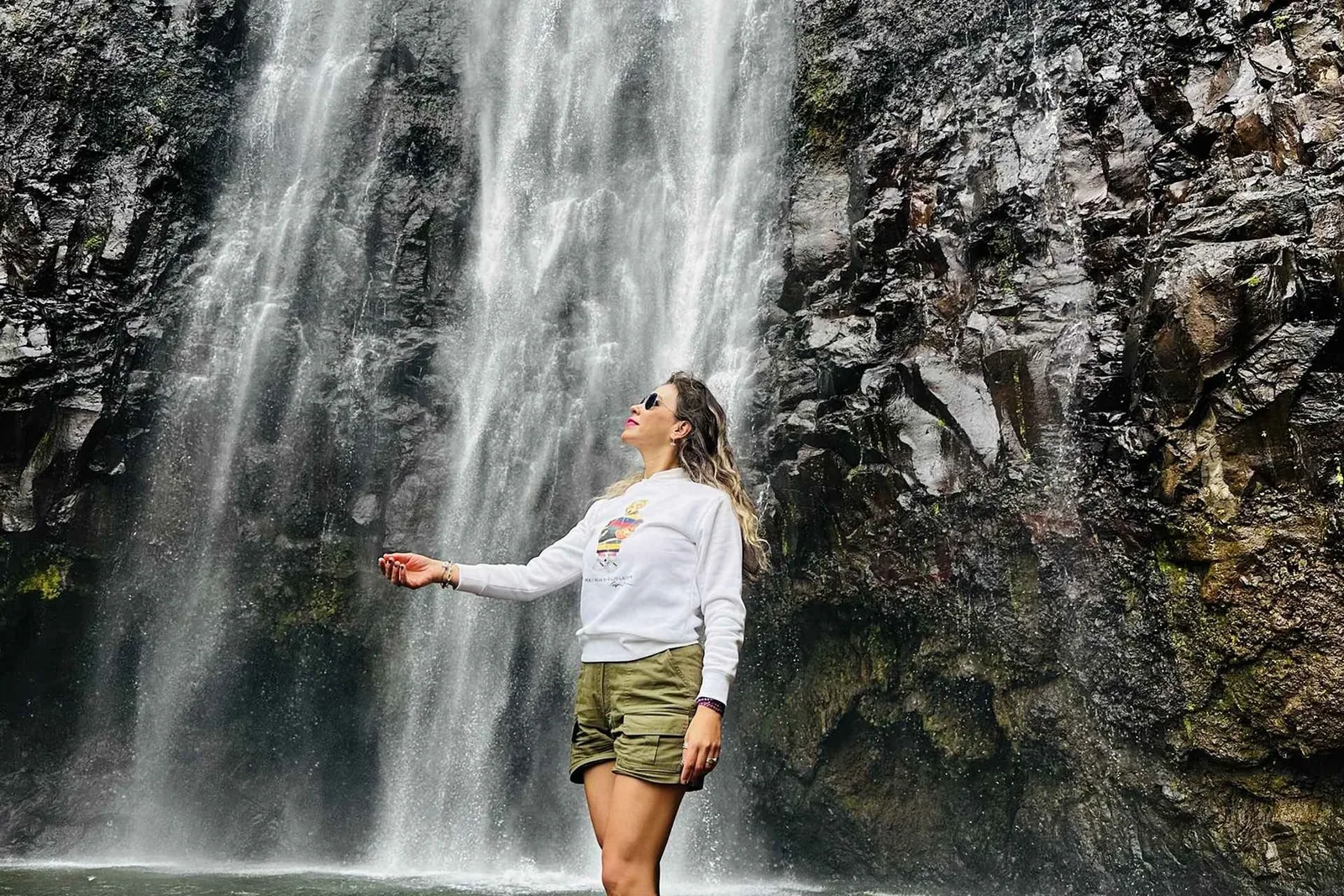
Back in the village, gather around for a traditional demonstration of roasting, grinding and brewing. Songs and stories introduce Chagga culture. The coffee in your cup comes from the slopes you have just walked. If you are doing the waterfall and coffee on the same day, add a local lunch.
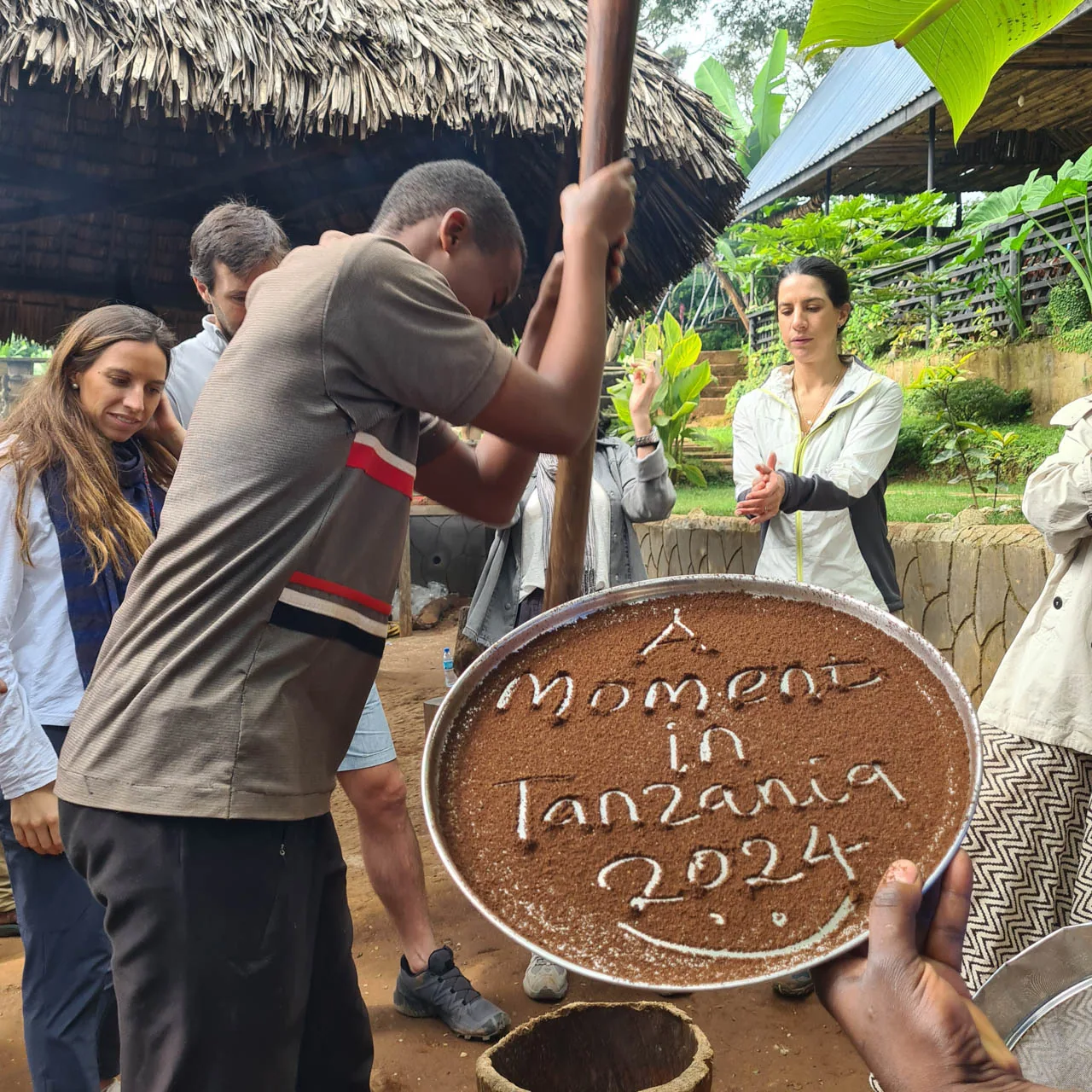
Materuni suits travellers who like walking and want to learn about village life. I would put it on the Moshi and Kilimanjaro foothills leg. You spend part of the day outdoors and part of it making coffee yourself.
Arusha, Tanzania | Stay beside the coffee trees
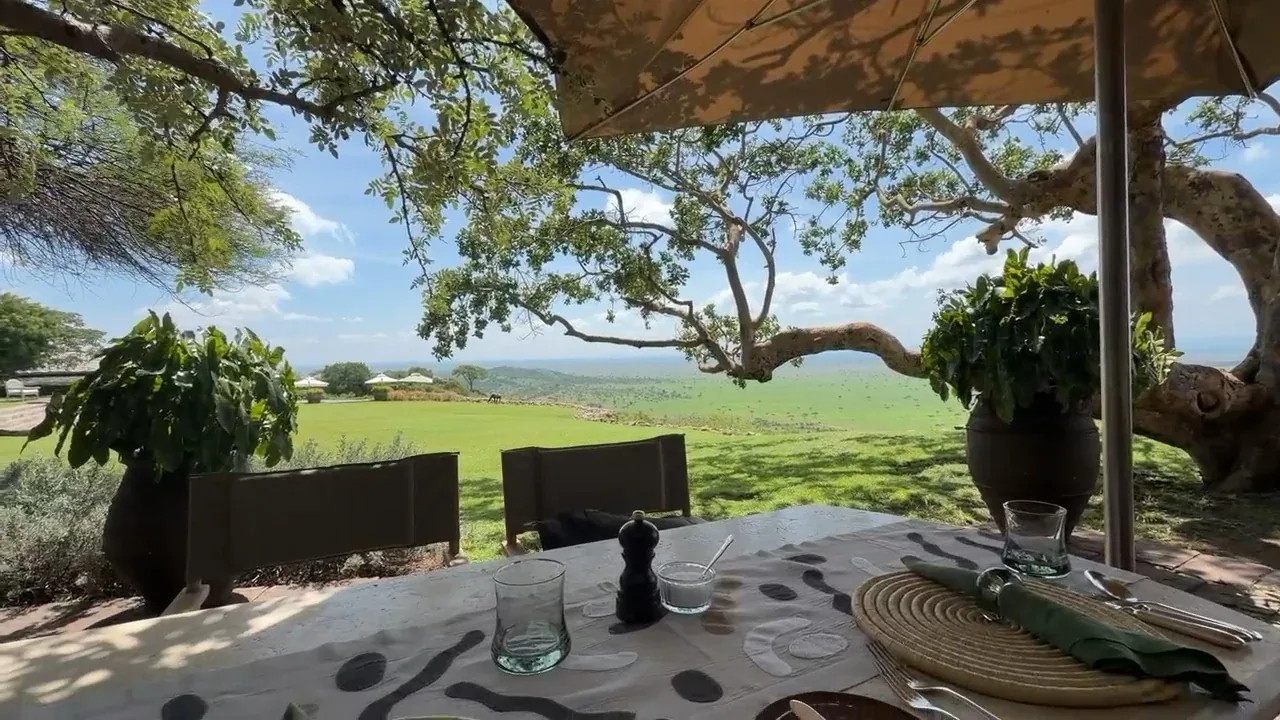
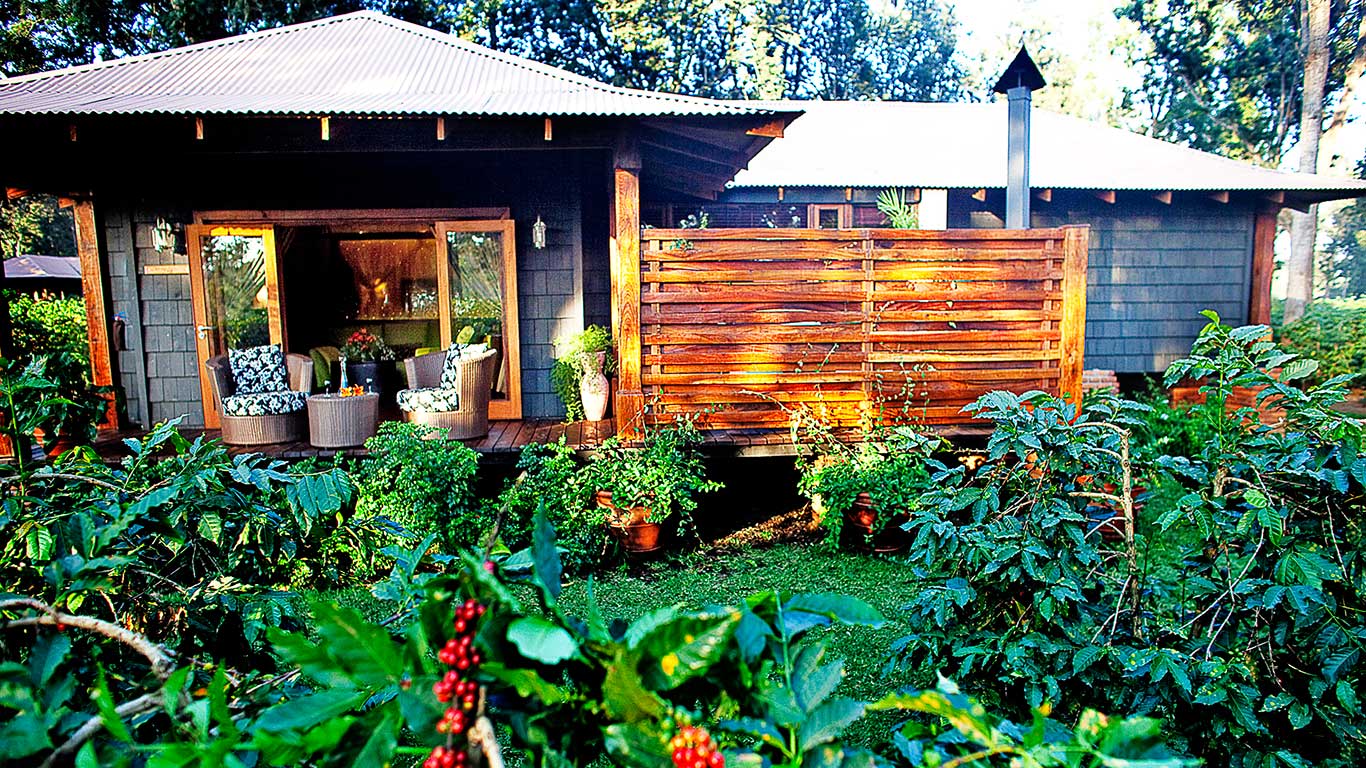
Elewana Collection's Arusha Coffee Lodge sits on a working estate. Timber rooms, terraces and gardens sit right beside the coffee trees. If you like an estate stay, you can walk, eat and take a tour without leaving the grounds.
The lodge's bean-to-cup tour takes about an hour. A guide takes guests through the trees and explains growing, harvesting, drying and roasting. It is an accessible way to learn about production on a short walk through the estate.
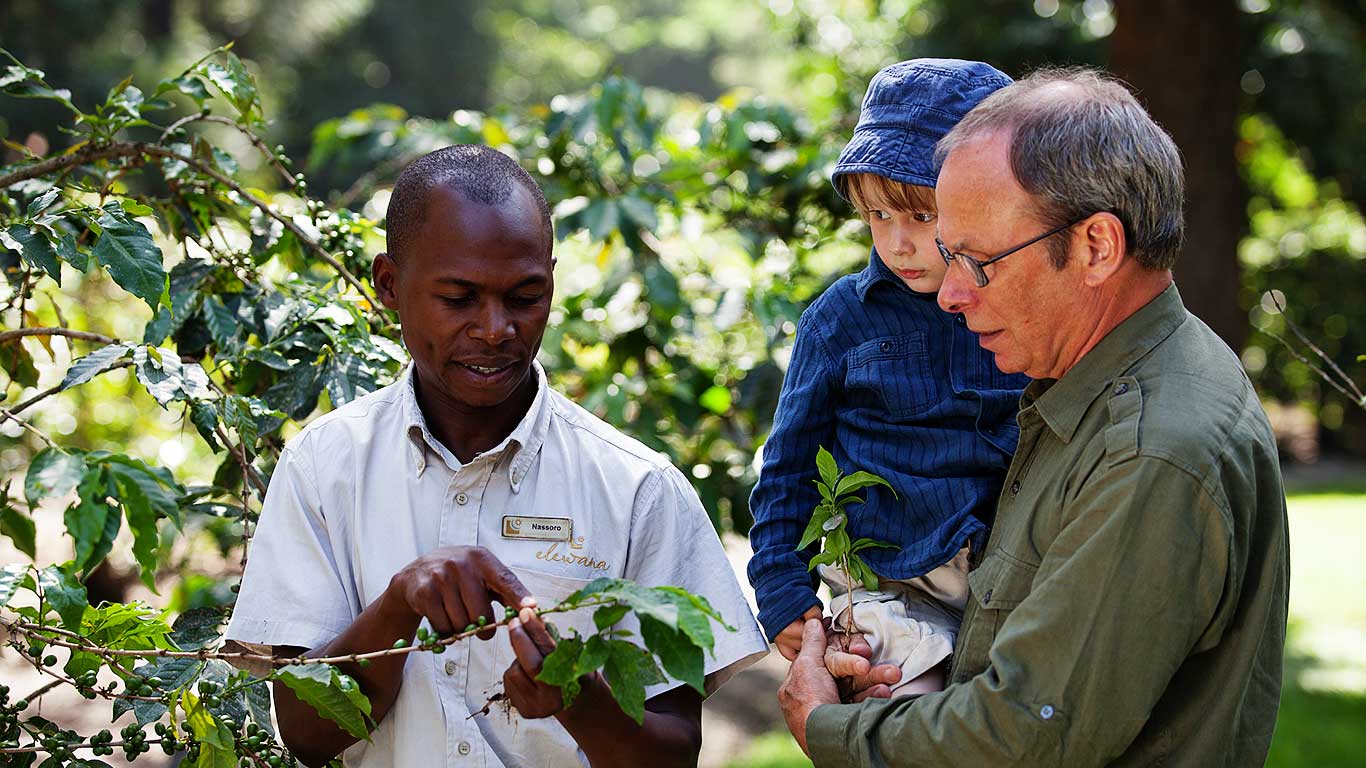
After the tour, stop for coffee and a cake or pastry at Kahawa in Traders Walk. The accommodation, gardens and guided tour are what distinguish Arusha Coffee Lodge from the hands-on village visit at Materuni.
Mbeya, Tanzania | Coffee in the Southern Highlands
Utengule and Lunji are two names to know in Tanzania's Southern Highlands. The growing country around Mbeya has a different landscape from the north. Lunji grows coffee on the Mbeya foothills at about 1,500–1,700 metres and describes its processing as washed.
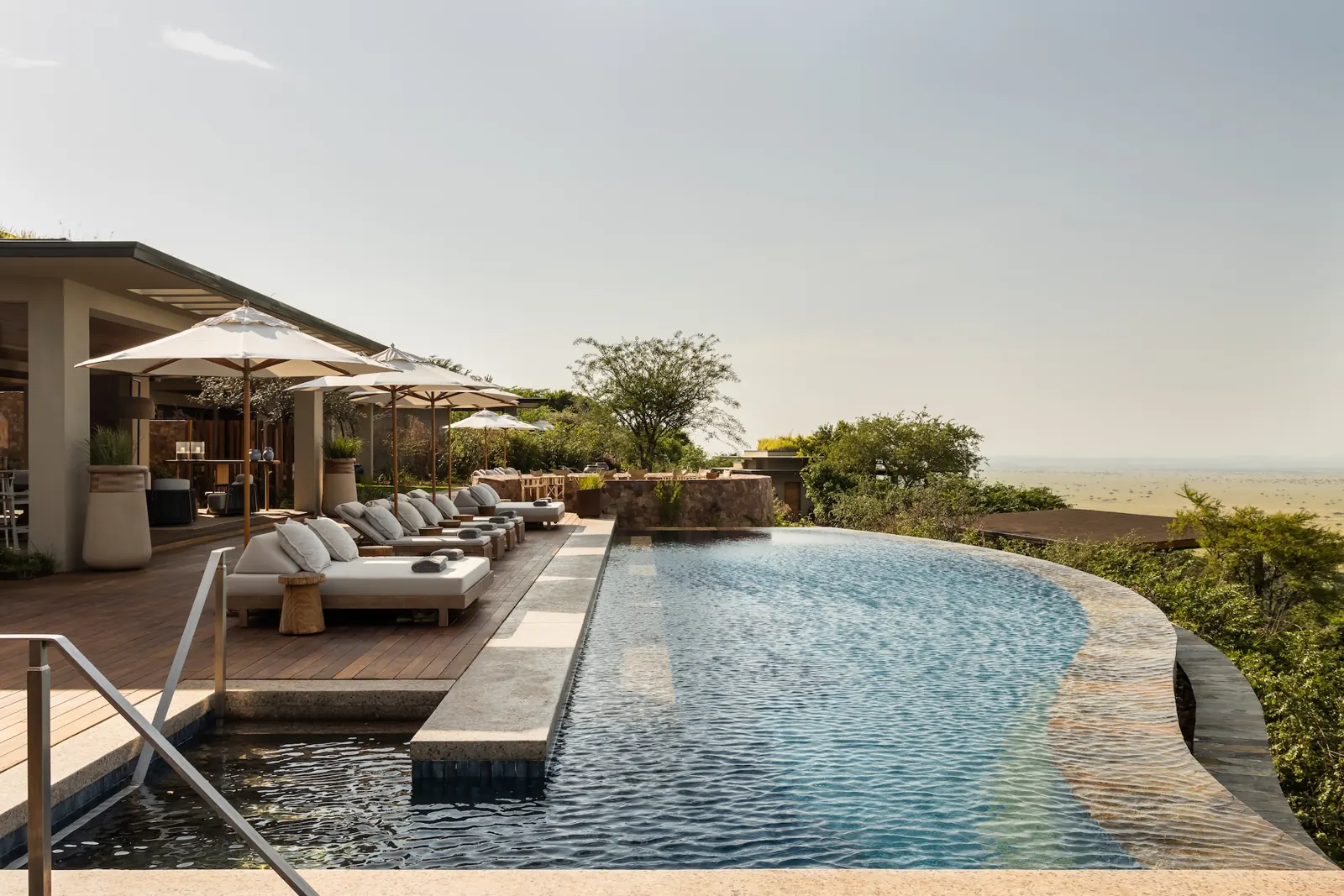
For a tour and overnight stay, look at Utengule. Its coffee tour covers seed to cup and ends with a roasting demonstration and estate coffee. Utengule Coffee Lodge has 16 rooms on the slopes of the Mbeya Range. The terrace at the Arabica restaurant and bar looks across the East African Rift.
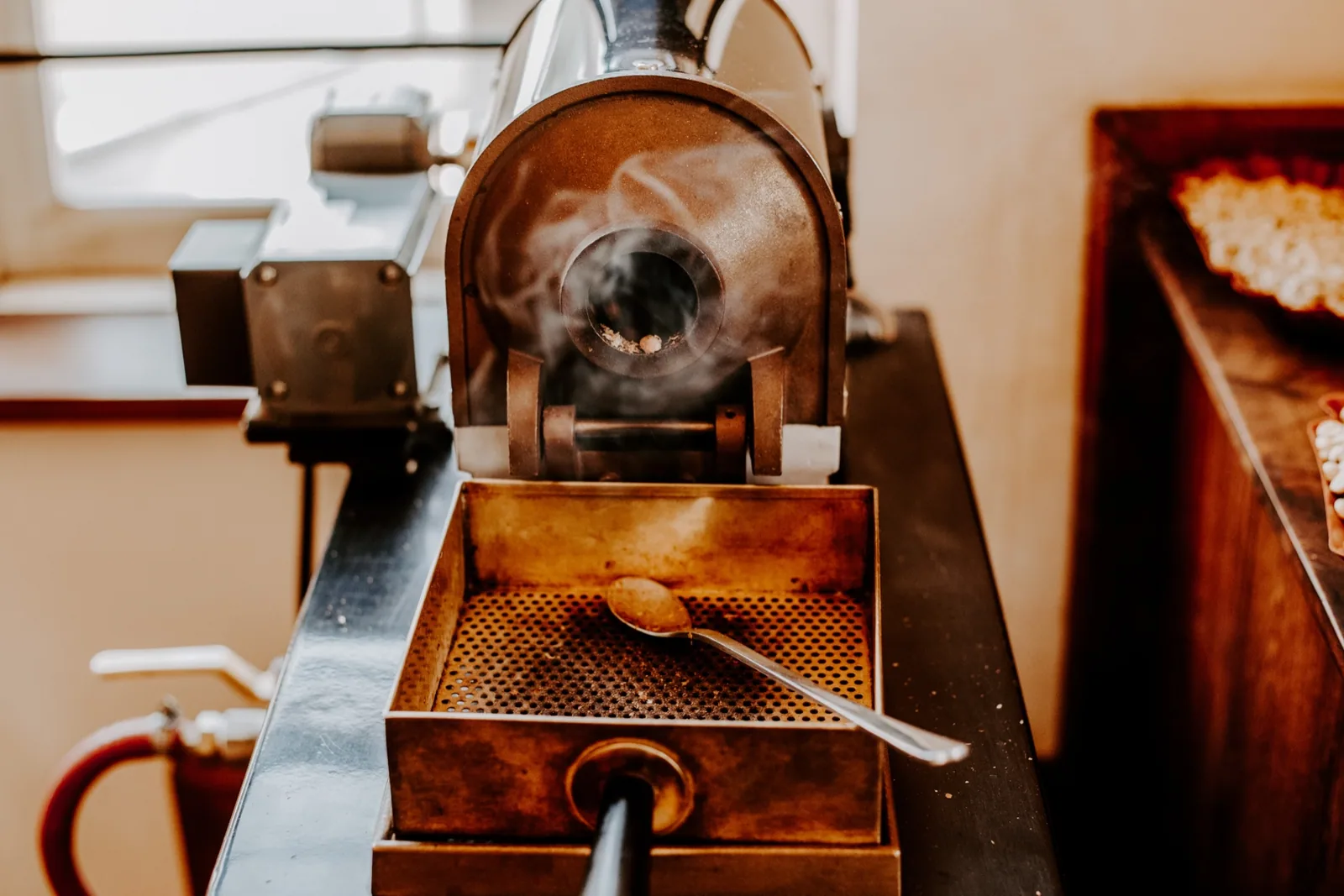
Village walks and activities in the surrounding hills give you time to see the growing region and its landscape together. Mbeya is in southern Tanzania. Give it a place on a dedicated southern or coffee-focused itinerary so you have time to see it properly.
Near Nairobi, Kenya | Follow the processing at Fairview
Fairview Coffee Estate is in the central Kenyan highlands near Kiambu, about 14 kilometres from central Nairobi and around 1,750 metres above sea level. Its usual two-hour tour goes through the growing area, explains processing and ends with a tasting of estate coffee.
You can see the cherries on the trees, the beans being processed and the resulting flavours in the same visit. Staff explain what changes the flavour and introduce different roast levels and grades.
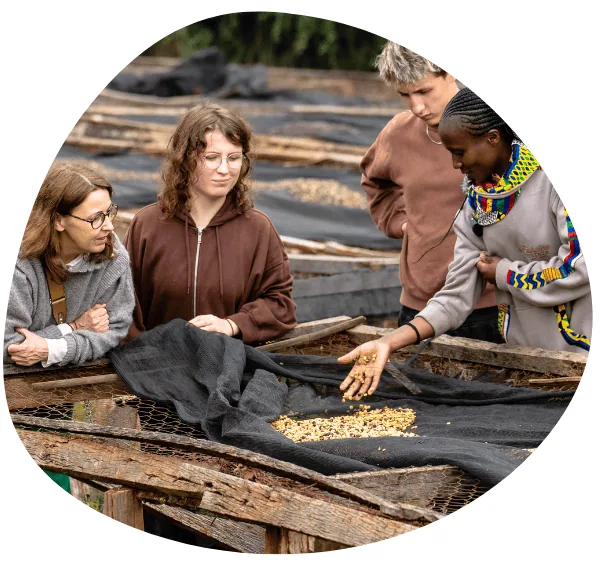
The estate has nature trails and birdwatching too. It suits a Nairobi stay if you want a structured introduction to Kenyan coffee. By the time you buy a bag of beans, you will have a better idea of what you liked about them.
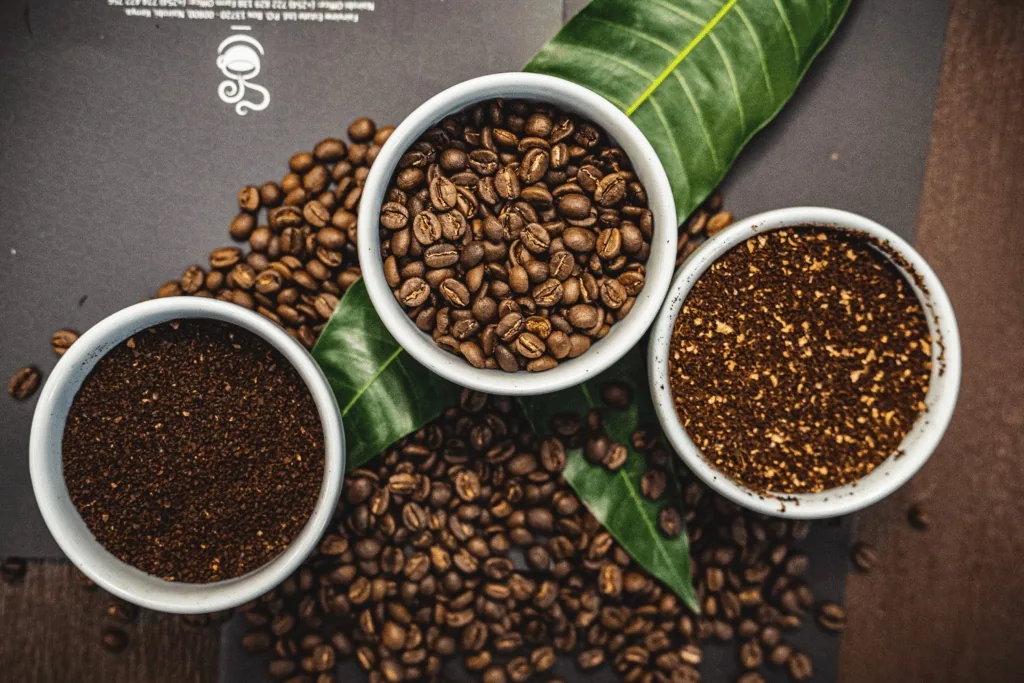
Kiambu County, Kenya | The family behind Karunguru
Coffee planting at Karunguru began in 1928. The Kariithi family took over in 1974, and production and tours remain part of the family business. The estate grows varieties including SL28 and Ruiru 11. Cherries are picked by hand, wet-processed and sun-dried on the farm.
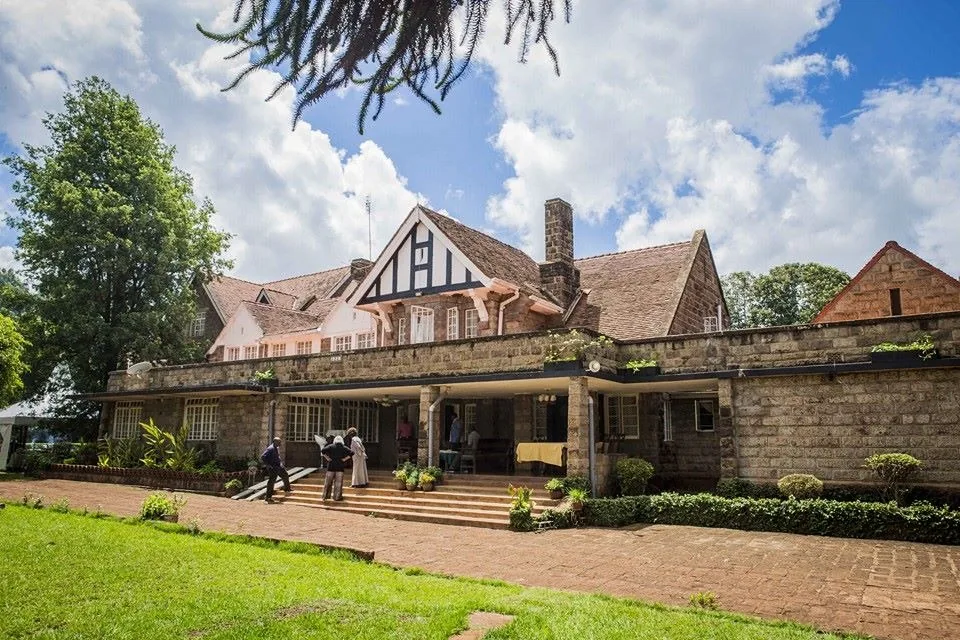
The tour follows coffee from cherry to finished product, with a demonstration and a tasting. Cup different coffees side by side and take home whichever you prefer. The Signature Experience includes a three-course lunch in the historic 1928 Ballroom. The Discovery Tour focuses on the coffee experience without lunch.
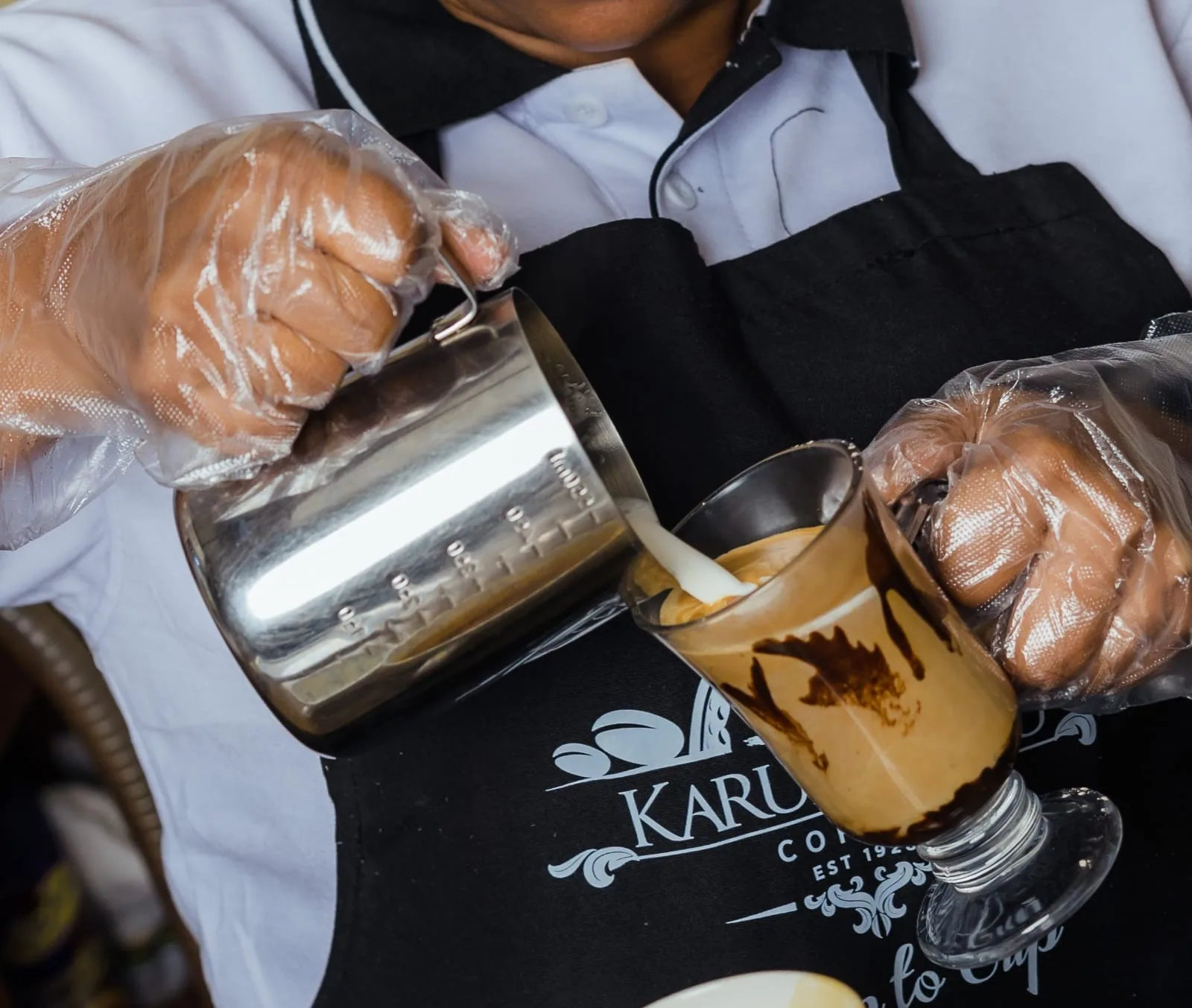
Karunguru suits travellers interested in the history of a working estate as well as its production. The family story gives the walk through the trees context, and lunch can become part of the visit.
What to look for between the tree and the cup
Start at the trees. Look at the cherries, the shade and the growing conditions. Watch what happens next: how cherries are pulped, washed and dried into roasting-ready green beans. A village demonstration and a commercial estate use different tools and operate at different scales. Seeing both tells you more.
At the roasting and tasting stages, pay attention to how the aroma changes and how the acidity, sweetness and body vary. Start by describing what you taste, even if you are new to cupping. The picking season depends on ripeness. Blossoms, developing cherries and the harvest are each worth seeing.

If you take home beans, note the estate, processing method and roast. Brewing them again brings back something of the hillside, the shade and the smell of the roast.
What a coffee stop adds to an East African trip
On safari our eyes are often fixed out on the horizon. On a coffee estate, you notice the soil at your feet, the fruit in your hand and the person standing beside you. The villages near Moshi, an estate stay in Arusha, the Southern Highlands around Mbeya and farm tours near Nairobi each show a different part of life in East Africa.
Free Wilderness fits each experience into the places you are actually passing through. Start with Materuni for village life and hands-on coffee. For an estate stay, look at Arusha Coffee Lodge or Utengule. Choose Fairview or Karunguru if you want to get to know Kenyan coffee better. Start with the cup that interests you most.
Cover image · Elewana Collection
Interested in Africa?
Contact our dedicated travel consultant for a free one-on-one consultation and a bespoke African safari itinerary.
Plan My Trip