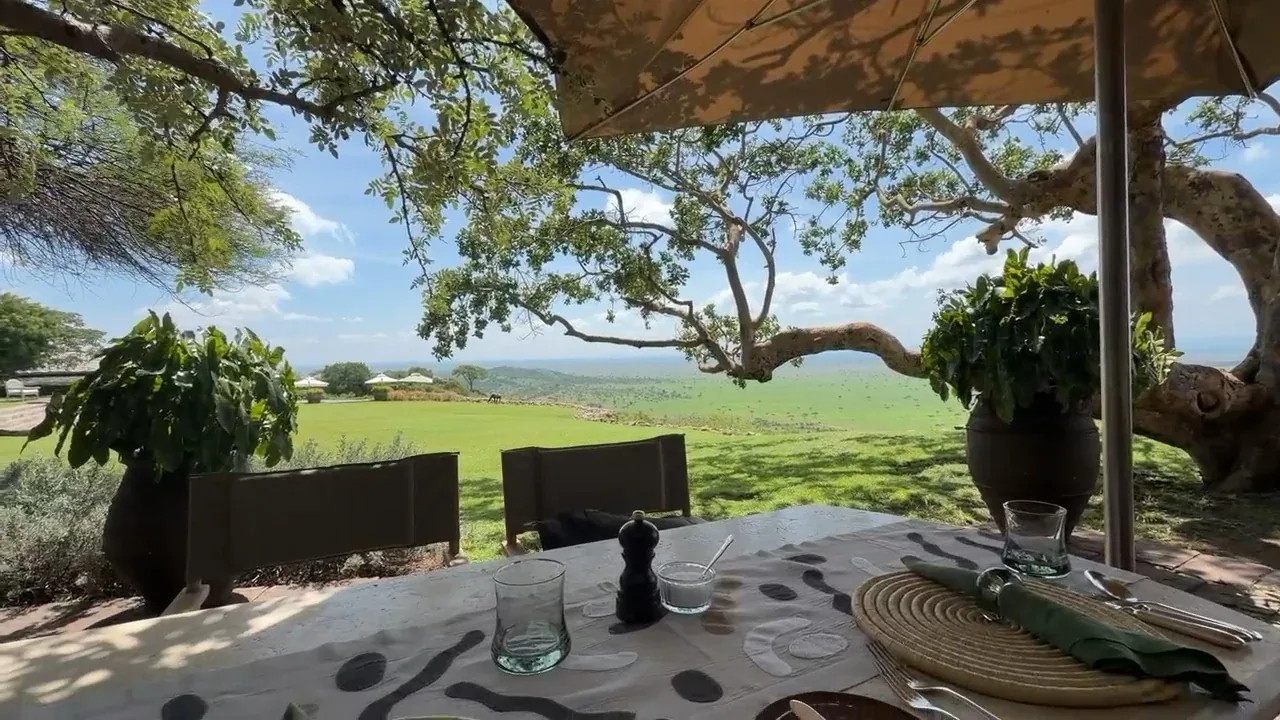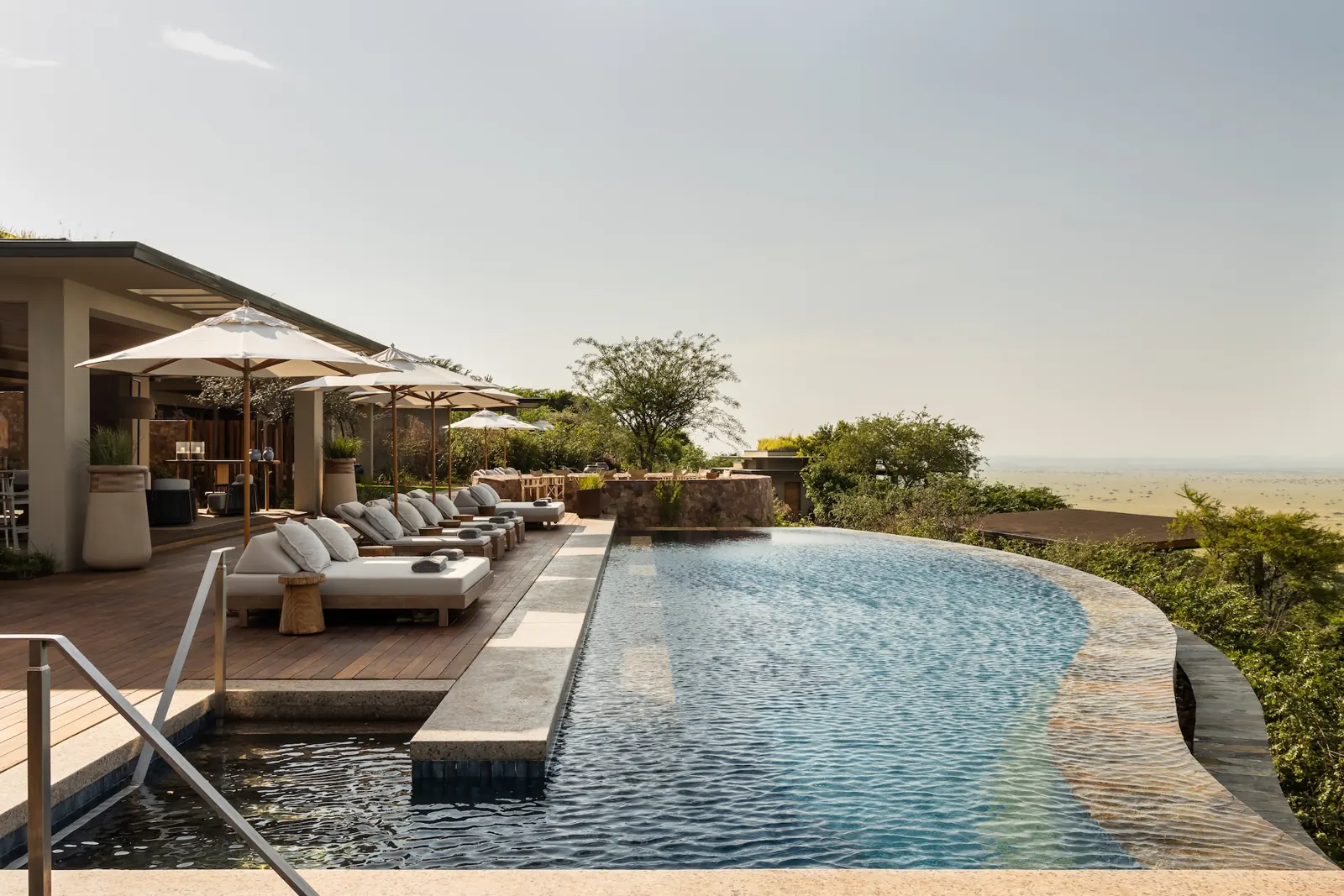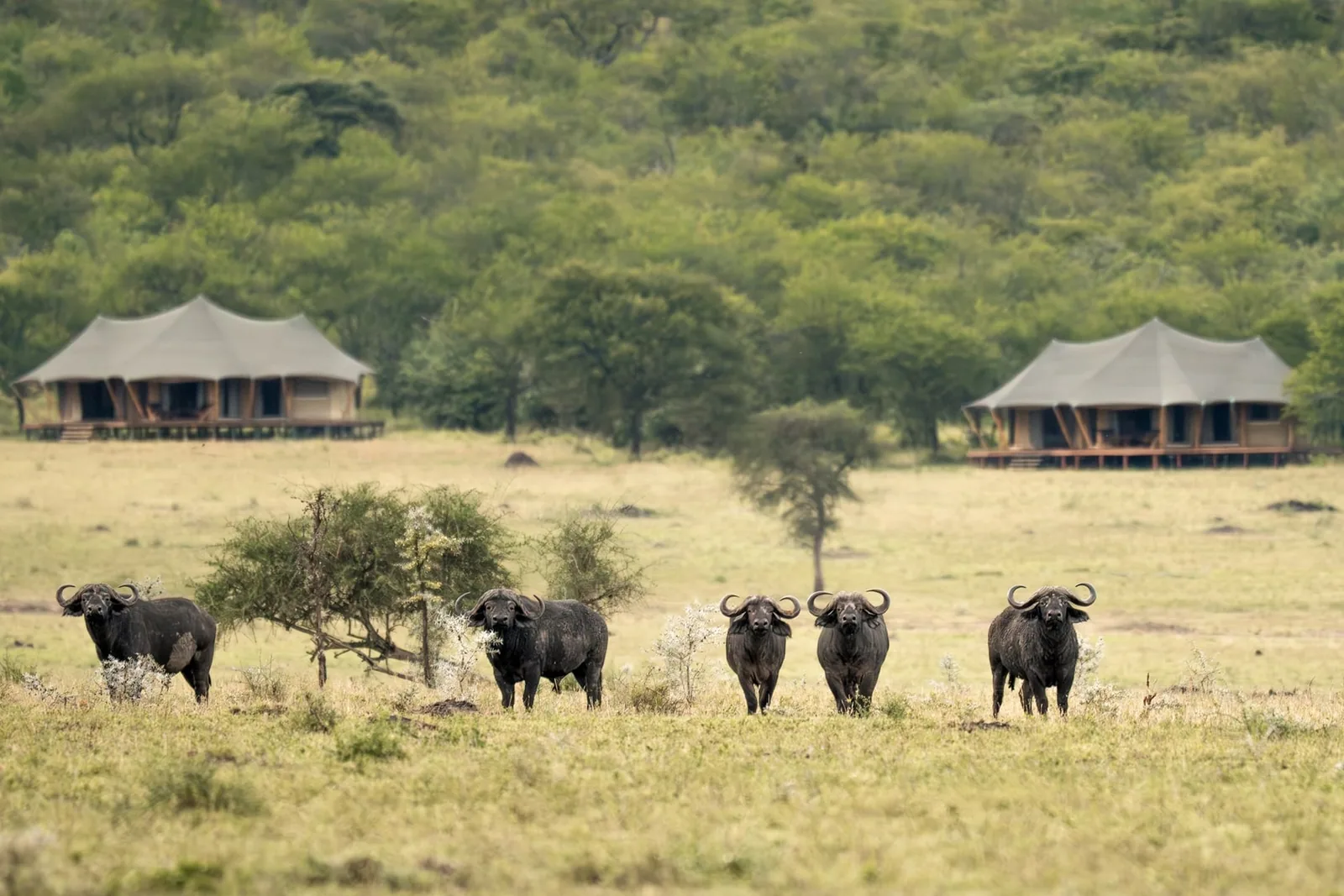
Canvas tents among the northern hills and timber decks out on the central-western plains show two sides of the Serengeti. Kantabile Afrika's Aurari Camp and Cherero Camp put those landscapes at the centre of the stay. Both camps are small, with separate space to sleep, sit and spend time on the deck. They suit a trip with time for game drives and a pause in camp.
The idea behind Godwin and Vivian's camps
Godwin and Vivian Temba founded Kantabile Afrika. The brand dates its founding to 2019. They chose the sites and worked on design, construction and interiors, and still run the camps. The owners helped design the furniture, local artisans made the decorative pieces and the staff are Tanzanian.
The name comes from cantabile, a musical term for playing or singing in a flowing, songlike way. The founders use that sense of rhythm and flexibility to guide the stay, from the rooms and meals to the service and setting. Sustainability and women's leadership are also part of the business. Women hold key roles in camp management, hospitality and the kitchen.
Both camps have permanent sites. Their canvas structures and timber platforms can be dismantled to limit lasting changes to the land. Good beds, bathing facilities and living areas provide comfort, while handmade details and canvas keep the camps close to the landscape.
Aurari Camp | Wogakuria hills near the Mara River
Aurari opened in 2019. It sits among granite boulders and trees in the Wogakuria hills of the northern Serengeti, facing towards the Mara River. The camp lists January to March and May to December as its open months, with April closed. Most arrivals use Kogatende airstrip. The camp puts the transfer at about 45 minutes.
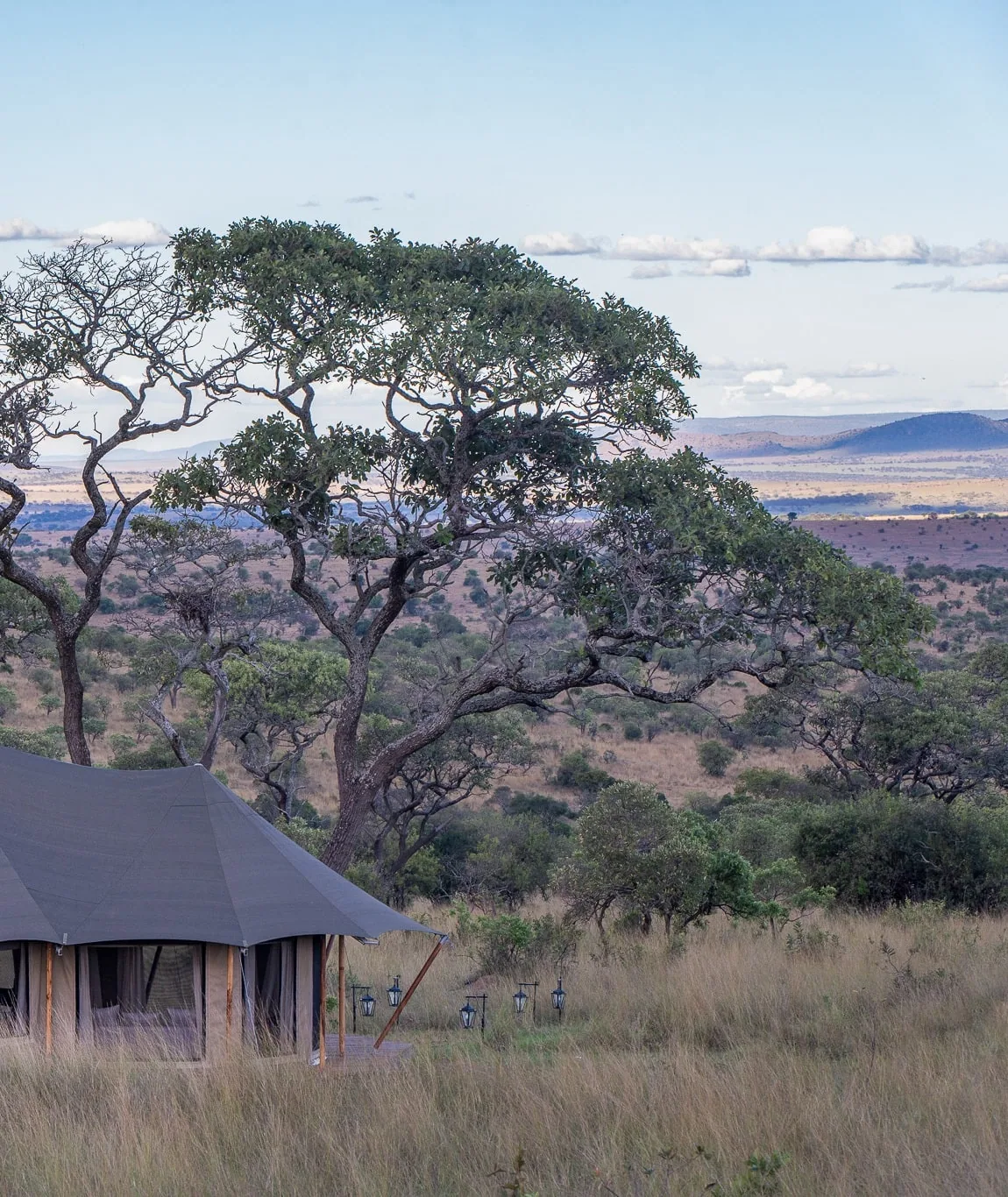
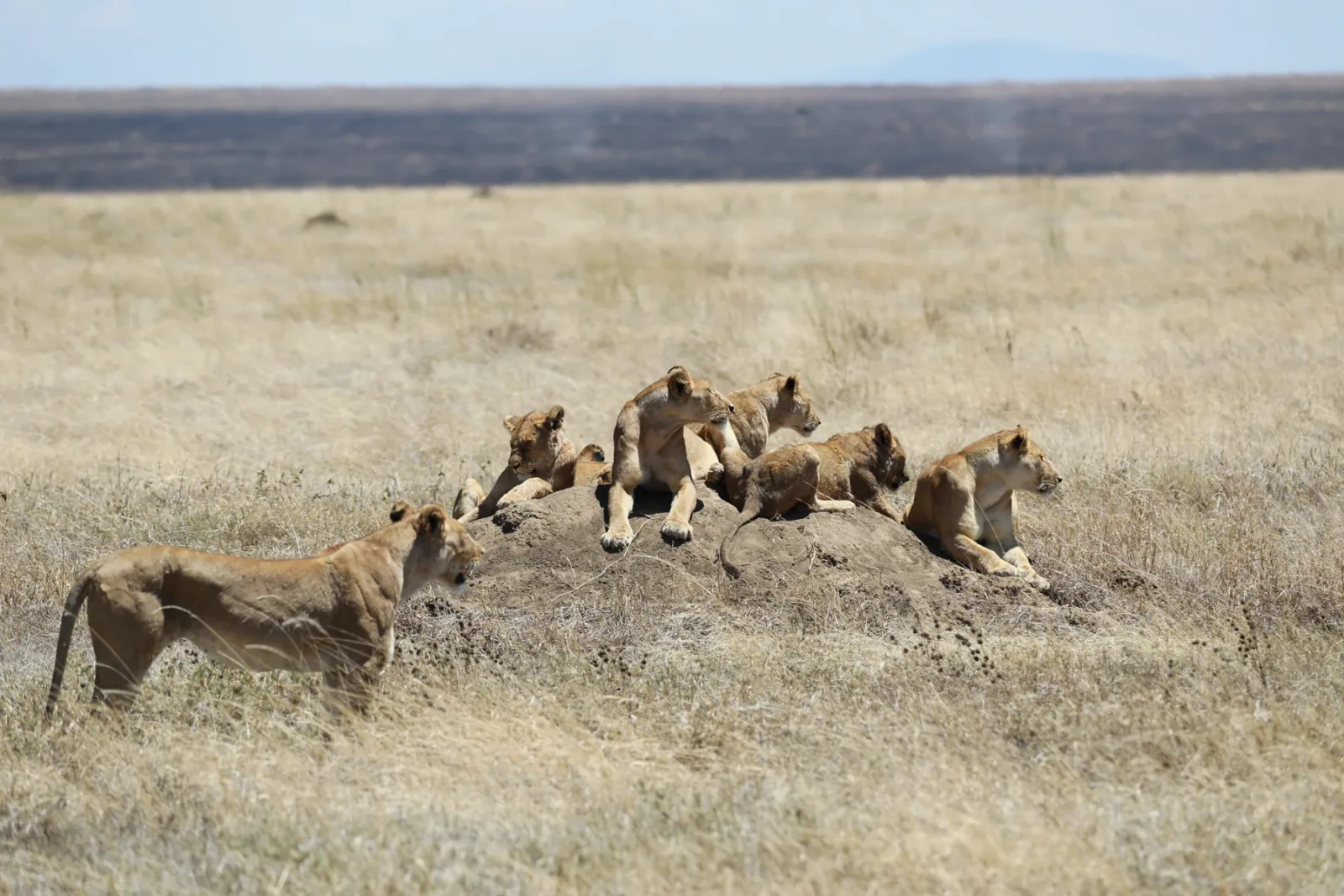
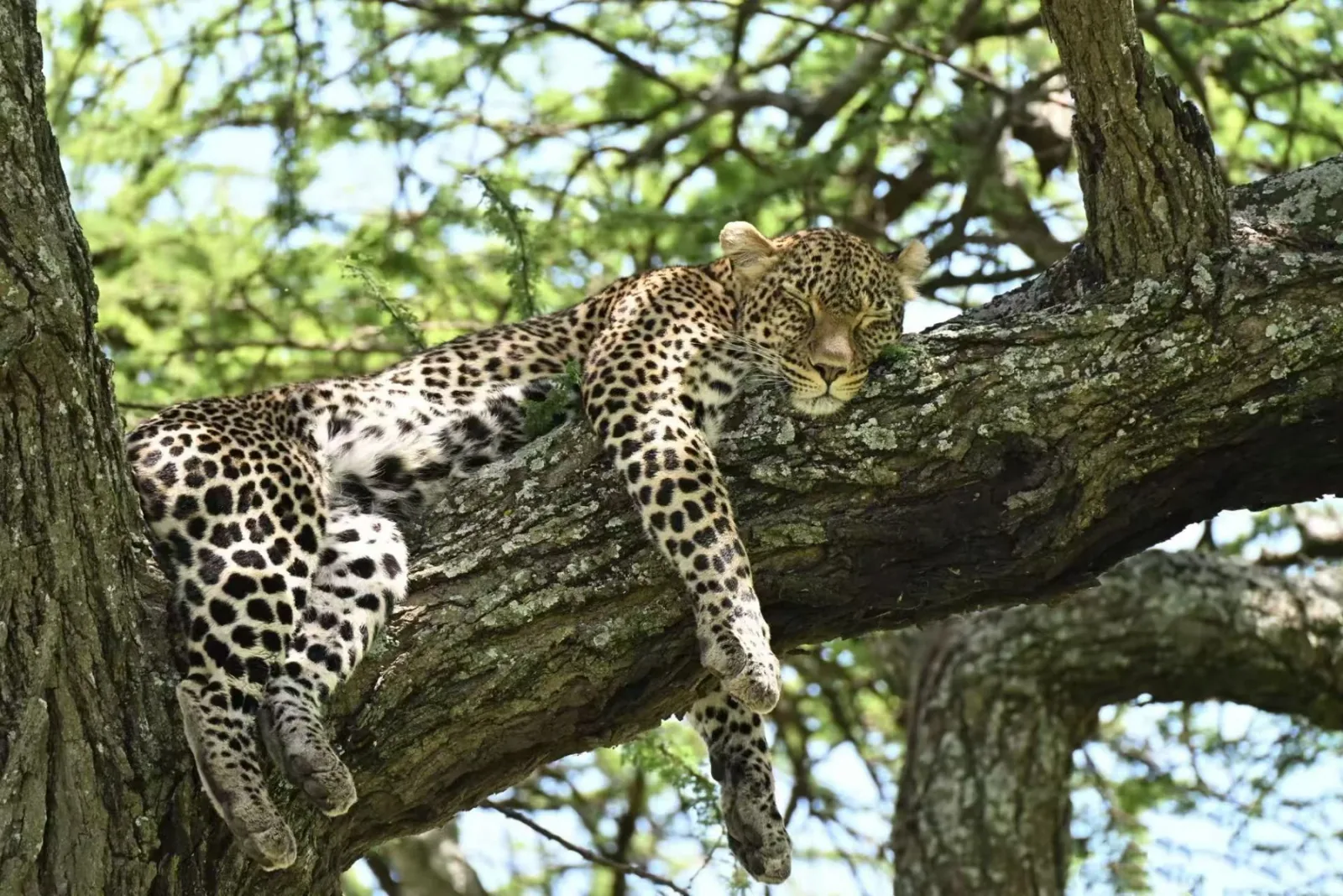
Camp material puts Aurari about 27 kilometres from the Mara River, with the brand's site giving an indicative drive of about half an hour. There are several crossing viewpoints. Which one you drive to depends on where the herds are that day. Use Aurari as a base for northern daytime game drives, with time back in camp for the hills and grassland views.
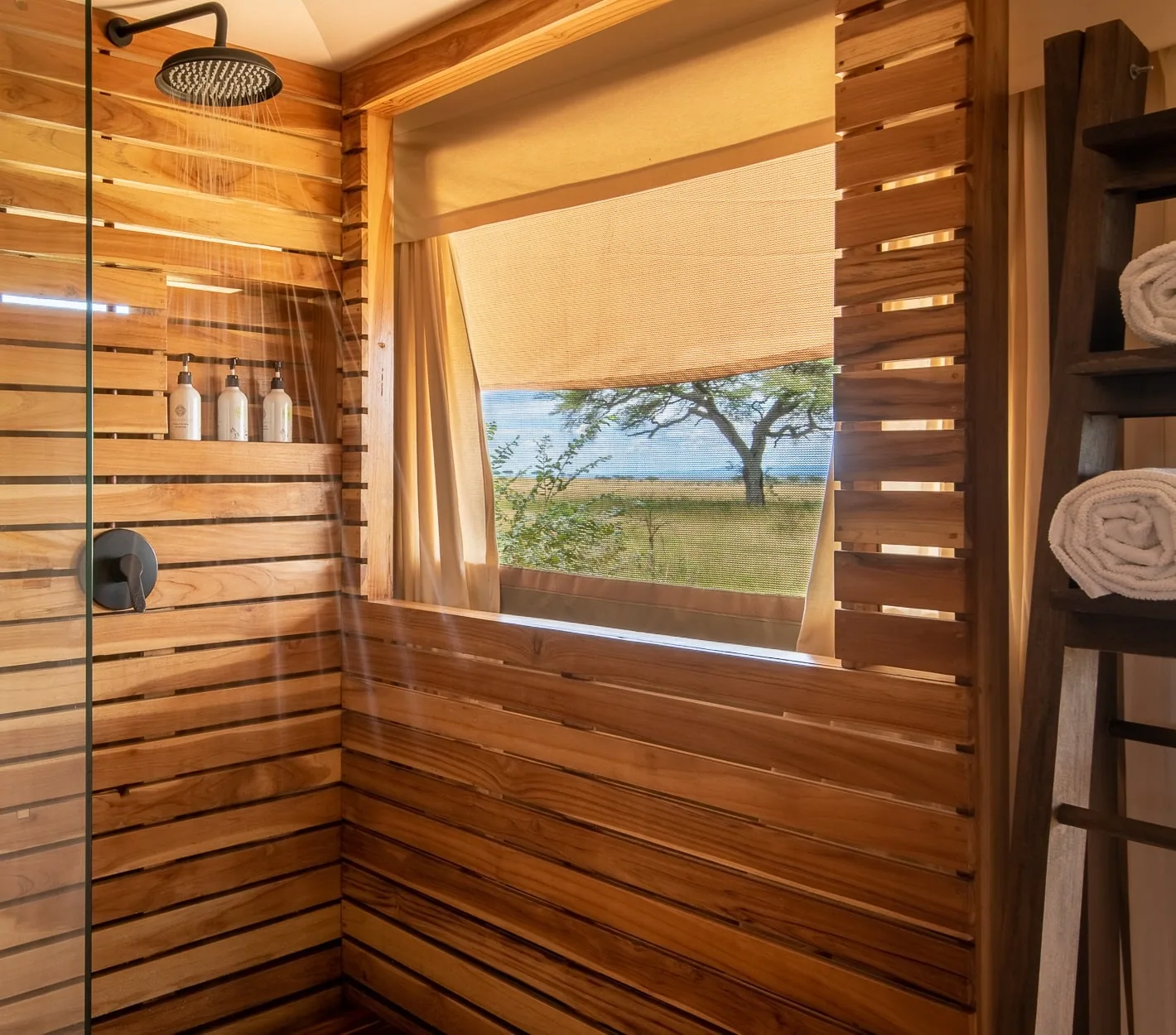
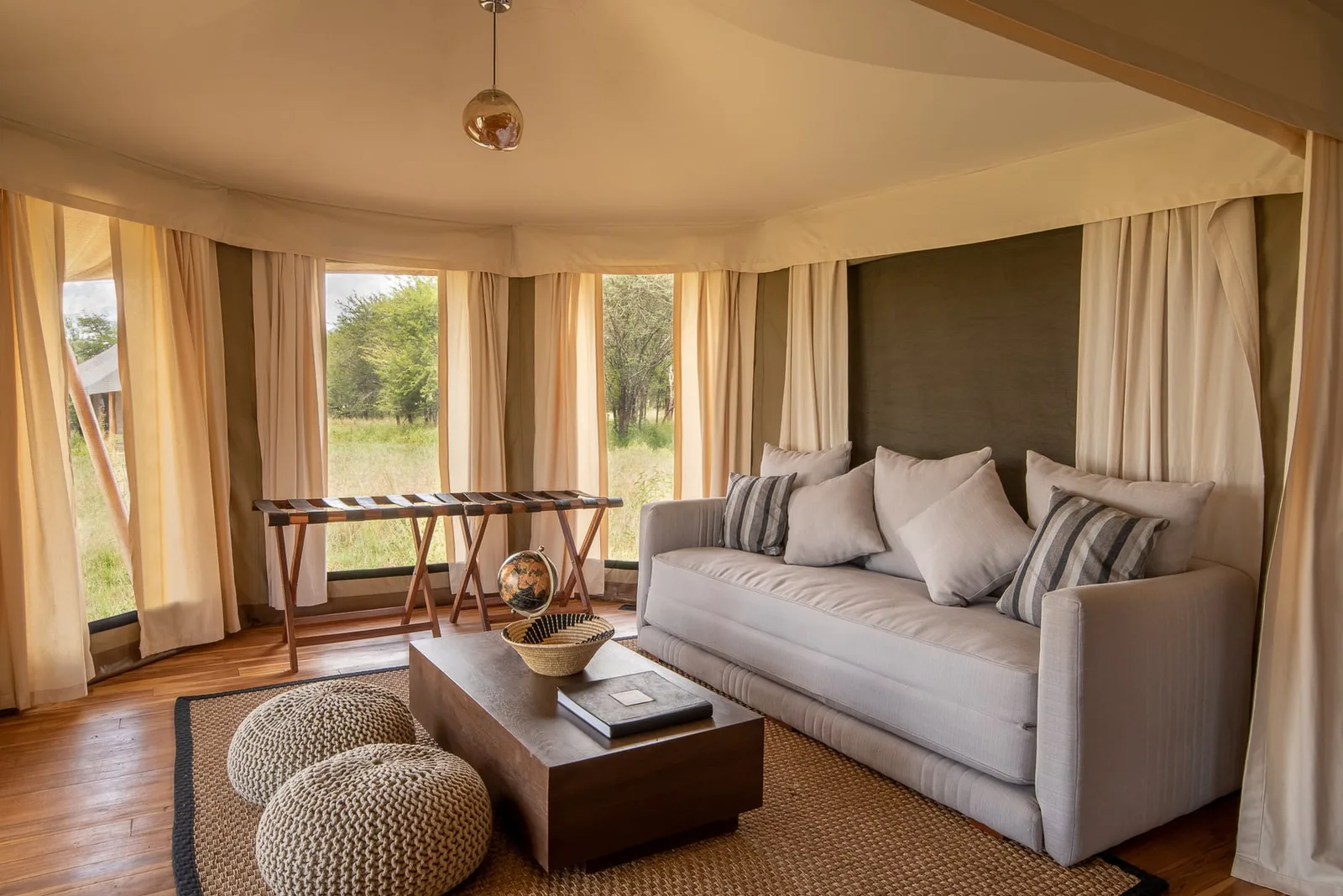
Six tented suites stand on raised platforms. Each has 50 square metres of indoor space, plus a private deck. The bedroom sits between a lounge area and a separate bathroom, with either a king or two large single beds. On family stays, the lounge can take a queen or two small singles behind a dividing curtain. The arrangement shares a bathroom.
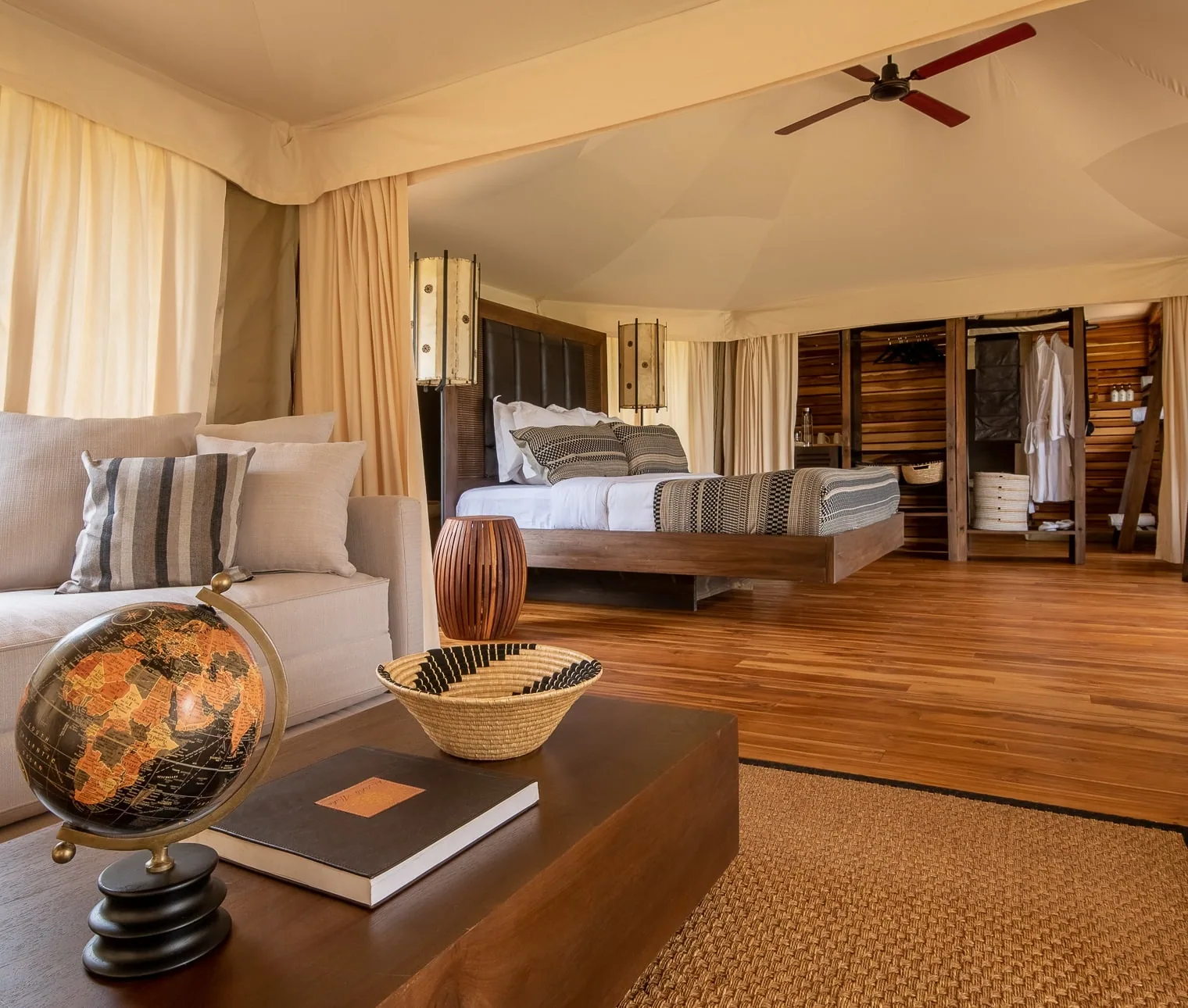
Solar supplies most of the power and hot water, with a quiet backup generator. Camp information lists round-the-clock power and hot water. Suites have fans, screened windows and hot showers. There is no air conditioning, bath or swimming pool. There are charging points and Wi-Fi, and staff can bring tea, coffee and cold drinks to the suite. Enjoy a coffee on the deck in the morning light before heading out.
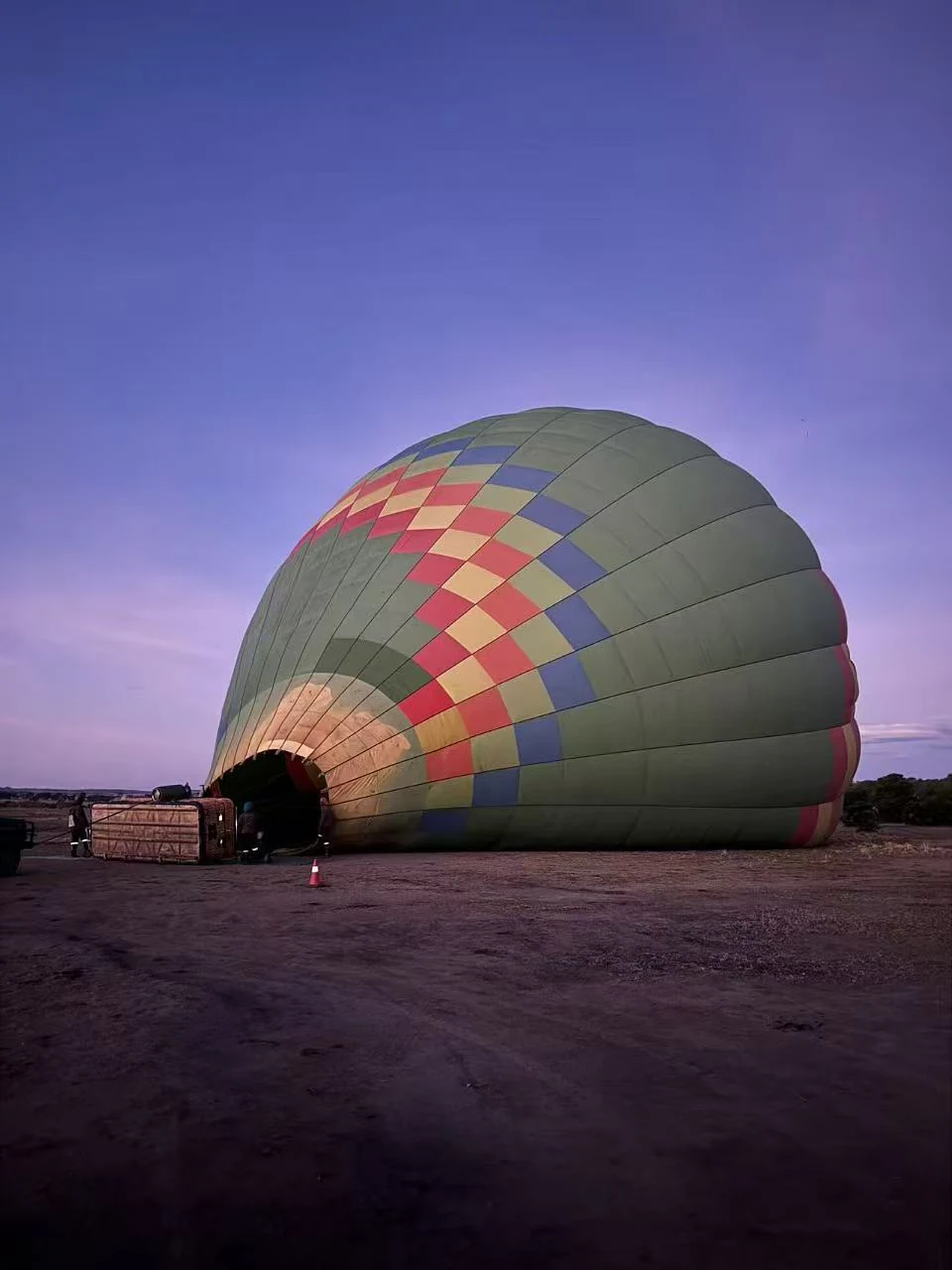
Guides lead daytime game drives and birdwatching. The camp also lists balloon flights, bush meals and sundowners. The granite outcrop at Simba Rock is one setting for a sunset stop. Reserve extras such as ballooning ahead, and check what is included, what it costs and which weather conditions it requires. Aurari welcomes children aged five and over.
Cherero Camp | Open views on the Musabi plains
Cherero also opened in 2019. It is open year-round on the Musabi plains, west of the central Serengeti towards the Western Corridor. Cherero means lovebird in Swahili. The name refers to Fischer's lovebird, native to north-central Tanzania. The camp joined Regenerative Travel and describes itself as its first East African member.
Cherero gives about 90–110 minutes from Seronera airstrip across its camp documents. Grumeti airstrip can be used on request and is roughly 90 minutes away. These are camp estimates and vary with road conditions and stops en route. The open plains give the camp a more expansive outlook than the northern hills.
Six tented suites sit on timber platforms. The site and camp fact sheets list 50 square metres indoors, plus a private deck. The main bedroom takes a king or two large singles, with a sitting area and separate bathroom alongside. Some suites take an extra queen or two singles for triple or family use. The camp assigns an appropriate suite for the size of the family.
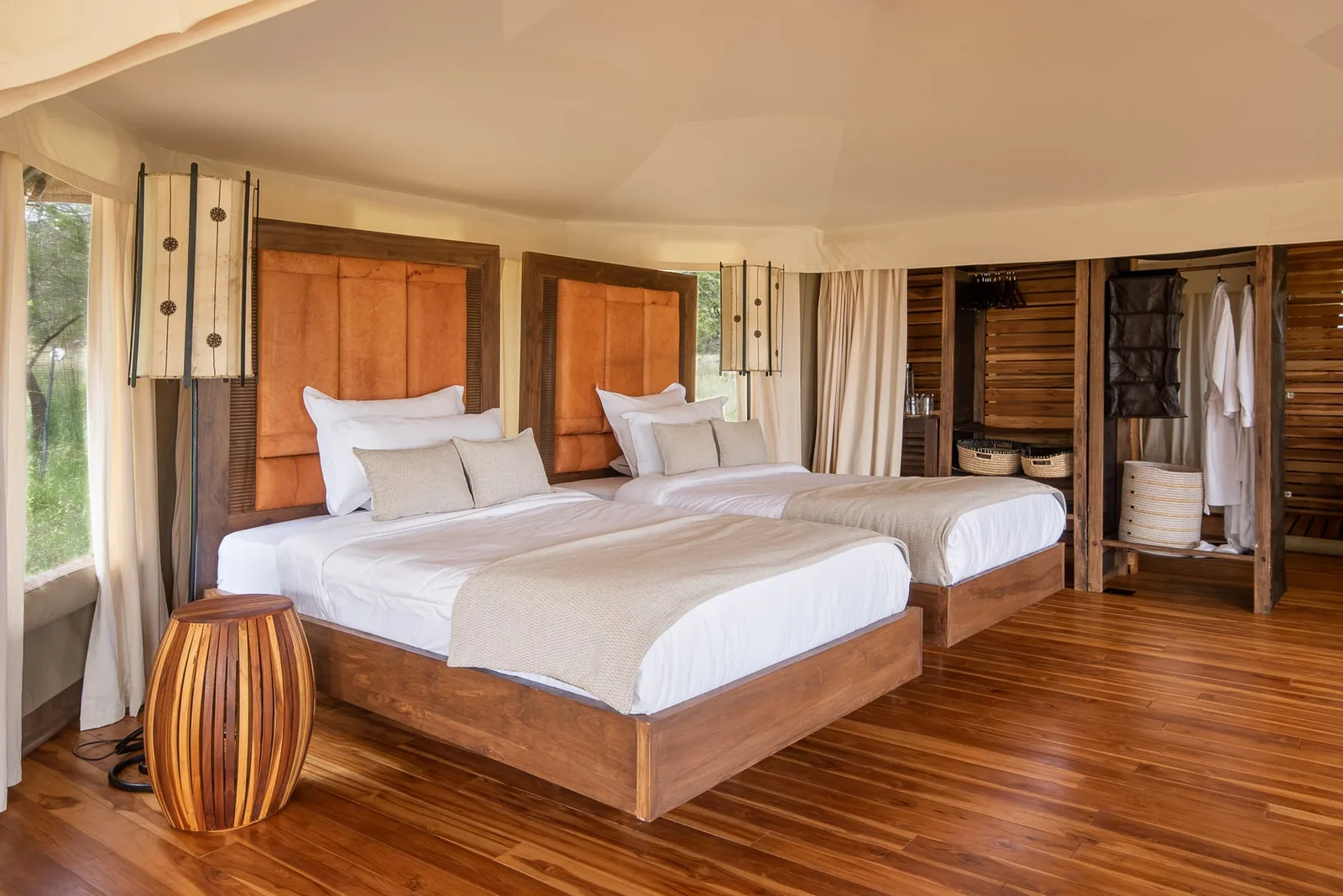
Solar generates electricity and heats water. The camp lists 24-hour power and hot water, universal sockets, USB ports and Wi-Fi. Ceiling fans, insulation and screened windows help with ventilation. There is no air conditioning, pool, bath or in-room mini-fridge. Staff can bring tea, coffee and drinks. Timber floors, fabrics and soft lighting give the room its tented character.
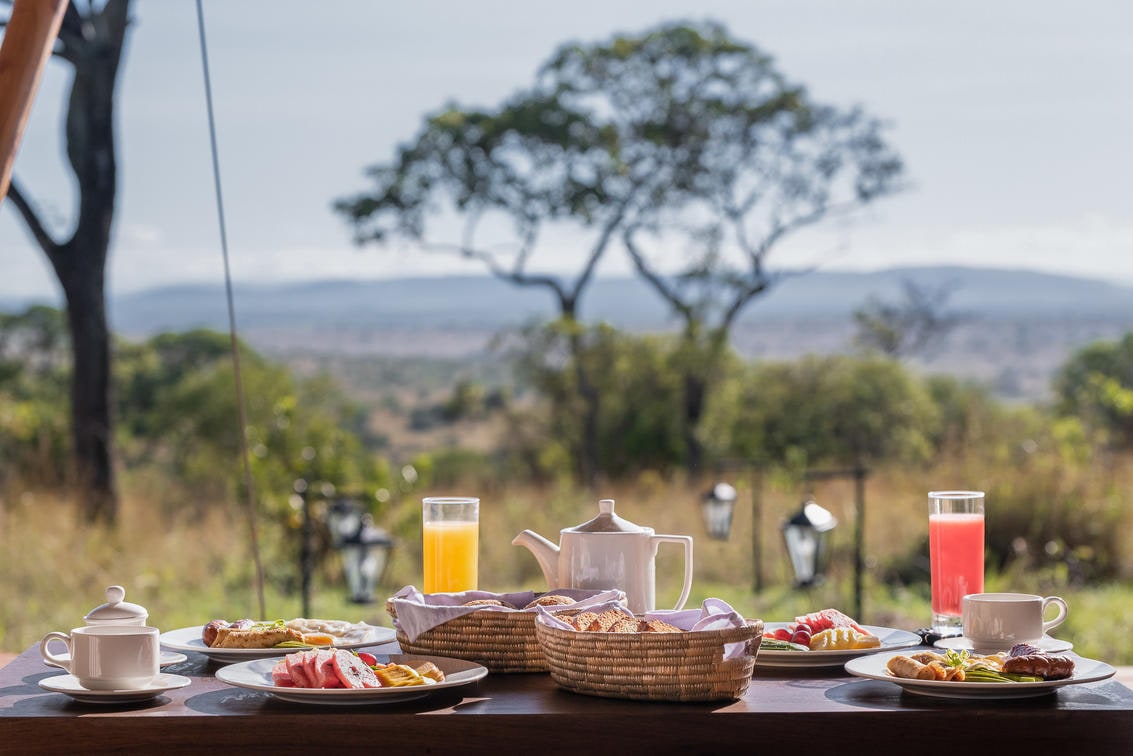
Activities range from sunrise breakfast to daytime game drives, birdwatching, guided walking safaris and sundowners. On foot, the focus shifts to tracks, plants, insects and small animals. Between drives, talk with the team or try bao, a local board game. Cherero also welcomes children aged five and over, and suits travellers who want time for camp life and local culture.
Put both camps on the migration map
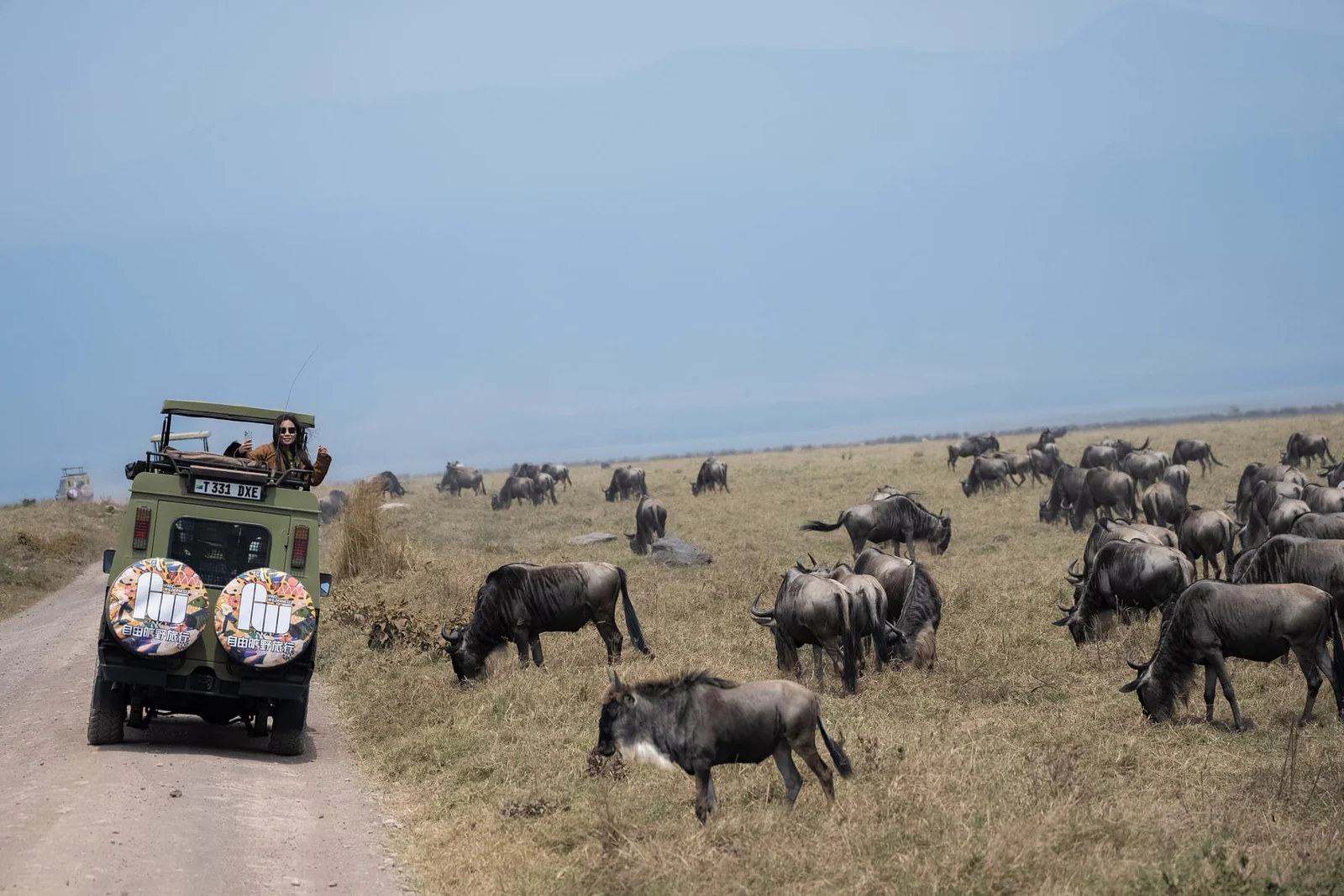
The migration moves through the year. From January to March, herds usually gather on the short-grass plains around Ndutu in the south for calving, then move through the central and western areas. From midyear into early autumn, attention turns to the Mara River in the north. The herds head south again with rain and fresh grass.
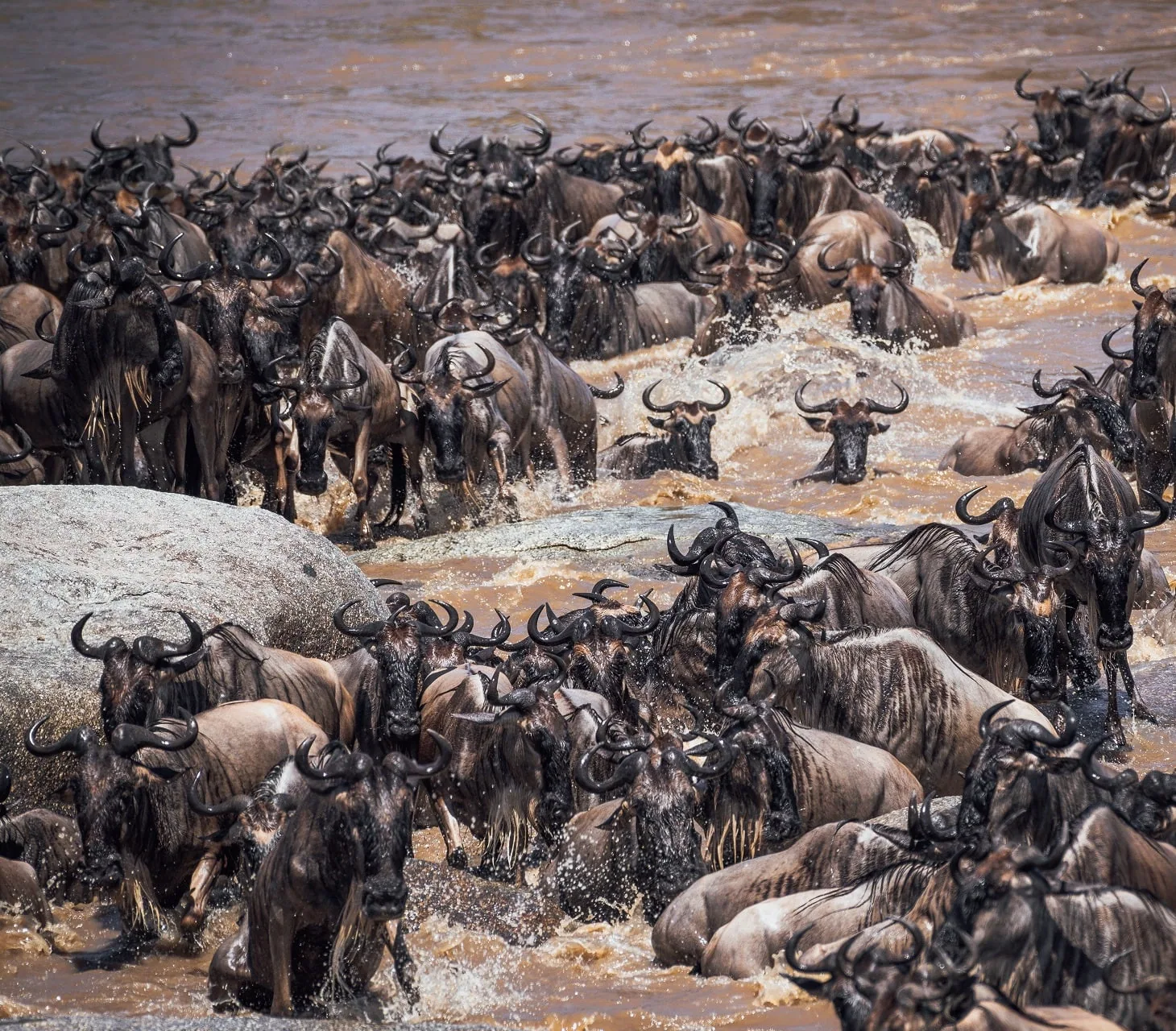
Aurari lists July to October for migration viewing nearby. Cherero lists May to June and September to December. The camps cover different parts of the north and central-west. For the Ndutu calving season, stay in the south. Use the months to choose a region, knowing the herds move with rainfall and grazing.
When Free Wilderness pairs these camps, we match your month, arrival airstrip and target area before arranging rooms and activities. The part of the Serengeti you stay in determines how those pieces fit together.
Cover image · Kantabile Afrika
Interested in Africa?
Contact our dedicated travel consultant for a free one-on-one consultation and a bespoke African safari itinerary.
Plan My Trip