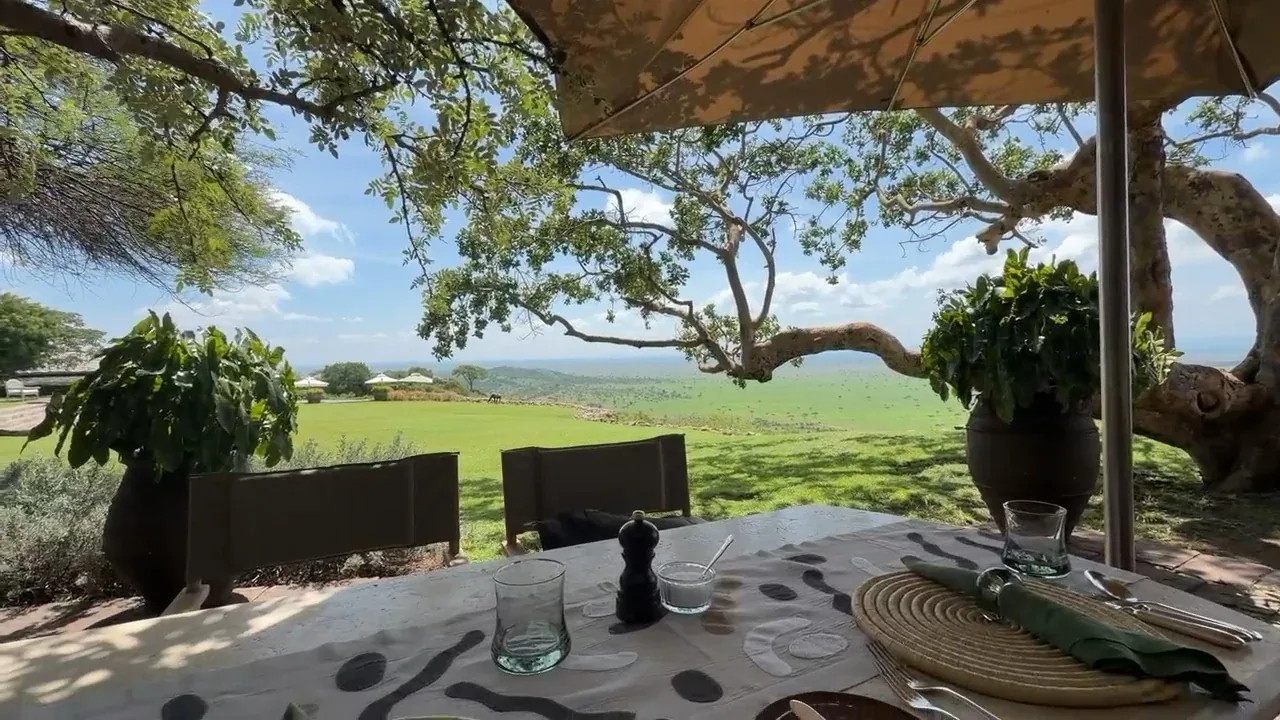
Cover photograph · Erasmus Kamugisha · CC BY-SA 4.0
At a Tanzanian market, ask the vendor which unfamiliar fruit is perfectly ripe today. Cut open a passion fruit and you get a fragrant, tart pulp. Pull apart a jackfruit and it yields thick, fleshy pods. In Zanzibar, passion fruit might turn up again as a sweet-sour sauce beside grilled prawns. From fruit stalls in Kariakoo to Zanzibar's spice farms, there is always a reason to stop for a taste.
Start in Kariakoo, Dar es Salaam
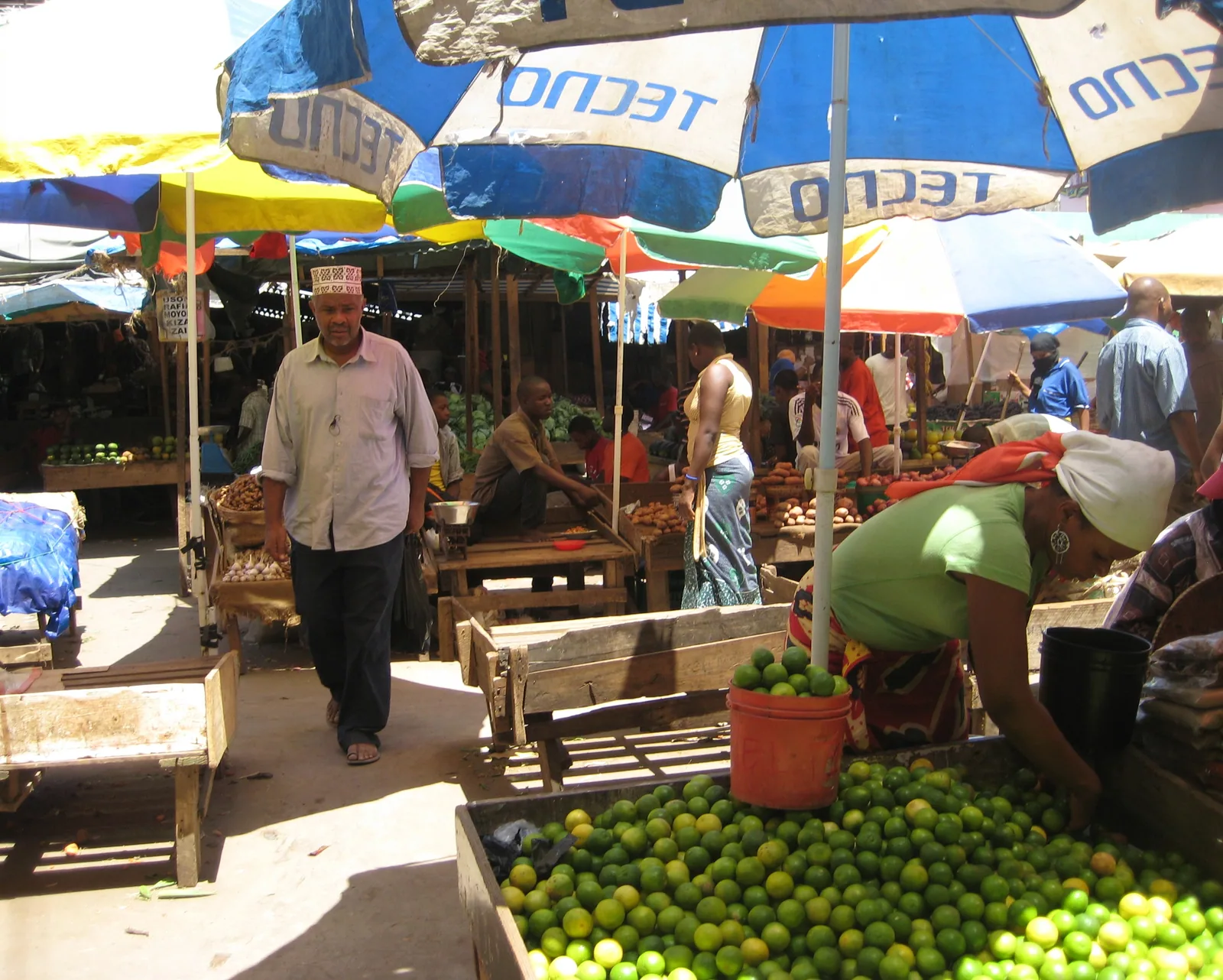
Dar es Salaam is Tanzania's port and commercial hub. Kariakoo in the city centre is one of the main places to shop. Its central market reopened in February 2026. Start with the fruit stalls. For sweetness, ask for a ripe mango, pineapple or jackfruit. For something tart, halve a passion fruit and scoop out the pulp. If you are travelling together, buy a piece or two each and share. That is easier than carrying a bagful around town.
For a look at the Indian Ocean, leave Coco Beach in Oyster Bay until evening. Try mishkaki, marinated meat skewers cooked over a grill. Beef is a common choice. Have them with a ginger soda and a view of the sea.

A few fruits to look for beyond mangoes
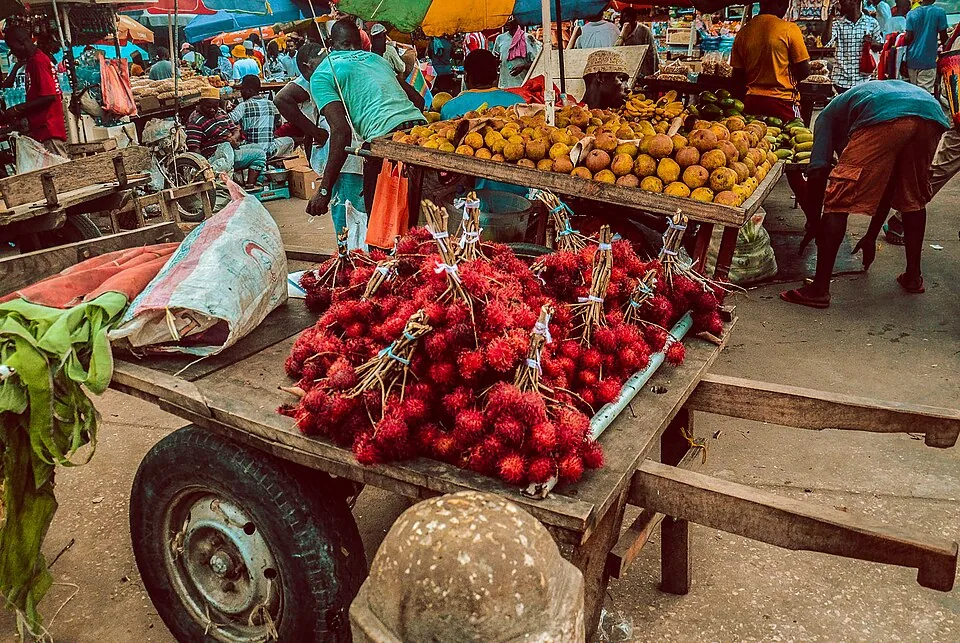
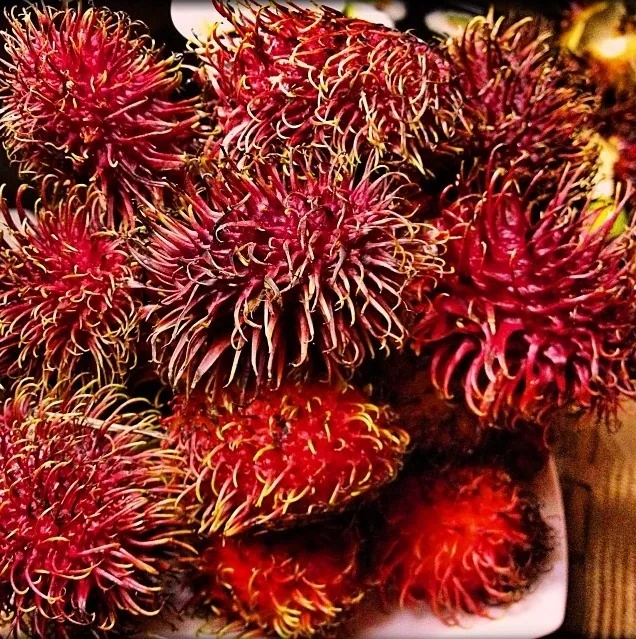
In Zanzibar, look for rambutan's hairy skin. Peel it back for juicy, sweet white flesh around a large seed. Some growers on Unguja, the main island, grow rambutan. Ask for it in the Stone Town market. Passion fruit and jackfruit also feature on local spice-farm tasting lists. What you can try depends on what is ripe that day.
An agricultural census in Morogoro recorded pineapple, jackfruit, mango and orange cultivation. Local market researchers also recorded baobab fruit. Known as ubuyu, it has a hard shell and dry, slightly tart flesh, quite different in texture from a juicy tropical fruit. The pulp goes into drinks and, according to local surveys, into sweets. If your itinerary takes you through Morogoro, ask at a town market which fruits and ubuyu snacks are available that day.
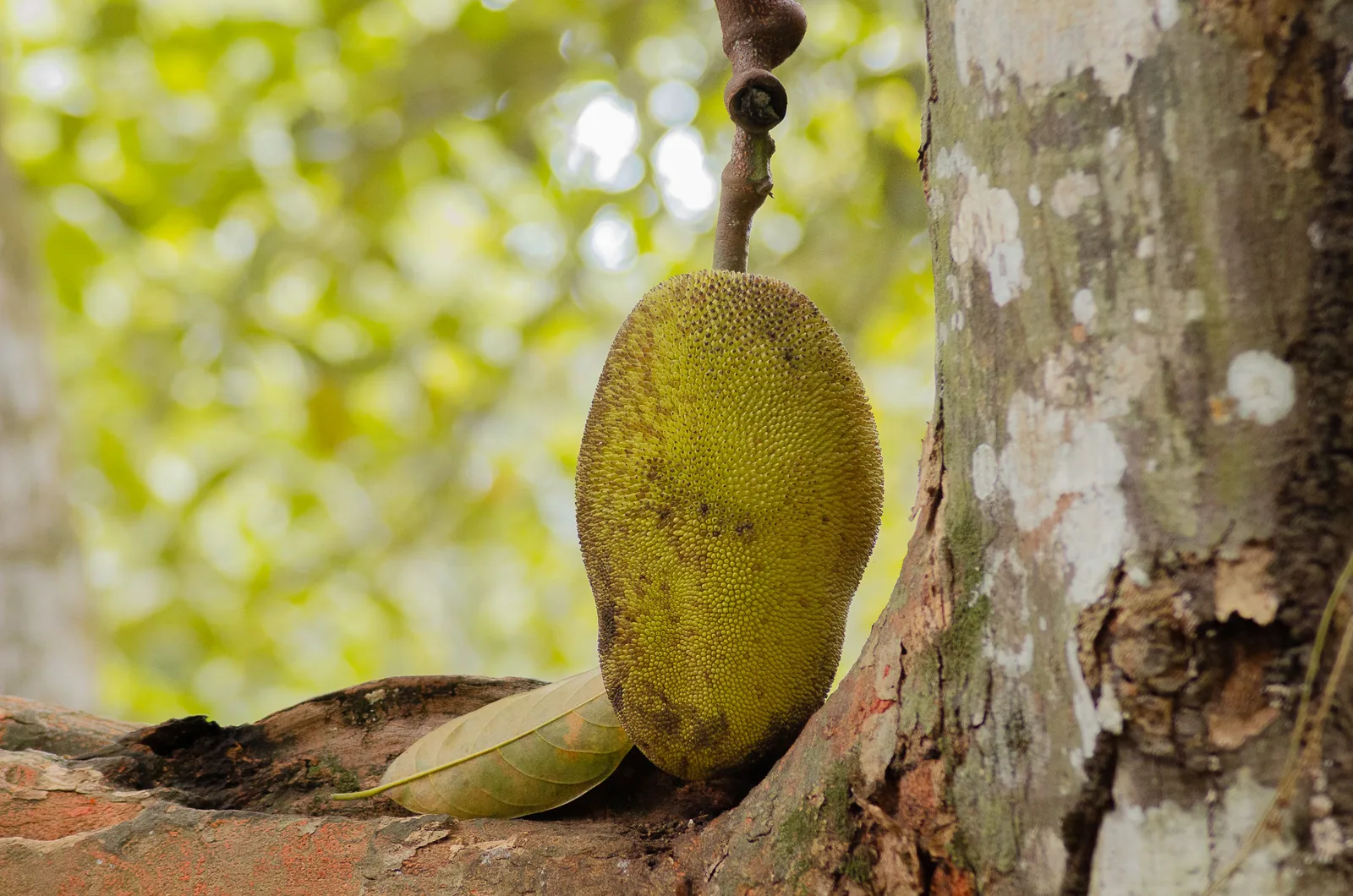
Kiwano, also called horned melon, has short spikes and green, jelly-like pulp around its seeds. There are bitter and edible types. Buy an edible variety from a regular food vendor if you want to try it.
In Zanzibar, visit a spice farm and taste the cooking on the same day
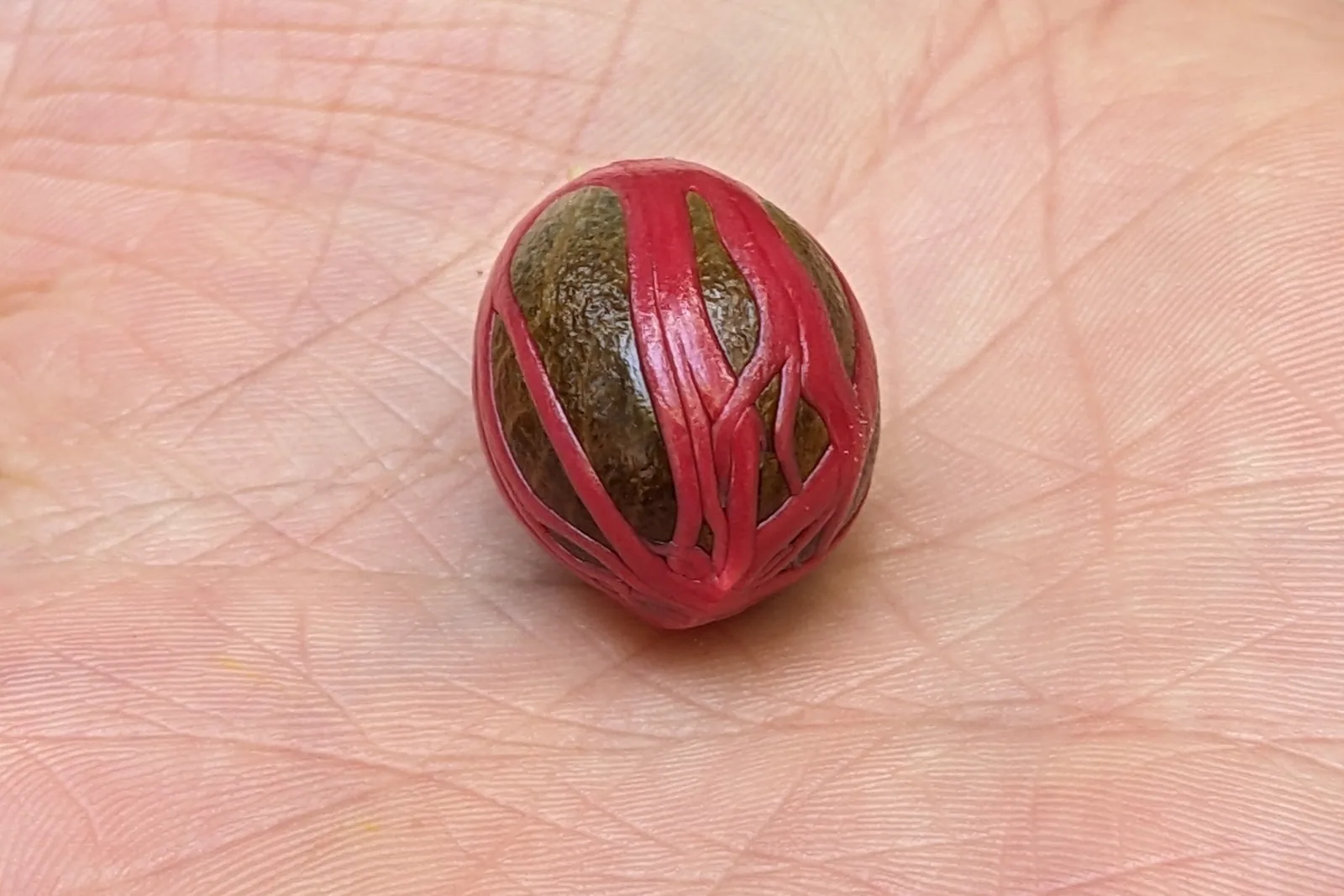
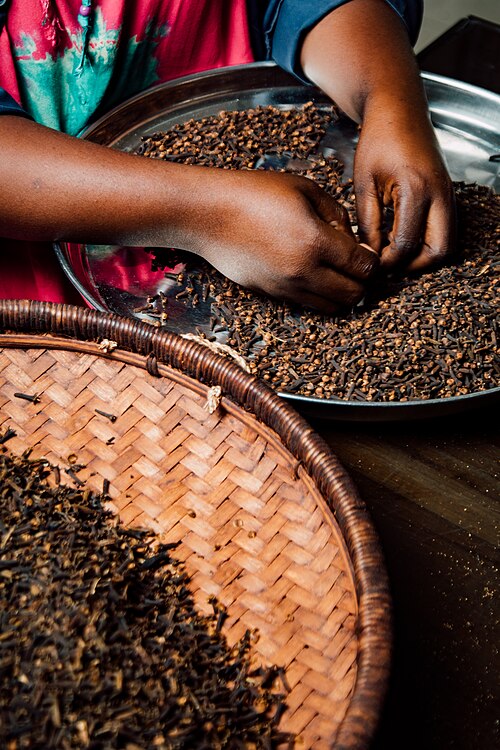
Start at Darajani Market in Stone Town, where fish, produce and spices are sold together. To see where the spices in those paper packets grow, head to a spice farm. Cloves are flower buds, dried before they reach the kitchen. Farms such as Zito Spice Farm offer guided visits and fruit tastings. Smell the spices fresh, then taste a spoonful of pilau. You may recognise the aromas in the rice.
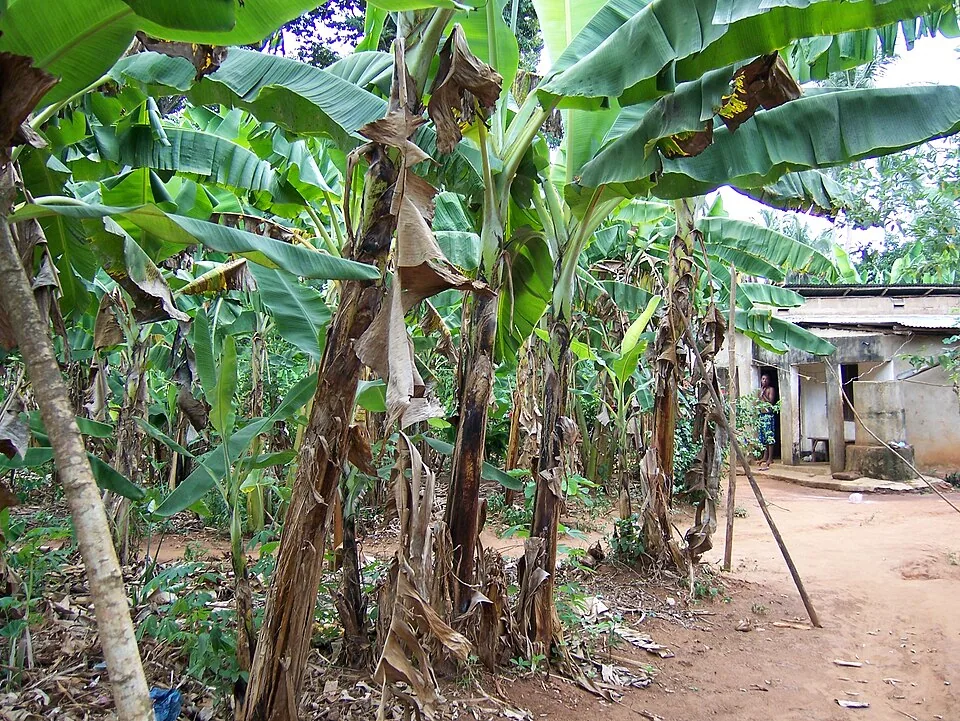
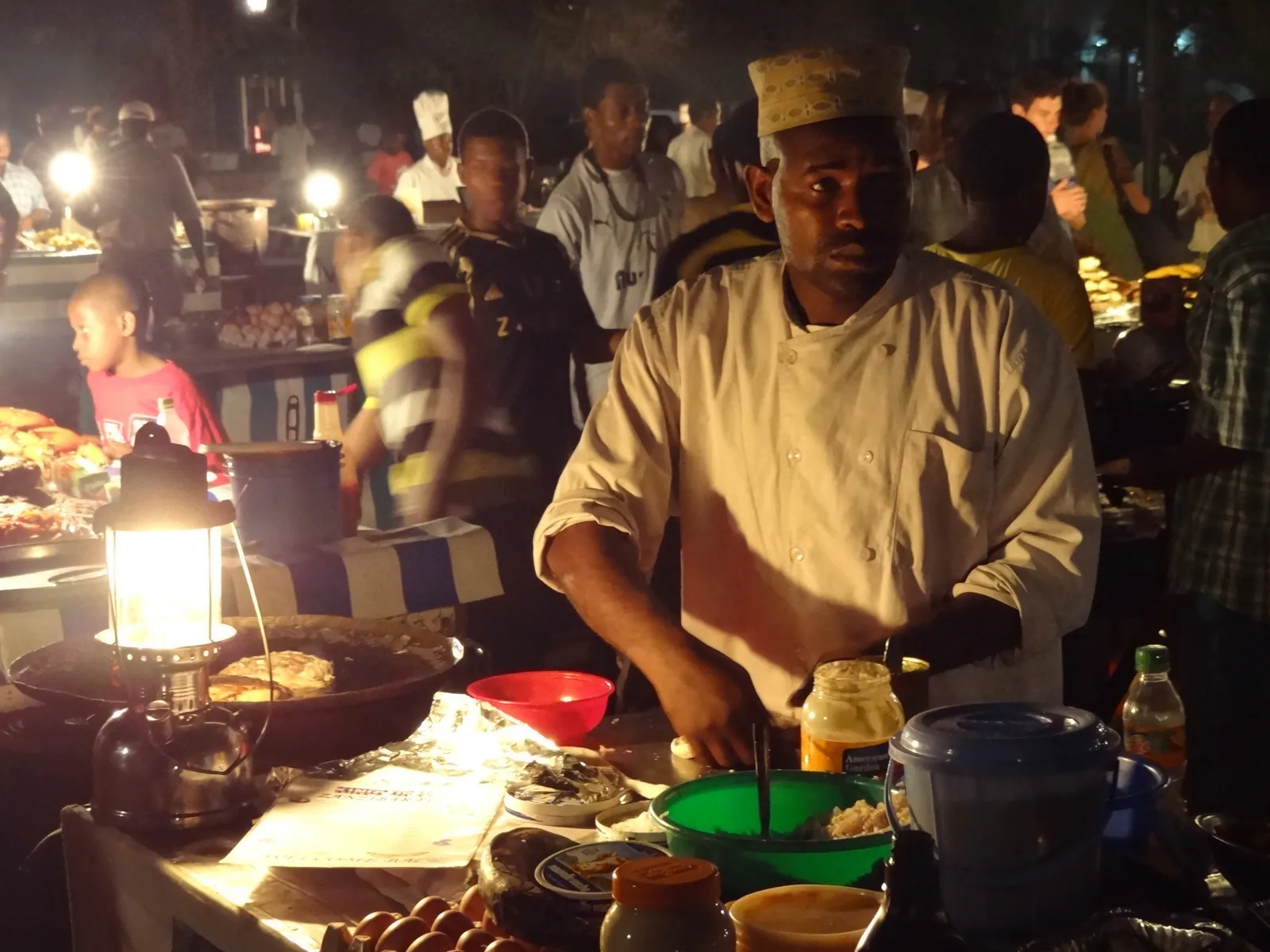
At dusk, head to the Forodhani waterfront and see what is coming off the grills. Share crisp triangular samosas and a portion of charcoal-grilled skewers. For a sit-down meal, look for fish or octopus cooked in coconut milk, or a stew with coconut rice. Bananas appear as crisp chips and as ripe bananas simmered with coconut milk and cinnamon, listed as ndizi mbivu za nazi.
Fresh juice and local sodas
Dar es Salaam restaurants often list passion fruit, orange and pineapple juices. For bottled soda, look for Stoney Tangawizi, which has a spicy ginger bite, Krest Bitter Lemon, which is slightly bitter, or the fruit-flavoured Fanta Passion. The latter two are flavoured sodas. If you want fresh juice, ask what was made that day.
What to bring home
Ask if a market fruit is sold by the piece or by weight, and try one or two before buying more. Choose whole fruit you can wash with clean water and peel yourself. Eat cooked food while it is hot. Tell the vendor about halal requirements, foods you avoid or allergies, and ask them to confirm ingredients.
For gifts in Stone Town, look for sealed whole cloves, cashews and Tanzanian coffee. Whole cloves keep for stews and pilau, and you can grind them as needed. Check whether coffee is sold as whole beans, ground or instant. For Arabica from Kilimanjaro, look at the origin and roast date. The local brand Tanica Café sells both instant and roasted coffee products, so read the label.
Free Wilderness can put the Stone Town market and a spice farm on the same day. If you like to cook, keep half a day to visit a market with a local and learn to make coconut rice. When you have dinner by the beach and catch the smell of coconut again, you will know how it got there.
Interested in Africa?
Contact our dedicated travel consultant for a free one-on-one consultation and a bespoke African safari itinerary.
Plan My Trip