On the slopes of Kilimanjaro, a Chagga family garden can have several layers. A tall canopy shades bananas; coffee and vegetables grow lower down. In Ngorongoro, fences, water sources and grazing lands trace out a different daily routine. If your first Tanzania trip has time beyond safari, start with a farm, a homestead or a museum. Northern Tanzania, Lake Victoria, the centre and the southern highlands each offer a place to begin.
Maasai: herding and home life in Ngorongoro
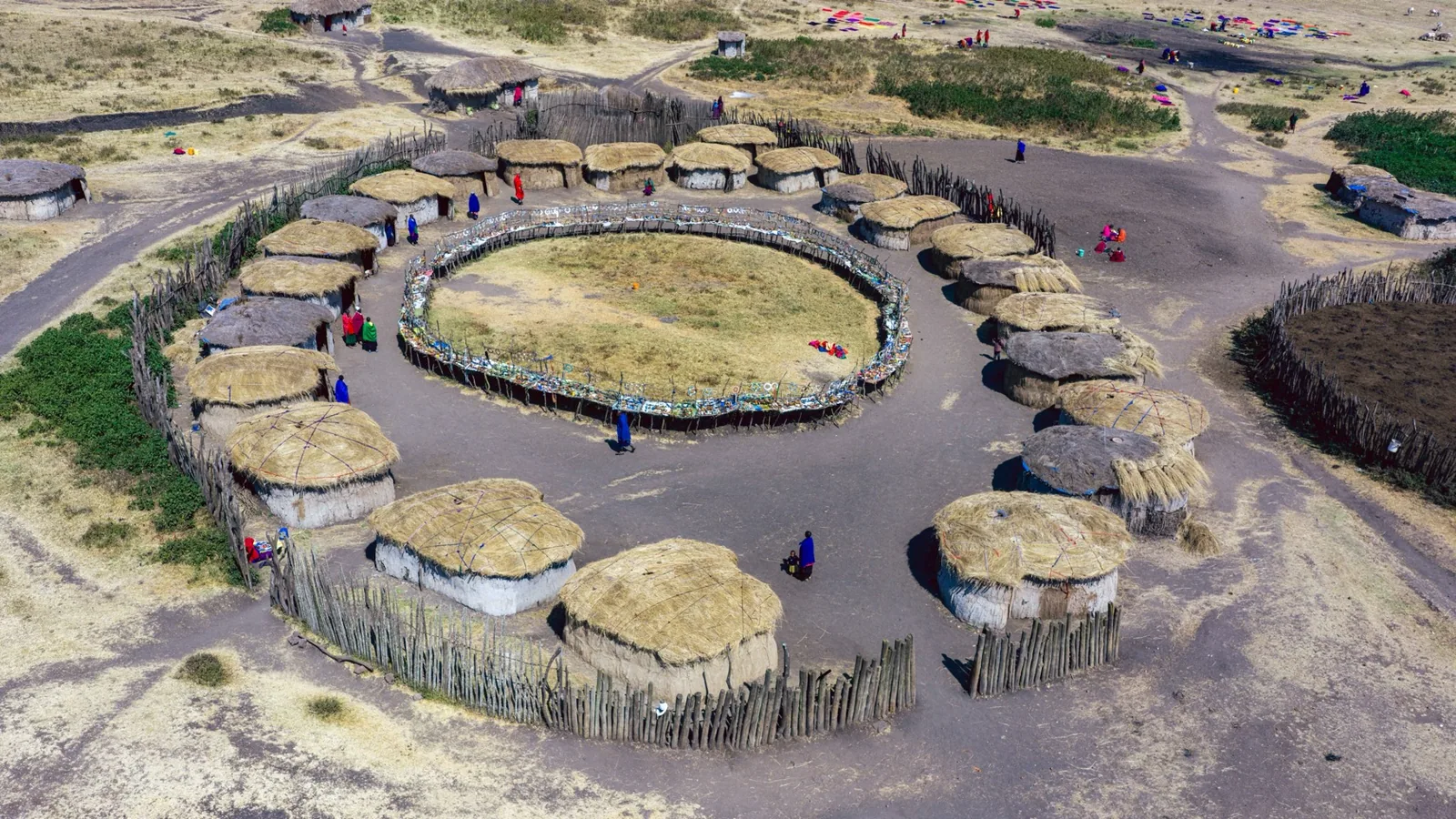
Maasai communities live across northern Tanzania, including Ngorongoro, Monduli and Simanjiro. Cattle play an important role in many Maasai households. At a traditional boma, look at how homes and fences are arranged, then ask where the herds drink and where they go when it is dry. Woven shukas can be red, blue or striped.
The Ngorongoro Conservation Area has cultural bomas open to visitors. Seneto Cultural Boma, listed by the geopark, has welcomed visitors since 1992. If you want to learn about beadwork or house building, ask hosts what they will cover that day. Ask people before photographing them.
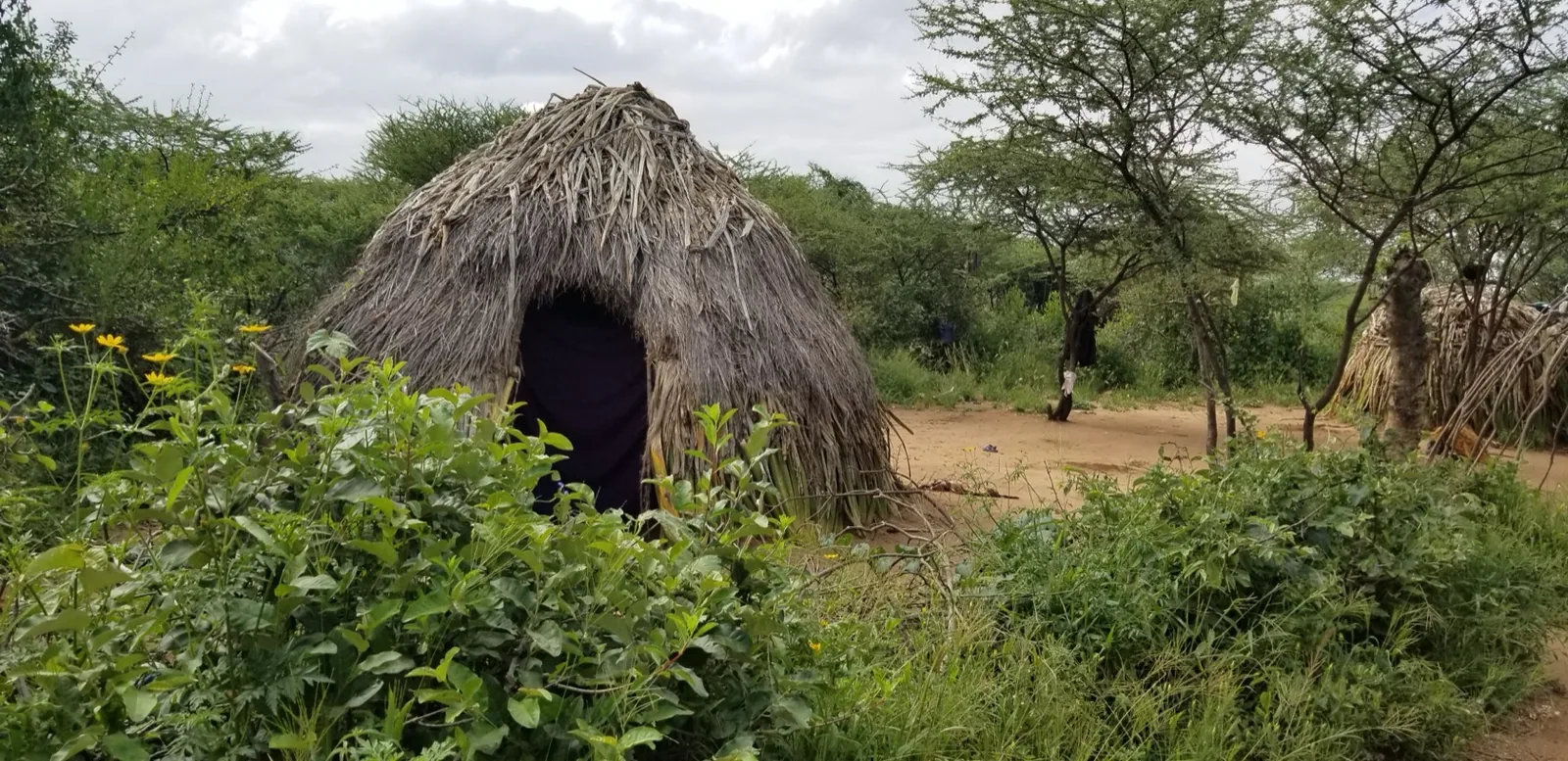
Hadza (Hadzabe): foraging knowledge around Lake Eyasi
Hadza communities live around Lake Eyasi and the Yaeda Valley. Some families maintain hunting and gathering traditions and know where to find honey, baobab fruit and edible tubers. Hadzane has click consonants, produced by making and releasing contact between the tongue and the mouth. Communities also plan for the long-term future of the land. In 2011, the Hadza community in Yaeda Valley obtained a collective certificate of customary right of occupancy, strengthening protection for the land that supports these livelihoods.
For an introduction to plant identification and seasonal foraging, look for the community-managed Yaeda Valley visits. Dorobo Safaris says the community determines visitor and fee arrangements and most visit income goes to the community account. From Karatu, you can also arrange a visit around Lake Eyasi in advance. Leave time for conversation and walking, and let hosts decide what to do that day.
Chagga: see what grows above the coffee
The Chagga homeland lies on the slopes of Kilimanjaro. Shimbwe Juu in rural Moshi retains family agroforestry gardens known as Kihamba. The UN Food and Agriculture Organization recognised the local system as a Globally Important Agricultural Heritage System in 2011. Tall trees and bananas shade coffee, with vegetables and climbers below; livestock and irrigation channels also have their places.
From Moshi, visit family-run farms in nearby Materuni. Before sitting down for coffee, ask how water reaches the garden and where the different trees are planted. If irrigation is your main interest, local programmes run village and river-valley walks on Kilimanjaro’s southern slopes, explaining traditional Mfereji channels as you go.
Iraqw: highland homesteads near Karatu
Iraqw communities are concentrated in the Mbulu Highlands between Lake Manyara and Lake Eyasi, and many also live around Karatu. Iraqw belongs to the Southern Cushitic branch. Traditional livelihoods combine cultivation and livestock keeping. The Ngorongoro geopark describes two traditional house forms: one built into a slope under an earth roof and a round dwelling with mud walls and a thatched roof.
If you are staying in Karatu, arrange a guided household visit in nearby Tloma village. Gibb’s Farm lists conversation with a family and traditional pottery among the activities. Ask at booking if the household you will visit still has an earth-roofed dwelling if that is what you specifically want to see.
Sukuma: visit a local museum near Lake Victoria
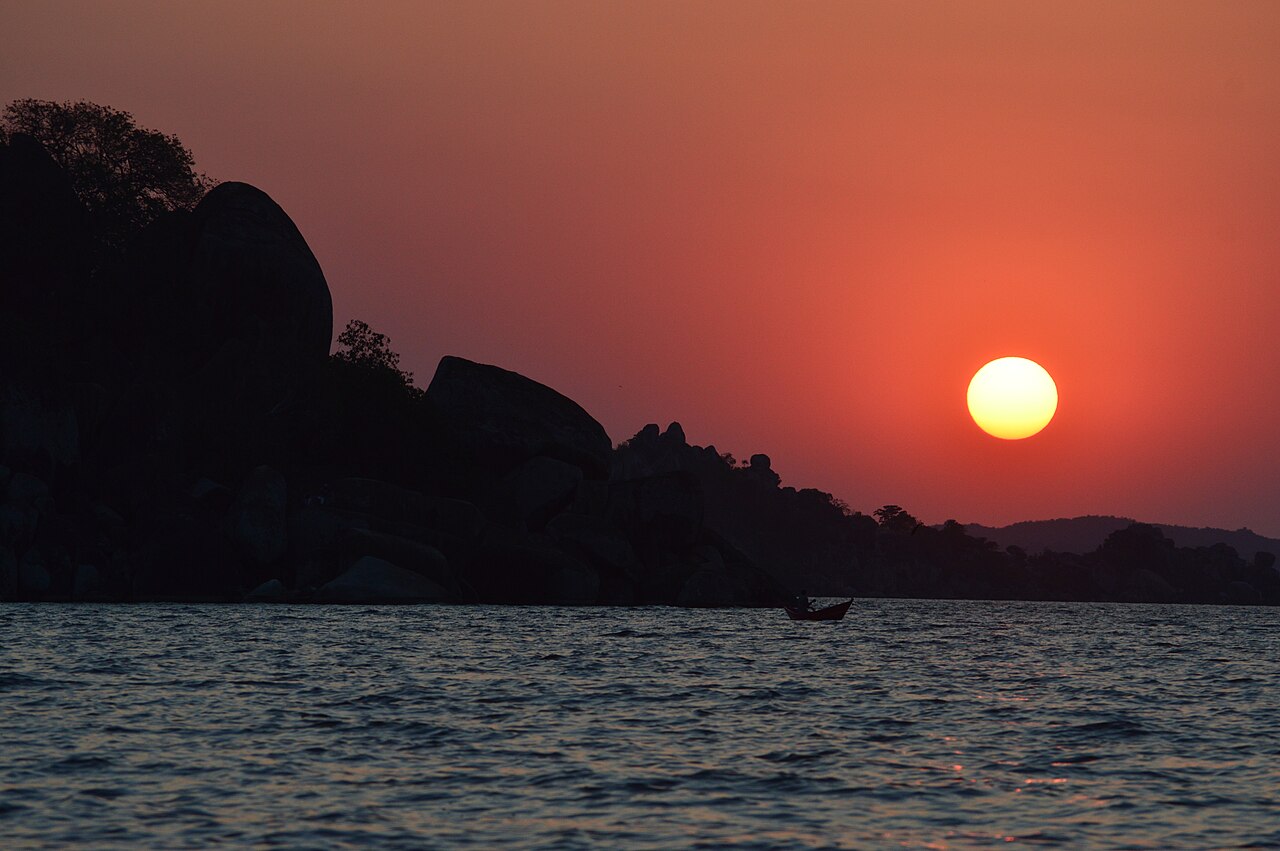
Sukuma culture spans Mwanza on Lake Victoria’s southern shore, Shinyanga farther south and parts of Mara. Traditional livelihoods include both farming and herding. In the past, farmers formed groups to help in one another’s fields; blacksmiths and chiefs had distinct roles. At the Bujora Cultural Centre in Kisesa near Mwanza, the Sukuma Museum displays a reconstructed homestead and blacksmith’s house, with chiefs’ seats and ceremonial drums in another building.
If you are already in Mwanza, give the museum a morning. Inside the blacksmith’s house, look for cowhide bellows and finished hoes. The tools and the chiefs’ drums help connect everyday farm life to older forms of village organisation. Ask the museum directly about public performances before you go.
Sandawe: hear the stories behind the Kondoa rock paintings
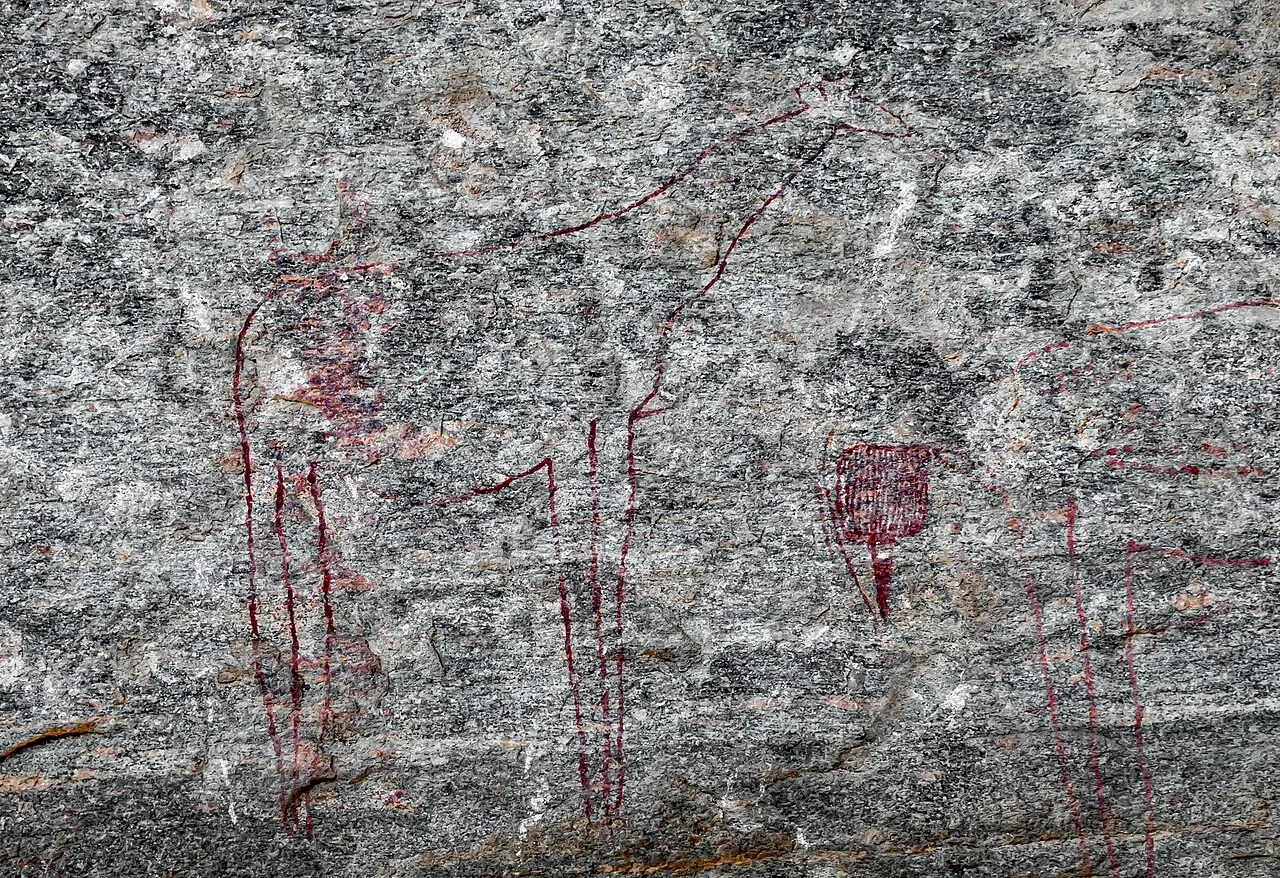
Sandawe communities are concentrated around Kondoa and Chemba in central Tanzania’s Dodoma region. Their language has click consonants. Field research describes a shift over time from hunting and gathering to cultivation and livestock keeping; millet, sorghum and maize appear in accounts of different households’ crops.
The Kondoa Rock-Art Sites, inscribed on the World Heritage List in 2006, are a visit you can plan. Kolo, north of Kondoa town, is an access point. Some paintings relate to Sandawe history and continuing rituals, while other works were left by different peoples. Ask a local guide to explain their scenes, dates and settings. Follow the site’s access arrangements on the day and do not touch the paintings.
Hehe: from Kalenga into Iringa’s modern history
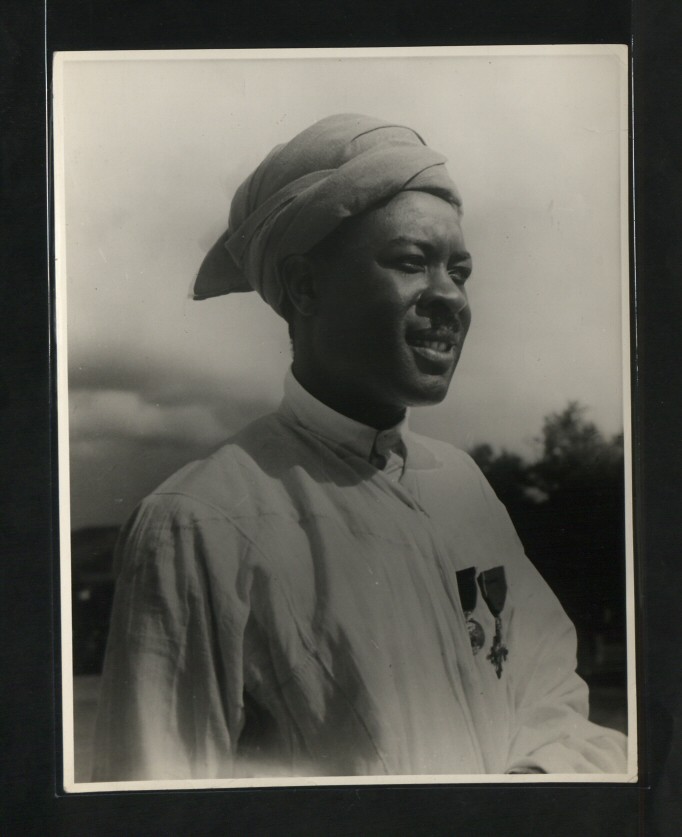
Hehe history is closely tied to the Iringa Highlands of south-central Tanzania. In 1891, Hehe forces led by Mkwawa defeated a German colonial detachment at Lugalo. German troops attacked their stronghold at Kalenga in 1894, and resistance continued until 1898.
In Iringa, visit the Mkwawa Memorial Museum at Kalenga and then the Iringa Boma Regional Museum in town. The former stands at the old stronghold and displays objects including spears and shields. The latter places that history in the everyday life and changing towns of the southern highlands. If driving from Iringa to Ruaha National Park, give both sites the day before entering the park so neither the drive nor the exhibits feel rushed.
Where to add a night to your itinerary
On a first northern circuit, visit a Chagga farm from Moshi and continue to Karatu. Tloma works well during a Karatu stay if you want to learn about Iraqw life. For Lake Eyasi, add a night and put the lakeside community visit and the daytime drive on the Ngorongoro Crater floor on separate days. Lake Victoria, Kondoa and Iringa respectively fit trips that already include Mwanza, a drive through central Tanzania or Ruaha.
June to October is usually drier and easier for village roads and walks. During the rains, check local conditions before visiting the Kondoa rock art or villages below the mountains. When arranging a home visit, clarify the host, time and fees. Let hosts say whether they are comfortable before entering private spaces or taking photographs.
Cover image · Tasha~visual · CC BY-SA 4.0
Interested in Africa?
Contact our dedicated travel consultant for a free one-on-one consultation and a bespoke African safari itinerary.
Plan My Trip