When is the best time for your first trip to Antarctica? What is the difference between a 100-passenger, 200-passenger, and 500-passenger Antarctic cruise? How far in advance should you book your ticket? Will you get seasick? And how should you choose between the Antarctic Peninsula, the Antarctic Circle, and the Antarctic three islands? Drawing on real Antarctic travel planning experience, Free Wilderness has organized the five most common questions for first-time Antarctic travelers, covering travel season, ship capacity, booking time, and different Antarctic routes.
Antarctica is one of the world's higher-barrier travel destinations. For first-time travelers, you can often feel overwhelmed by all the jargon before you even begin choosing a ship. Below, Free Wilderness walks through the five most common questions to clearly explain the essentials of your first Antarctic journey.
1. When is the best time to visit Antarctica?
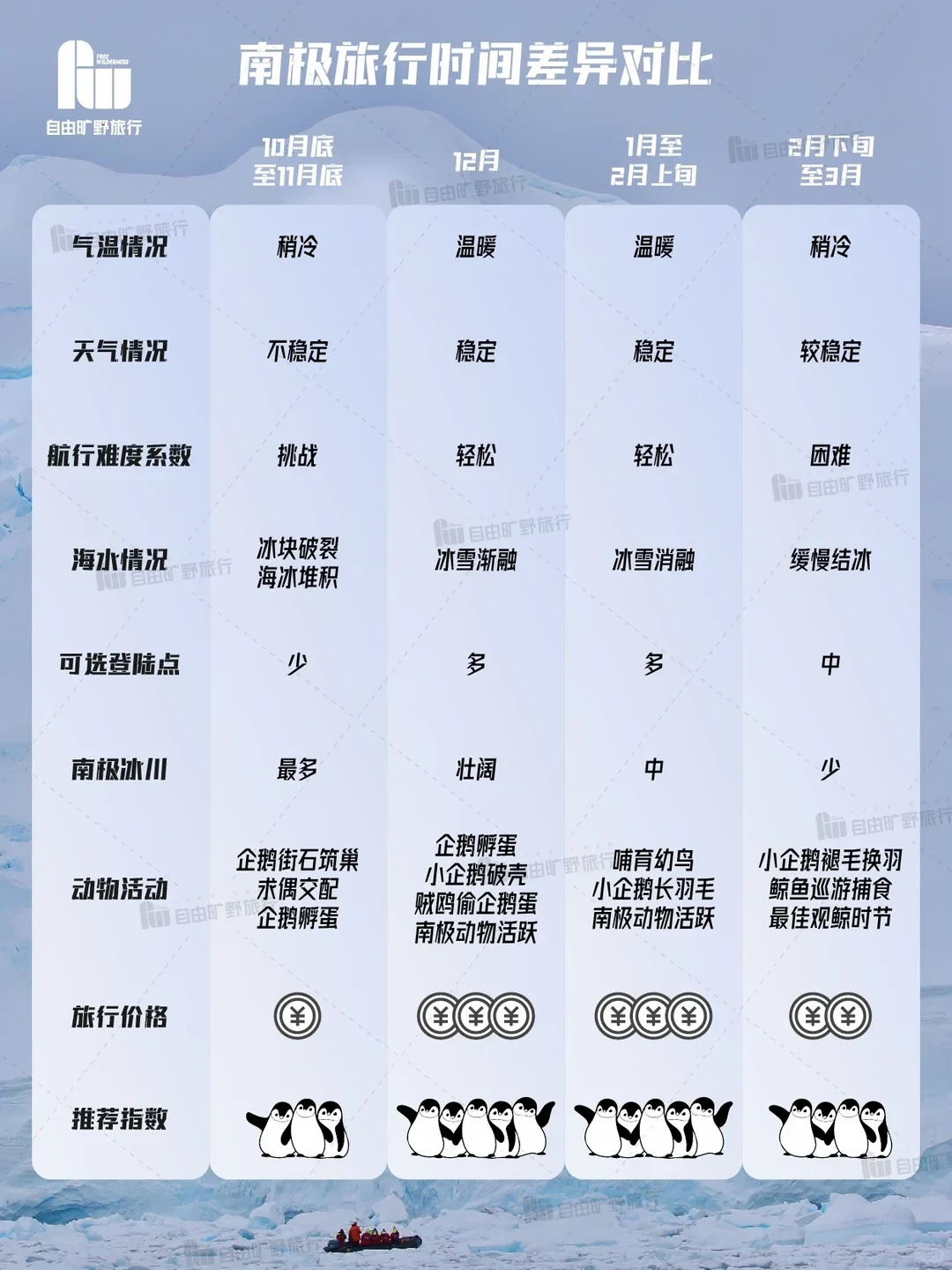
December through February are all recommended. During this period, Antarctic weather is relatively stable, wildlife is more active, and you can also see spectacular glaciers. The regular Antarctic travel season is concentrated in the Southern Hemisphere summer, and travel is possible from mid-October through late March, though the middle three months are the best.
November: a stronger sense of ice and snow
At the very beginning of the season, the whole continent is just waking from the long winter. This stage typically offers more snow and sea-ice scenery, a more complete icy environment, and the most glaciers. Some penguins begin courting, nesting, and incubating eggs. If you prefer ice, snow, pristine scenery, and the desolate atmosphere of early Antarctic summer, November is very appealing.
December: long daylight, entering the core season
From December onward, Antarctica gradually enters high summer. Days are very long, ice and snow begin to melt, there are more landing options, and weather conditions are generally more suitable for landings, Zodiac cruises, and other outdoor activities. The penguin breeding season also enters a critical phase and wildlife is active. At the same time, late December into New Year is a global travel peak, so popular ships and cabins are usually in tight supply.
January to early February: a classic time for a first trip
January is usually one of the most popular months for Antarctic travel. Penguin chicks become increasingly active, wildlife viewing opportunities are abundant, daylight is still long, navigation difficulty is low, and there are still many landing options. For a first trip, December through January is generally a safe choice.
Late February to March: the best whale-watching season
From late February onward, whale activity becomes more frequent in some areas. Penguin chicks molt and shed their down, and whales cruise and feed. For travelers especially focused on whales and marine ecology, February is equally worth considering.
2. What is the difference between 100-, 200-, and 500-passenger Antarctic cruises?
One of the biggest differences between an Antarctic expedition cruise and an ordinary ocean cruise is this: the core of an Antarctic trip is the outdoor activities after you leave the ship, such as landings, Zodiac cruises, and kayaking.
Under Antarctic tourism management rules, no more than 100 passengers may normally be ashore at the same landing site at one time. This means the number of passengers on board directly affects how landings and activities are organized.
Small expedition ships of around 100 passengers
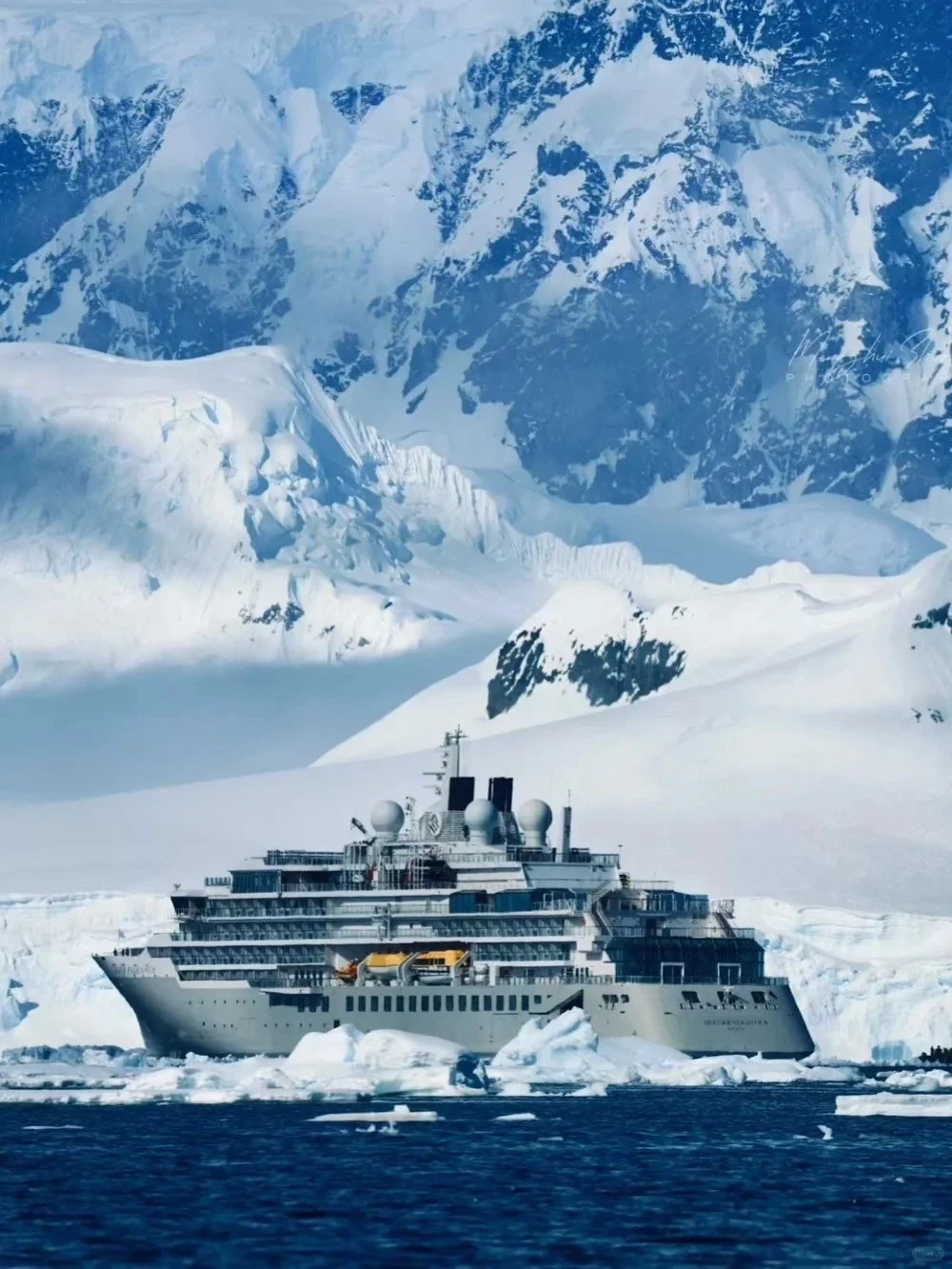
If no more than 100 passengers actually land, the whole ship can land at once when conditions allow. The advantages are fewer groups, higher organizational efficiency, and greater itinerary flexibility. Therefore, when other conditions such as hardware, ship age, and route are similar, small expedition ships are usually not cheap, and some boutique small ships can be noticeably more expensive.
Modern expedition cruises of around 120–200 passengers
This is currently a very mainstream ship type in the Antarctic market. Because of landing limits, these ships typically split passengers into groups: one group does shore landings while another does Zodiac cruises, then they rotate. In recent years, many new expedition ships of around 120–150 passengers have struck a good balance between cabin size, public space, stability, and landing efficiency.
Large cruise ships of over 500 passengers
Under current Antarctic tourism rules, ships carrying over 500 passengers are not allowed to conduct passenger landings. These products are therefore closer to cruise-only experiences, focused on onboard sightseeing and sea cruising rather than the traditional Antarctic expedition cruise experience.
3. How far in advance should you book an Antarctic cruise?
There is no single universal answer. But for travelers who want to pick popular ships and cabins, Free Wilderness generally recommends booking more than 9 months in advance. Popular ships and sailings sell out quickly. Antarctic itineraries are sold worldwide, and booking early means more route and cabin options.
Many cruise lines' early-bird fares are even better value than last-minute deals (there are exceptions, usually for ships that sell poorly). If you only want the absolute lowest price, you can also wait for last-minute tickets.
4. Will I get seasick?
Crossing the Drake Passage, most people get seasick. Based on our experience, over 80% of travelers experience seasickness to varying degrees.
The Drake Passage lies between the southern tip of South America and the Antarctic Peninsula, and is a sea area that most traditional Antarctic Peninsula routes must pass through. It is also one of the world's most famously challenging sea areas.
Travelers often hear two phrases: Drake Lake and Drake Shake. The former refers to calm conditions when the sea may be relatively smooth; the latter refers to the Drake Passage in significant wind and waves. Which one you encounter largely depends on the weather and sea conditions at the time. We still recommend bringing seasickness medication.
If you really want to avoid seasickness, you can choose a fly-the-Drake ticket. These typically fly from Punta Arenas in Chile to King George Island, then you board the ship to explore Antarctica.
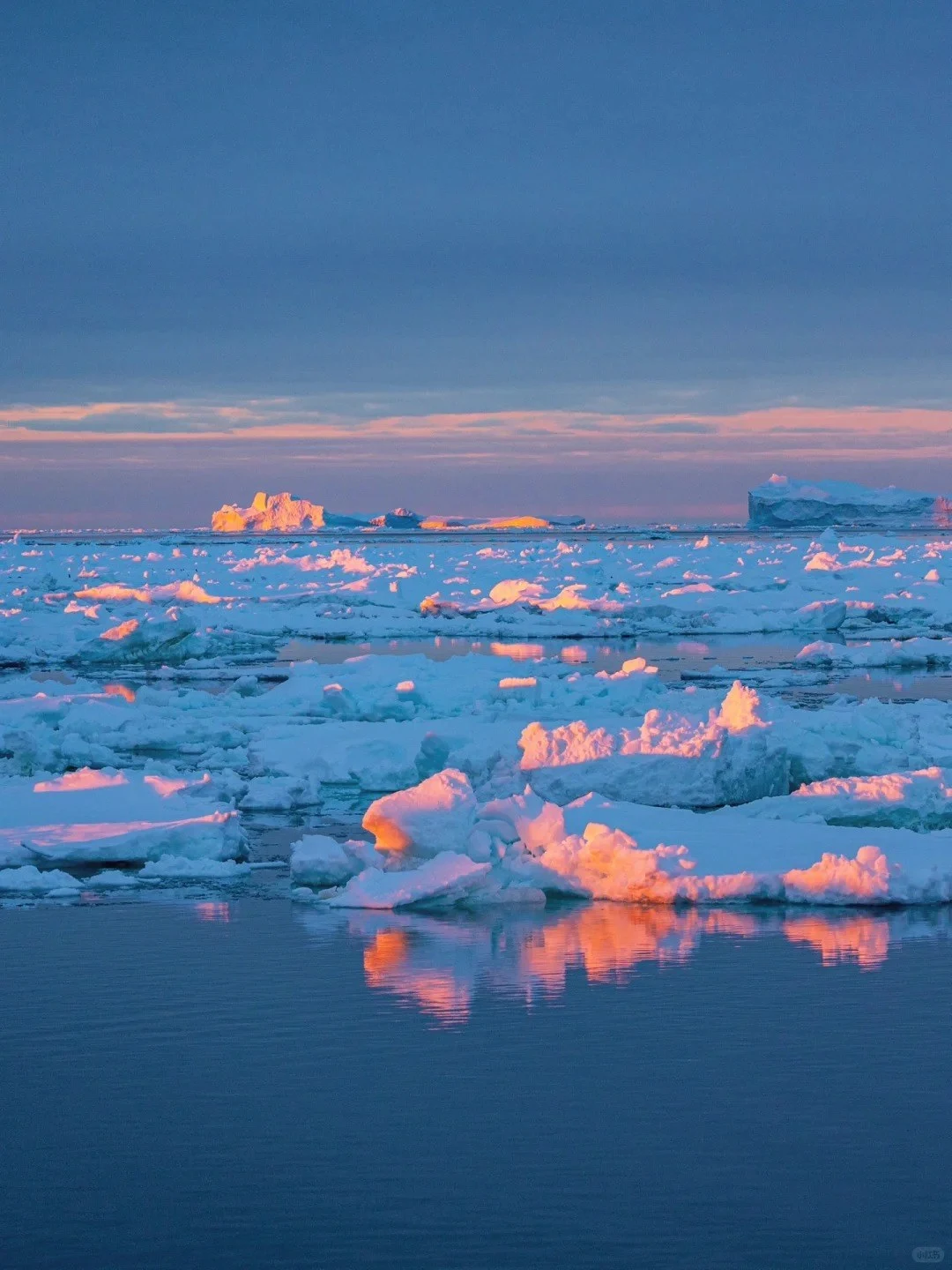
5. What is the difference between the Antarctic Peninsula, the Antarctic Circle, and the Antarctic three islands?
1. Antarctic Peninsula
The Antarctic Peninsula is the most mature and classic Antarctic travel region. Standard routes usually depart from Ushuaia, Argentina, cross the Drake Passage, and arrive at the South Shetland Islands and the Antarctic Peninsula. Common highlights include penguins, whales, seals, giant icebergs, glaciers, Zodiac cruises, and Antarctic landings. The overall voyage is usually about 8–11 days, the shortest option. If it is your first trip, your vacation time is limited, and you want to experience the most classic Antarctic scenery in a concentrated way, the Antarctic Peninsula is usually the easiest entry point.
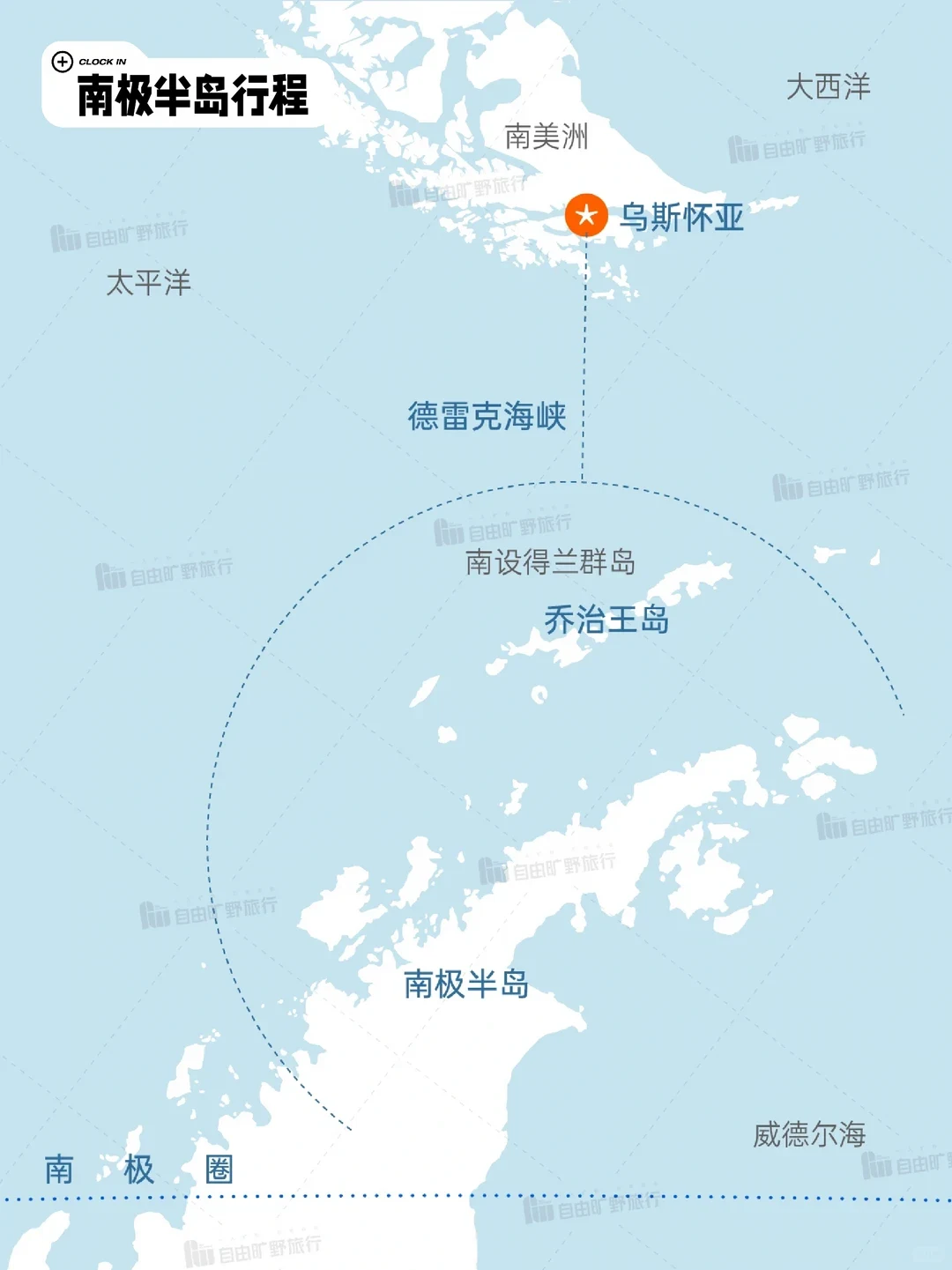
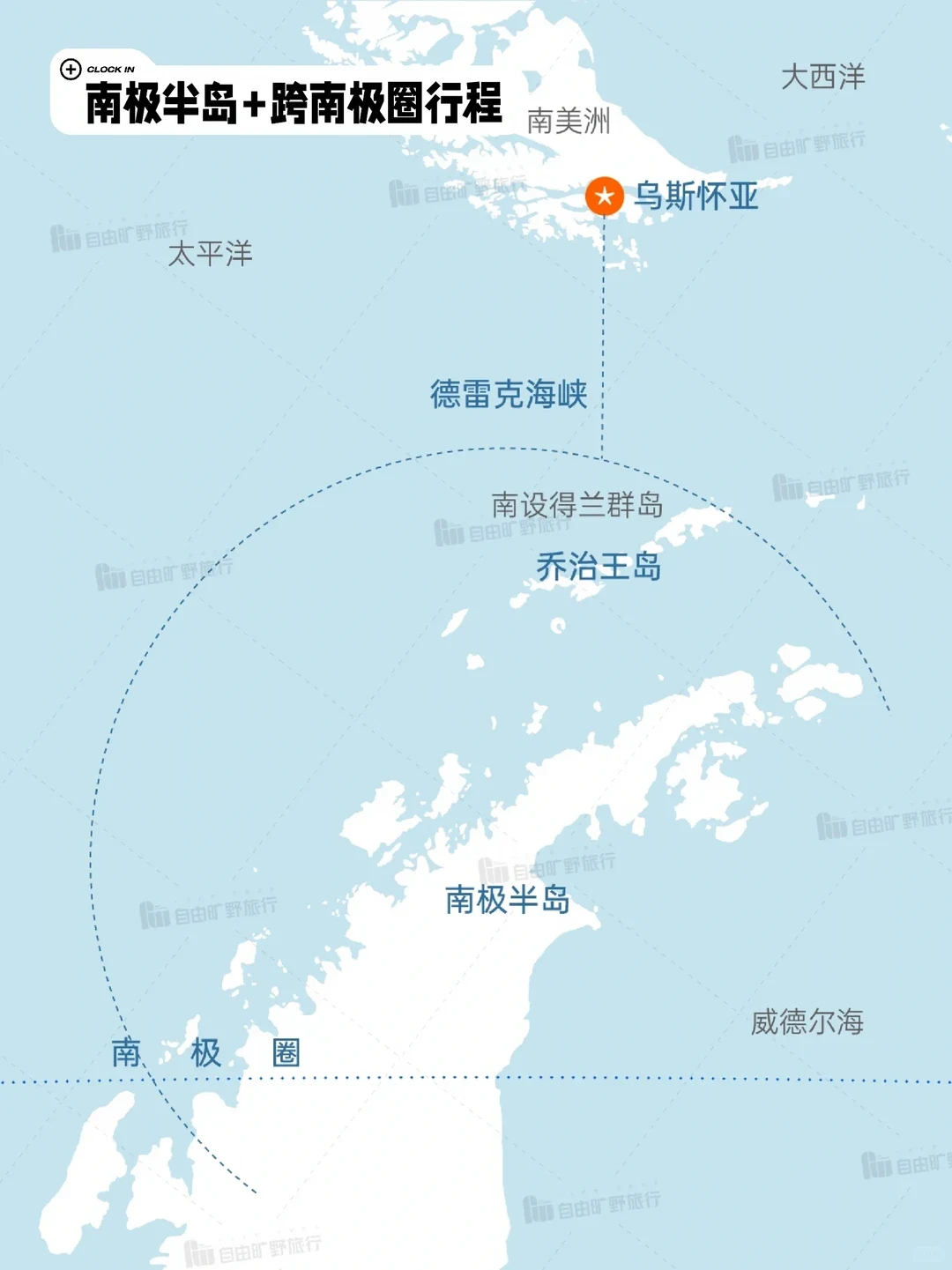
2. Crossing the Antarctic Circle
Crossing 66°34′S is a very clear geographic marker. The itinerary is generally 11–14 days. In theory, the further south you go, the more icebergs you see, but the journey also depends more on sea-ice and weather conditions.
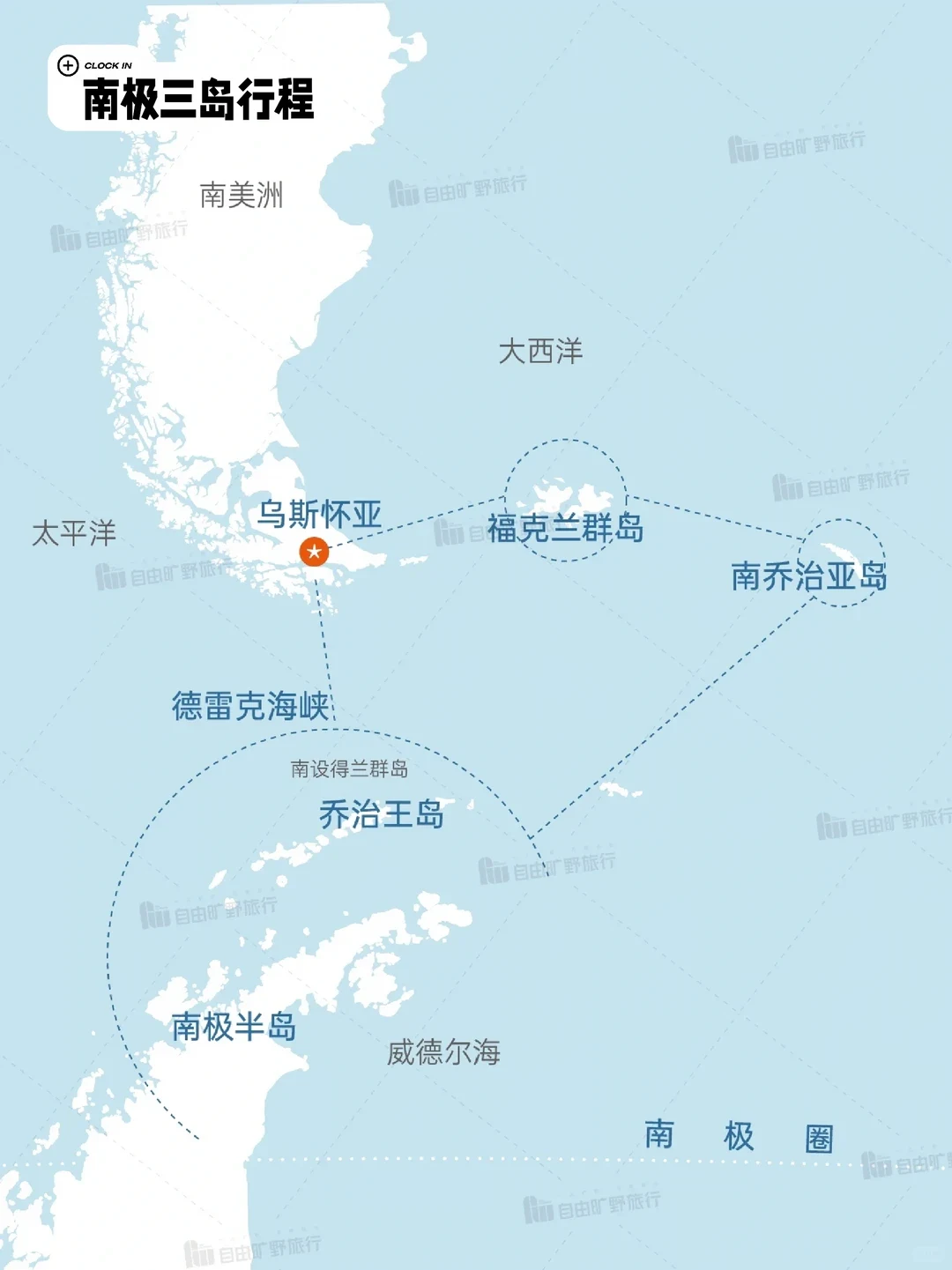
3. Antarctic three islands
This generally refers to: the Falkland Islands (Malvinas) + South Georgia Island + the Antarctic Peninsula. Such itineraries usually require about 18–22 days or even longer. One of its biggest draws is South Georgia Island, home to one of the world's most representative king penguin colonies. The visual impact of a massive penguin colony is completely different from the Antarctic Peninsula.
At the same time, South Georgia is an important site in Antarctic exploration history. The famous polar explorer Ernest Shackleton rests here, so some itineraries also include content related to the history of Antarctic exploration. For photography enthusiasts, wildlife lovers, and travelers who have already visited the Antarctic Peninsula and want a second, deeper polar trip, the Antarctic three islands are especially worth considering.
Please note that specific landing sites and wildlife area management on South Georgia may be affected by avian influenza, biosecurity regulations, and other factors. Actual activities must follow the season's official regulations and the expedition team's arrangements.
About Free Wilderness
Free Wilderness has long specialized in African safaris and polar nature travel, offering polar travel guides and information, Antarctic and Arctic cruise ticket booking, and exclusive discounts.
Free Wilderness maintains long-term, in-depth partnerships with world-class luxury cruise brands such as Silversea and Ponant, giving us early access to the latest routes and cabin availability. Building on years of premium cruise operations experience, we craft exclusive cruise journeys for our clients covering polar expeditions, luxury world voyages, and themed sailings.
FAQ
QFor a first trip to Antarctica, when is the best time to go?
December through February are all recommended. November offers a stronger sense of ice and snow; December has long daylight and enters the core season; January to early February is a classic time for a first trip, with active wildlife and many landing sites; late February to March is the best whale-watching season. For a first trip, December through January is generally a safe choice.
QWhat is the difference between 100-, 200-, and 500-passenger Antarctic cruises?
Normally no more than 100 passengers may be ashore at the same landing site at one time. A small expedition ship of around 100 passengers can land the whole ship at once — flexible but usually more expensive. A modern 120–200 passenger expedition cruise is mainstream and requires rotating groups for landings. Ships over 500 passengers cannot land and can only offer onboard sightseeing and sea cruising.
QHow far in advance should I book an Antarctic cruise?
We recommend booking more than 9 months in advance. Popular ships and sailings sell out quickly, and booking early means more route and cabin options; many cruise lines' early-bird fares are better value than last-minute deals. If you only want the absolute lowest price, you can also wait for last-minute tickets.
QWill I get seasick going to Antarctica?
Most people get seasick crossing the Drake Passage; based on our experience, over 80% of travelers experience some degree of seasickness. The Drake Passage is complex, and you may encounter either "Drake Lake" (calm) or "Drake Shake" (rough seas). We recommend bringing seasickness medication; if you really want to avoid it, choose a fly-the-Drake ticket.
Interested in Antarctica?
Contact our dedicated travel consultant for a free one-on-one consultation and a bespoke polar expedition itinerary.
Plan My Trip