For a first mountain gorilla trip in Africa, should you choose Rwanda or Uganda? Free Wilderness compares Rwanda's Volcanoes National Park and Uganda's Bwindi Impenetrable National Park across permit price, trekking difficulty, transport time, accommodation and suitable travelers.
Among Africa's wildlife experiences, gorilla trekking is a very special one.
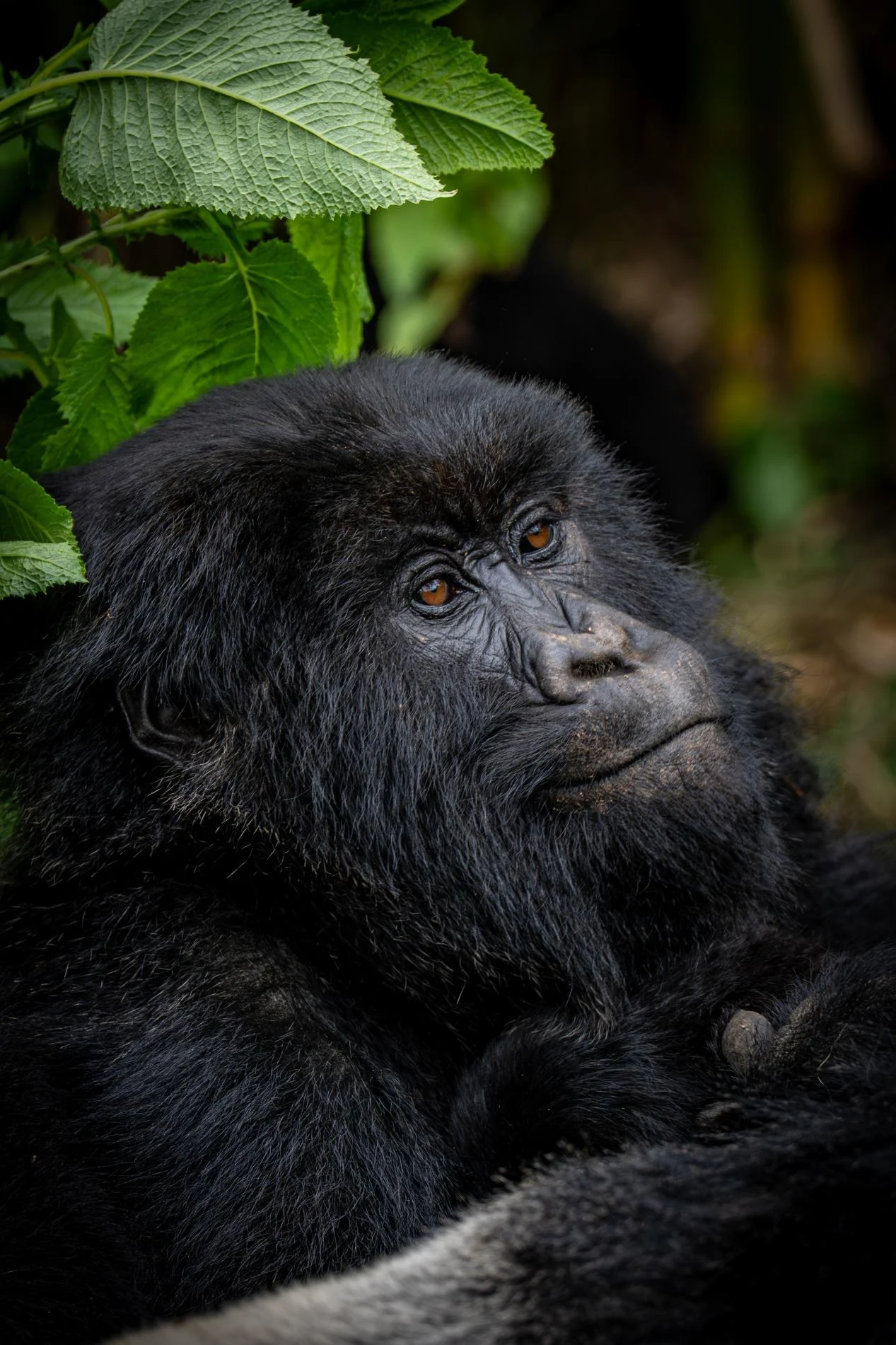
Unlike vehicle safaris in Tanzania and Kenya, gorilla trekking requires walking into the forest under professional guidance, following the day's movement of the gorilla families.
Mountain gorillas mainly live in the border area of Rwanda, Uganda and DR Congo. For international travelers, Rwanda and Uganda are the two most common destinations for planning gorilla travel.
So for a first gorilla trek, Rwanda or Uganda?

1. Rwanda: convenient transport, better for high-quality short trips
Rwanda gorilla trekking mainly centers on Volcanoes National Park in the northwest, part of the Virunga volcanic ecosystem shared with Uganda and DR Congo.
1. About 2-3 hours from Kigali
Rwanda's biggest advantage is transport efficiency. International visitors usually arrive in Kigali and drive to the park in 2-3 hours, so even 4-5 days is enough. This matters for those with limited leave, or combining gorilla trekking with a Tanzania/Kenya safari.
2. Abundant high-end accommodation
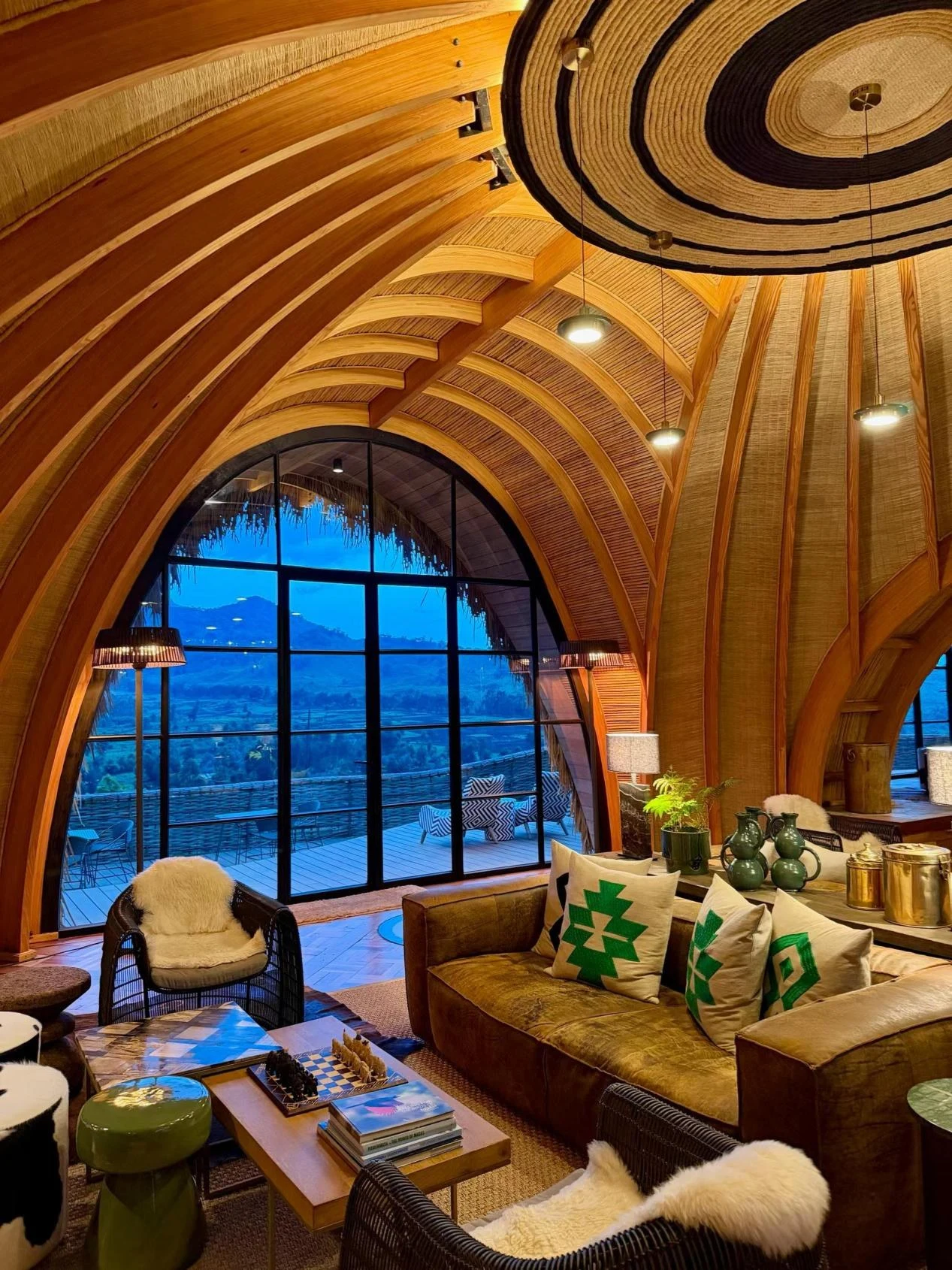
Volcanoes National Park has a mature high-end nature-lodge system. Singita, One&Only and Wilderness all have representative camps here. Rwanda can combine gorilla trekking with high-quality stays, forest retreats and nature experiences — which is why it is often placed before or after a Tanzania/Kenya safari in high-end African custom travel.
Wilderness Bisate
3. Relatively friendly trekking conditions
Compared to Bwindi's dense forest, parts of Volcanoes National Park have friendlier vegetation and terrain, usually making the trek easier.
4. Wider views
Bwindi is known for humid, dense forest, while parts of Volcanoes National Park's gorilla areas are bamboo, montane forest and relatively open vegetation. Open vegetation can reduce foliage obstruction for better viewing and photography — though daily gorilla positions vary.
5. Easier permit application
You need a Gorilla Trekking Permit in advance. Rwanda's permits can be applied, paid and tracked online.
2. Uganda: a more pristine forest adventure
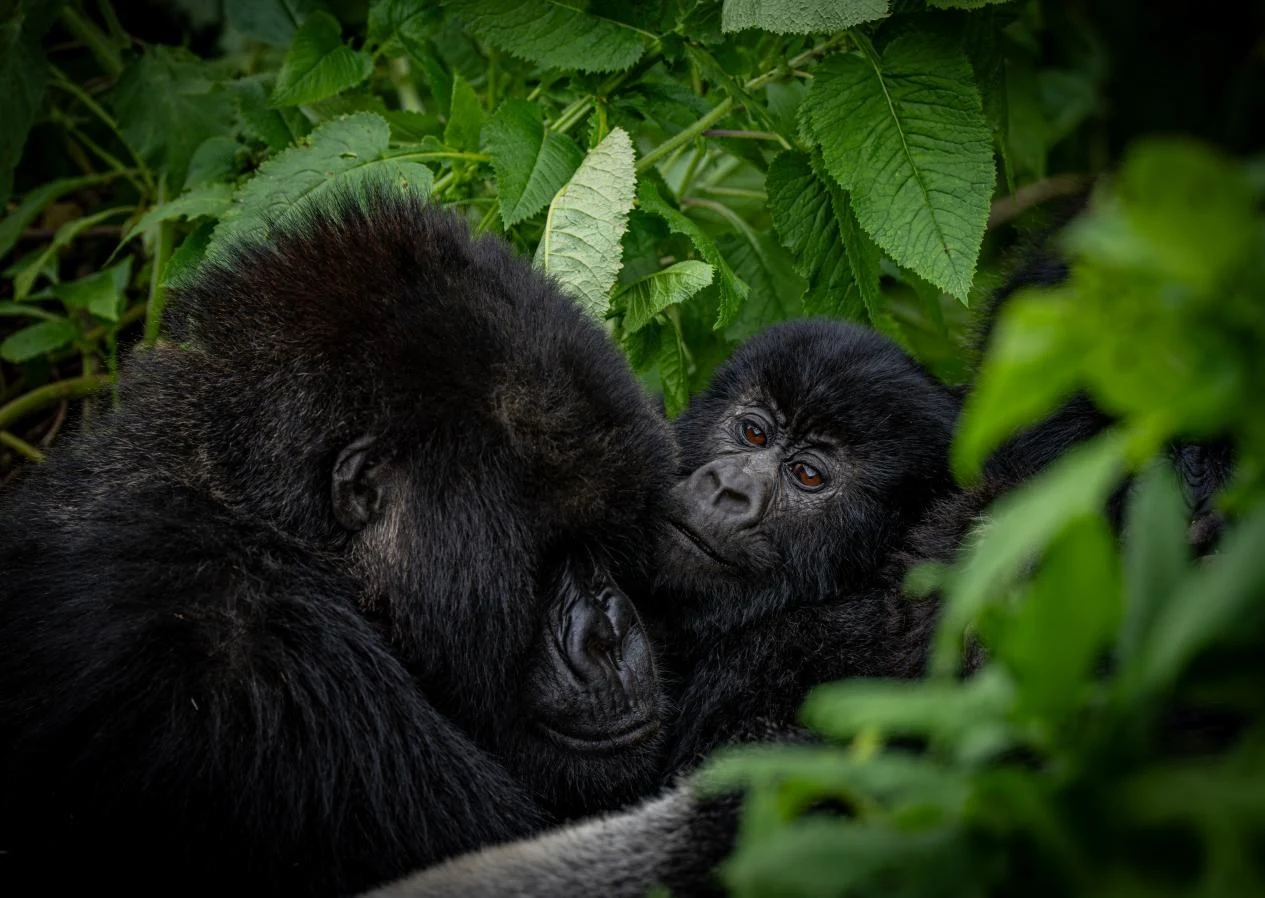
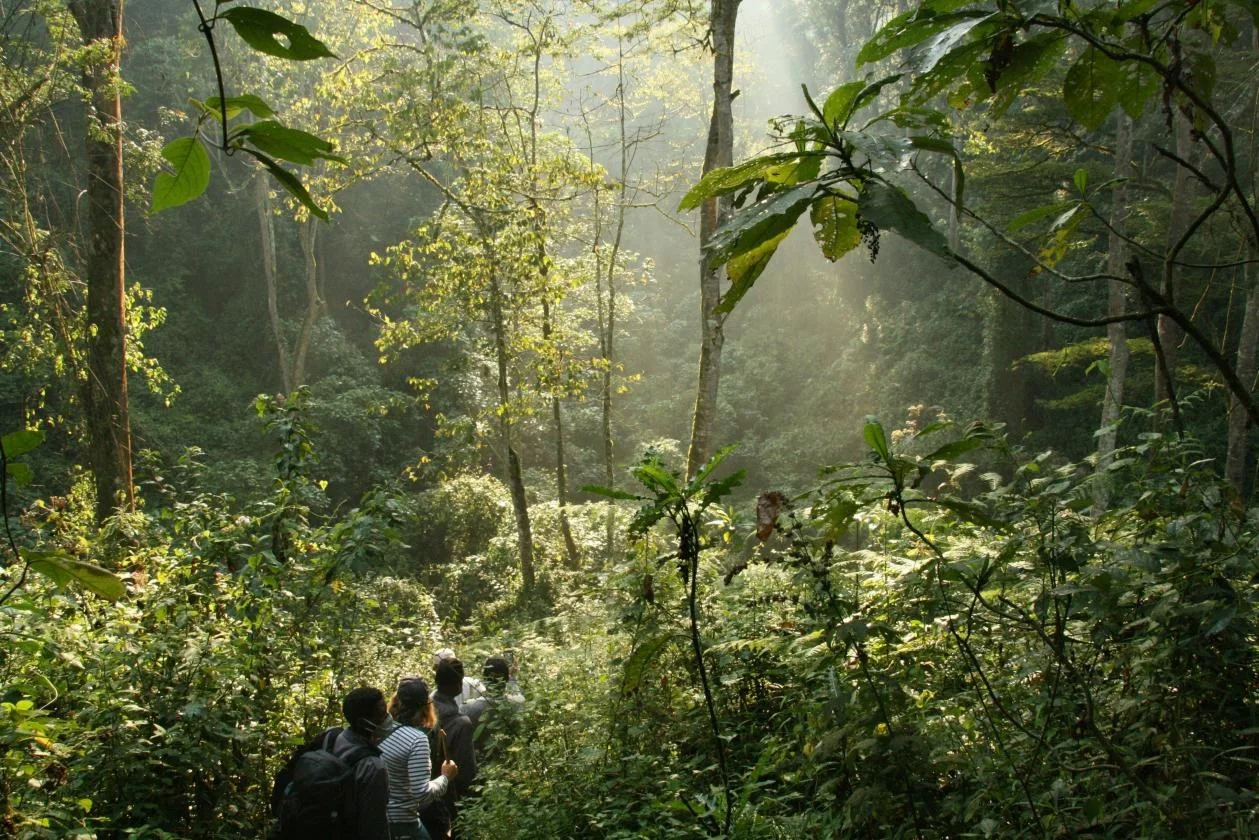
Uganda's most famous gorilla destination is Bwindi Impenetrable National Park — "Impenetrable" sums up its old, dense, complex terrain. If Rwanda is closer to "high-quality nature resort + gorilla trekking," Uganda offers a more distinctly pristine forest adventure.
1. Lower permit prices
One of the most obvious differences is permit price. Current international visitor prices:
- Rwanda gorilla trekking permit: USD 1,500/person/trip
- Uganda gorilla trekking permit: USD 800/person/trip
So for two people, Uganda saves a noticeable budget on permits alone.
2. Larger gorilla population
Bwindi is one of the world's most important gorilla habitats, home to over 400 mountain gorillas — more than half the global population.
3. Relatively ample permit availability
Uganda has multiple habituated gorilla families open to visitors, so more daily permits are available — offering more flexibility for last-minute or peak-season planning.
4. Gorilla Habituation experience
Uganda offers the unique Gorilla Habituation Experience (USD 1,500/person). Regular trekking finds families already accustomed to humans; Habituation lets you follow researchers and staff as gorillas gradually adapt to human observation — longer (4 hours), fewer people (max 4/group) and deeper nature observation.
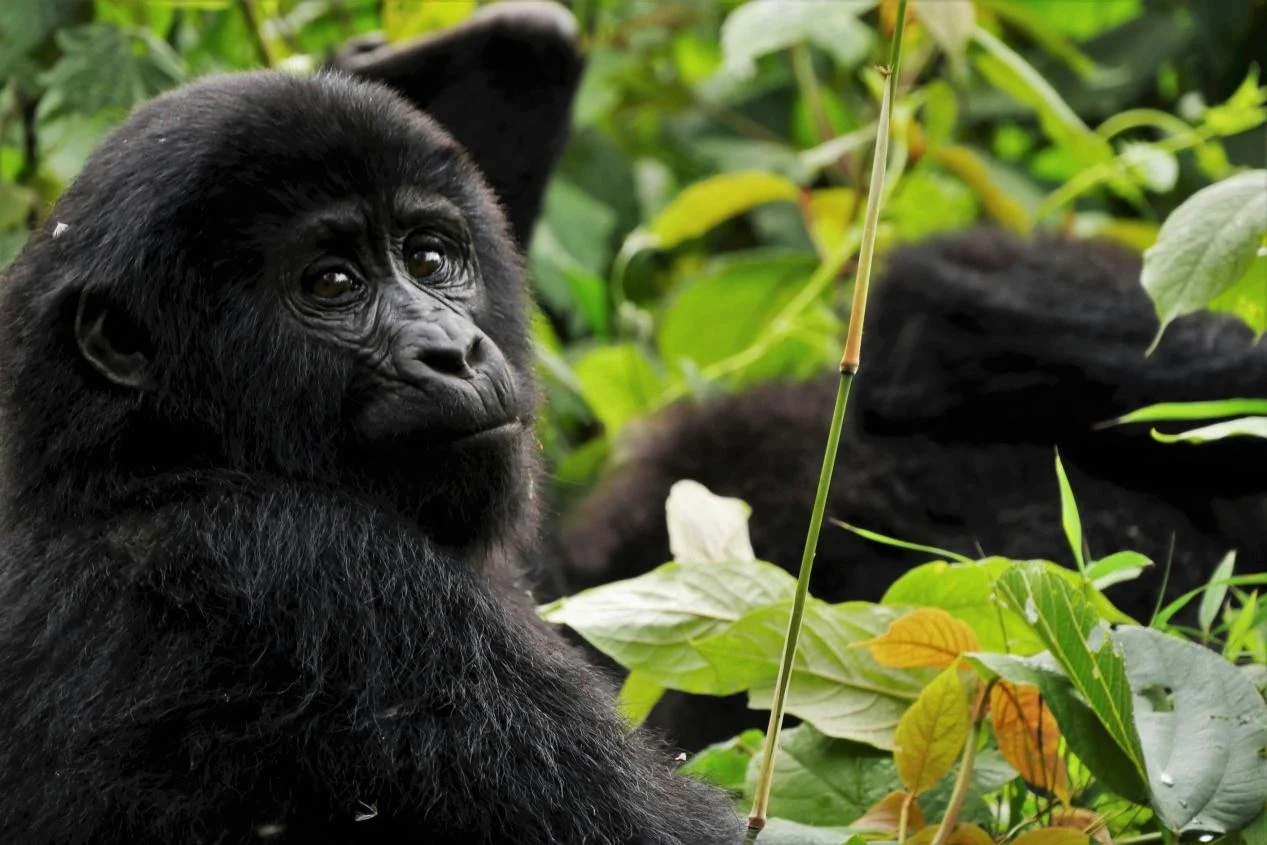
If Rwanda's main barrier is higher cost, Uganda requires weighing more factors: trekking difficulty, transport time, permit process and luxury resources:
1. Usually harder trekking
Bwindi has dense tropical forest with obvious elevation changes and muddy paths after rain, requiring more physical effort than Rwanda.
2. Longer transport to Bwindi
Overland from Entebbe International Airport to Bwindi takes about 8-10 hours, much longer than Kigali to Volcanoes NP (2-3 hours). You can also fly by small aircraft + road, but that raises costs.
3. More complex permit process
Uganda permits are managed by the Uganda Wildlife Authority (UWA), requiring email or phone application for paper permits. For ordinary travelers, applying and coordinating is more complex, so many use local operators or professional services.
4. Fewer top luxury options
Bwindi has boutique lodges and quality nature stays, but compared to Volcanoes NP, top luxury brand variety and choice still lag.
3. Rwanda or Uganda for a first gorilla trek?
Both countries have over 95% sighting probability, so don't worry about "missing out." The differences are mainly in physical effort, comfort and budget.
Limited time, ample budget, value comfort and stay quality: choose Rwanda
Kigali to Volcanoes NP is 2-3 hours, with rich high-end stays, easier trekking and online permits.
Limited budget, value pristine adventure: choose Uganda
Lower permits (USD 800/person), larger gorilla population and the unique Gorilla Habituation — but prepare for harder trekking and longer transport.
FAQ
QWhat is the price difference for gorilla permits between Rwanda and Uganda?
At current international prices, Rwanda's permit is USD 1,500/person/trip and Uganda's is USD 800/person/trip. For two people, Uganda saves a noticeable budget on permits alone.
QFor a first gorilla trek, Rwanda or Uganda?
If time is limited, budget ample and you value comfort and stay quality, choose Rwanda. If budget is limited and you value pristine forest adventure, choose Uganda. Both have over 95% sighting probability.
QWhat is Uganda's Gorilla Habituation?
It's a special Uganda experience (USD 1,500/person). Unlike regular trekking (finding already-habituated families), Habituation lets you follow researchers and staff as gorillas gradually adapt to human observation — longer (4 hours), fewer people (max 4/group) and deeper nature observation.
QIs transport to Uganda for gorilla trekking convenient?
Relatively inconvenient. Overland from Entebbe to Bwindi takes about 8-10 hours, far longer than Kigali to Volcanoes NP (2-3 hours). Small aircraft + road is possible but raises costs.
Interested in Africa?
Contact our dedicated travel consultant for a free one-on-one consultation and a bespoke African safari itinerary.
Plan My Trip