Kenya, Tanzania and Botswana — what is the difference?
All three offer safari and sightings of lions, elephants, leopards and zebras, but their travel focuses differ.
Some want the East African migration, some care about animal density and the river crossing, and some seek exclusive luxury.
This article clarifies the three classic destinations across wildlife, safari style, accommodation, transport and experience.
1. Kenya: the classic first-time African safari
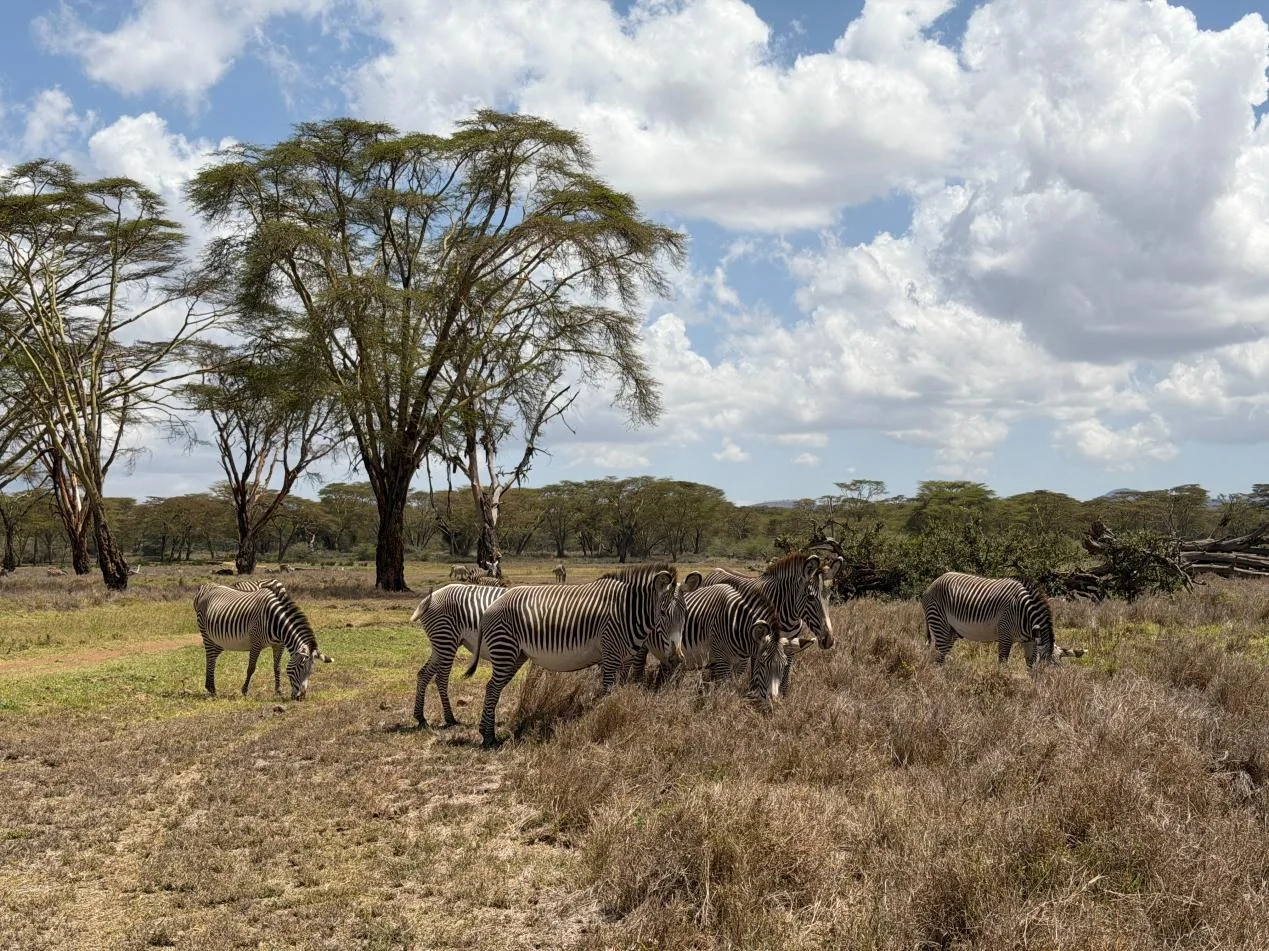
If your imagined Africa is golden grasslands, zebra herds, giraffes, elephants and wildebeest crossings, Kenya is usually the easiest choice.
Kenya's classic safari area is the Masai Mara National Reserve and surrounding private conservancies. Each year around Jul-Sep, migration herds enter the Masai Mara, with a chance to see the famous Mara crossing. Note that the "river of heaven" is not a fixed-date show — when and where animals cross depends on rain, water levels and the herds themselves.
Even without a crossing, the migration-season Masai Mara is spectacular, with thousands of wildebeest and zebra scattered across the plains and predators following their prey.
For first-time Africa visitors, Kenya has mature infrastructure, many national parks and private conservancies, and a lower budget threshold from economy hotels to top luxury camps.
2. Tanzania: for a deeper Great Migration experience
If Kenya represents "classic East African safari," Tanzania is a fuller unfolding of it.
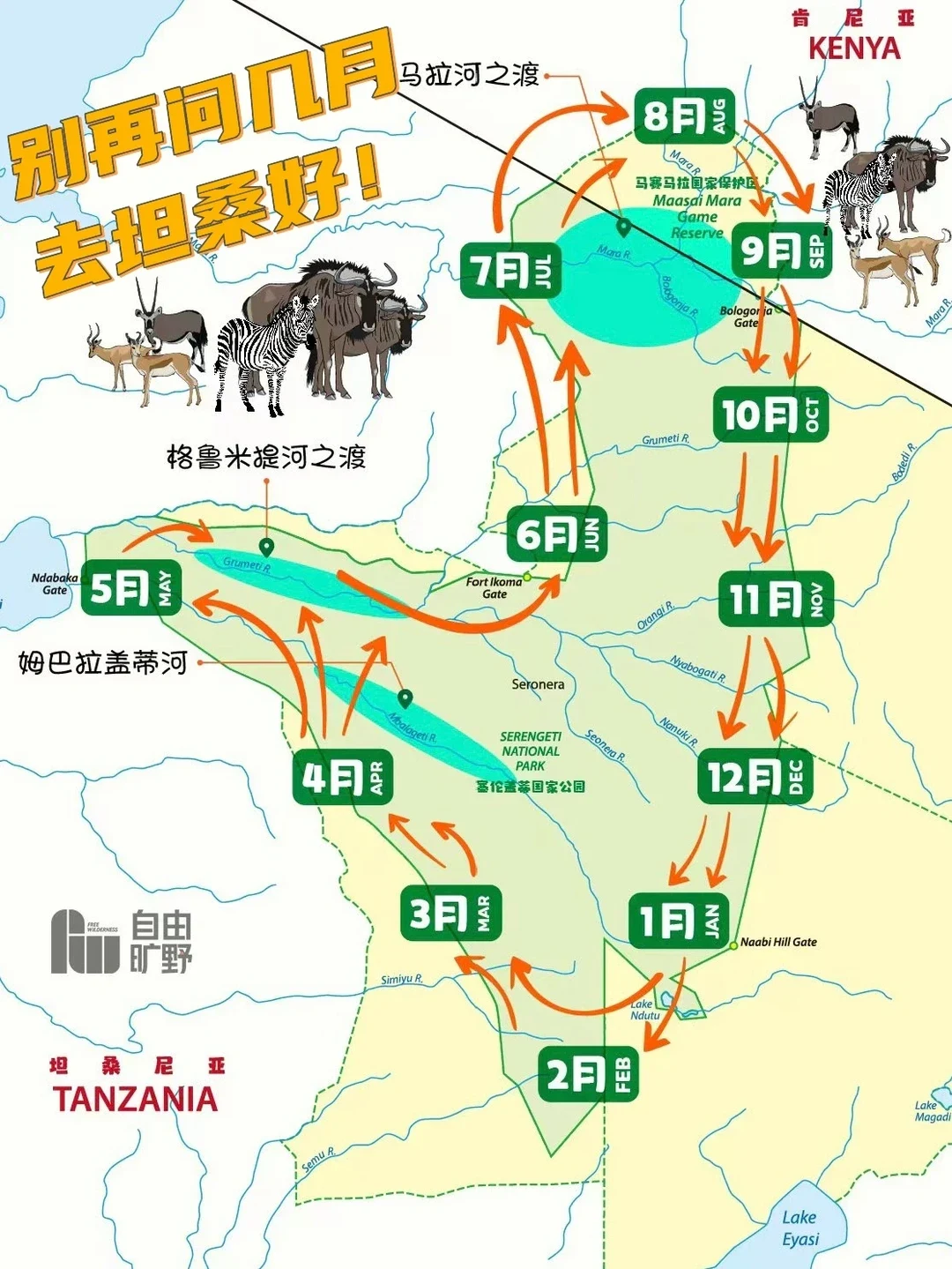
Tanzania's biggest advantage is the Serengeti's scale and ecological integrity — about ten times the size of the Masai Mara, with more animals but fewer vehicles and people. Migration herds do not appear only in Jul-Sep; they cycle across the East African savanna year-round, so Tanzania offers the migration all year.
Jan-Mar: southern Serengeti calving season
Massive wildebeest calving in southern Serengeti and Ndutu, with many calves and frequent predator activity — a dramatic safari season.
Mid-year: moving west
Jun-Oct: dry season and migration season
Vegetation thins and animals concentrate near water. Jul-Sep is the popular northern Serengeti and Mara River period for river crossings.
Overall, for the same time and days, Tanzania safari generally costs more than Kenya (outside private conservancies).
3. Botswana: for exclusive, private safari
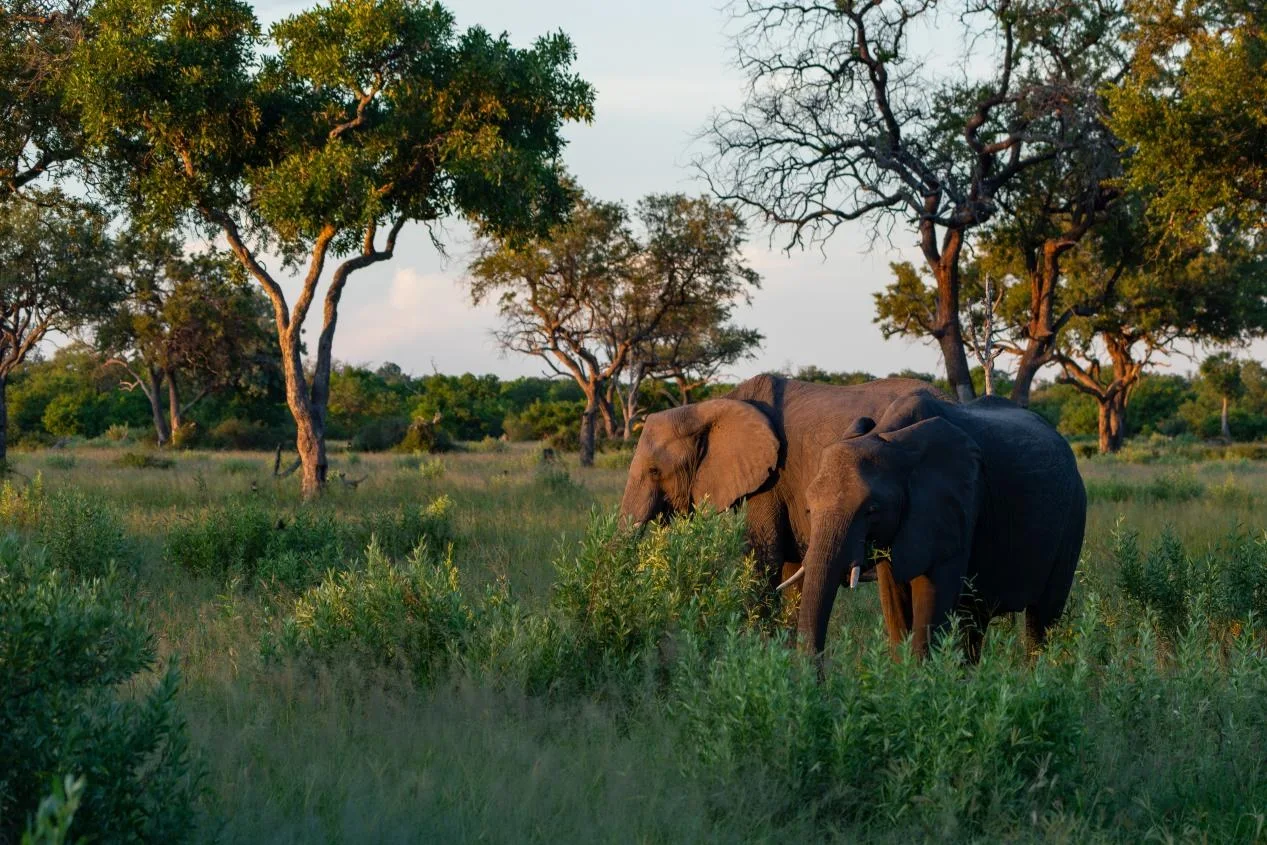
Botswana strongly emphasizes private reserve management and low-density tourism. In the Okavango Delta's private reserves, many high-end camps sit within their own reserve — for example, a private reserve close to the size of Chengdu hosts only 50-60 guests. You can drive across the savanna all morning and see no other vehicle — true exclusive safari.
This is why Botswana is a top choice for high-end safari travelers with ample budget who value privacy.
The Okavango Delta is a special inland wetland: water penetrates the dry Kalahari, forming channels, lagoons, islands and floodplains. So safari here goes beyond game drives — depending on water level and camp location, you can also experience mokoro canoes, motorboat cruises, walking safari and night safari.
At the same time, Botswana is the most expensive of the three — and indeed of all African safari destinations.
FAQ
QFor a first African wildlife trip, what's the difference between Kenya, Tanzania and Botswana?
Kenya is the classic entry choice with the Jul-Sep Masai Mara crossing and mature infrastructure at a lower budget. Tanzania's Serengeti is about ten times the Masai Mara, with year-round migration, more animals and fewer visitors for deep experiences. Botswana is known for low-density tourism in the Okavango Delta with extreme privacy, mokoro, boating, walking and night safari — and is the most expensive of the three.
QCan I see the Great Migration in the Masai Mara? When is best?
Yes. Around Jul-Sep each year, migration herds enter the Masai Mara with a chance to see the famous crossing. But the "river of heaven" is not a fixed-date show — timing depends on rain, water levels and the herds. Even without a crossing, the season is spectacular with thousands of wildebeest and zebra and active predators.
QCan Tanzania safari see the migration all year?
Yes. The Serengeti covers the full year-round cycle: Jan-Mar southern calving with many calves and predators; Apr-Jun herds move northwest; Jun-Oct dry season with animals at water, and Jul-Sep is the popular northern Mara crossing period. The Serengeti is about ten times the Masai Mara, with more animals and fewer vehicles for a more private experience.
QWhy is Botswana safari the most expensive? What unique experiences does it offer?
Botswana emphasizes private reserves and low-density tourism, with some reserves near the size of Chengdu hosting only 50-60 guests — true exclusive safari. The Okavango Delta is a unique inland wetland where, besides game drives, you can experience mokoro, boating, walking and night safari by water level — making Botswana a top choice for high-end safari travelers.
Interested in Africa?
Contact our dedicated travel consultant for a free one-on-one consultation and a bespoke African safari itinerary.
Plan My Trip