What should you wear on a first African safari? How do you balance comfort, sun protection, dust protection and photos in Tanzania, Kenya and Botswana? Drawing on long safari field experience, Free Wilderness compiles layering, color choice, footwear, sun accessories and photo tips for the savanna.
The African savanna is not "hot from morning to night" as many imagine.
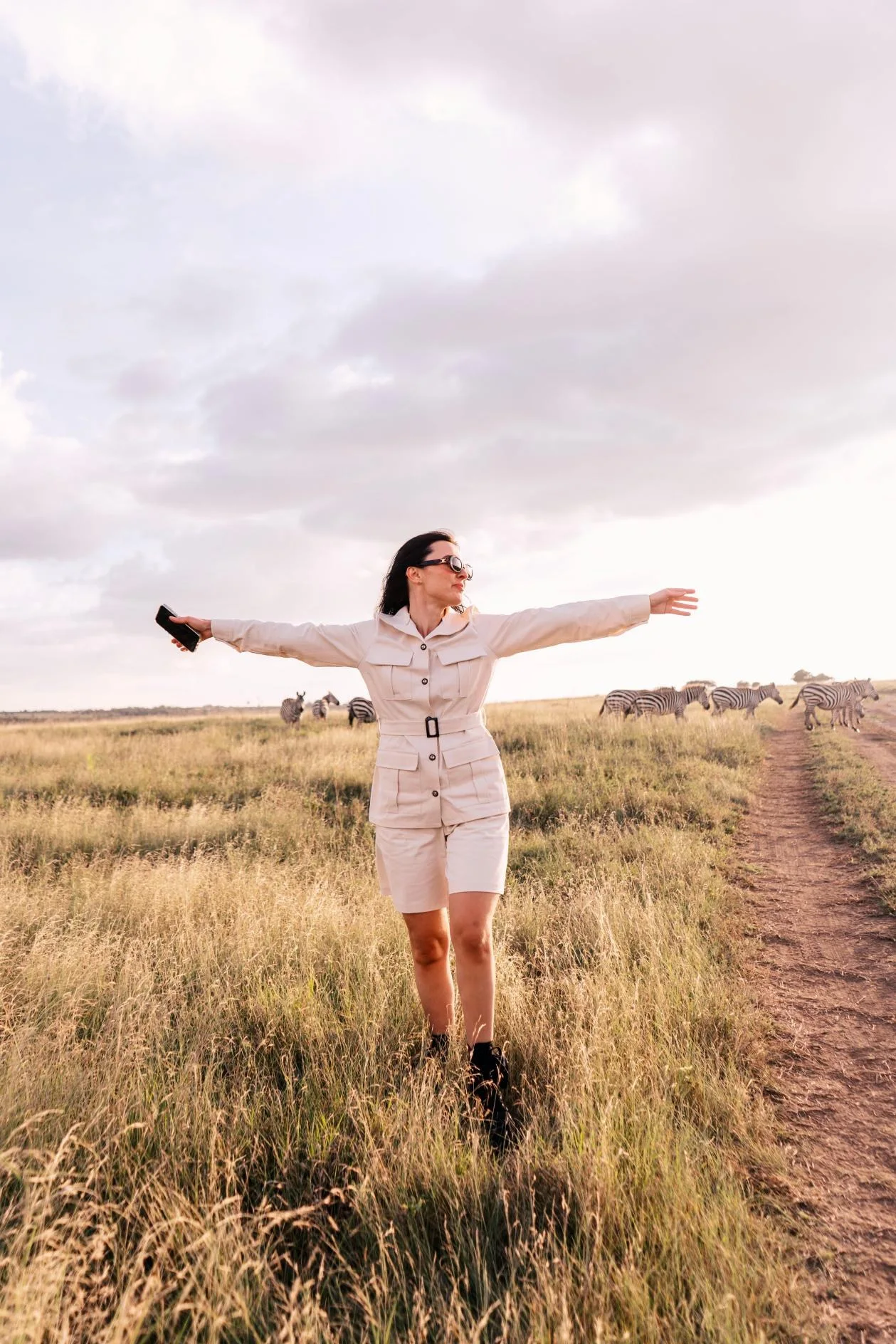
In East African destinations like Tanzania and Kenya, early morning departures can be noticeably cool while midday sun is intense; high-altitude areas, winter and the dry season show especially large temperature swings. So the core of safari dressing is three principles: layering, comfort and outdoor suitability — then use color and accessories for photos.
1. Dressing principles: comfort & layering first
1. Always bring a warm outer layer. Day-night temperature swings are large; mornings and nights at camp are cold. A softshell + light down liner packs small and resists wrinkles.
2. It warms up after 10am; by midday wear short sleeves or a tank with a thin jacket or sun-protective layer. Layering is most practical.
3. For footwear, bring two pairs!
- A pair of slippers or clogs. For long flights, camp rest or showers; during safari you often stand on seats to see animals, and photos rarely show your feet.
- A pair of comfortable boots or hiking shoes. For all outdoor activities like bush walks and walking around camp.
2. What colors are recommended for safari?
Recommended: earth tones and natural colors
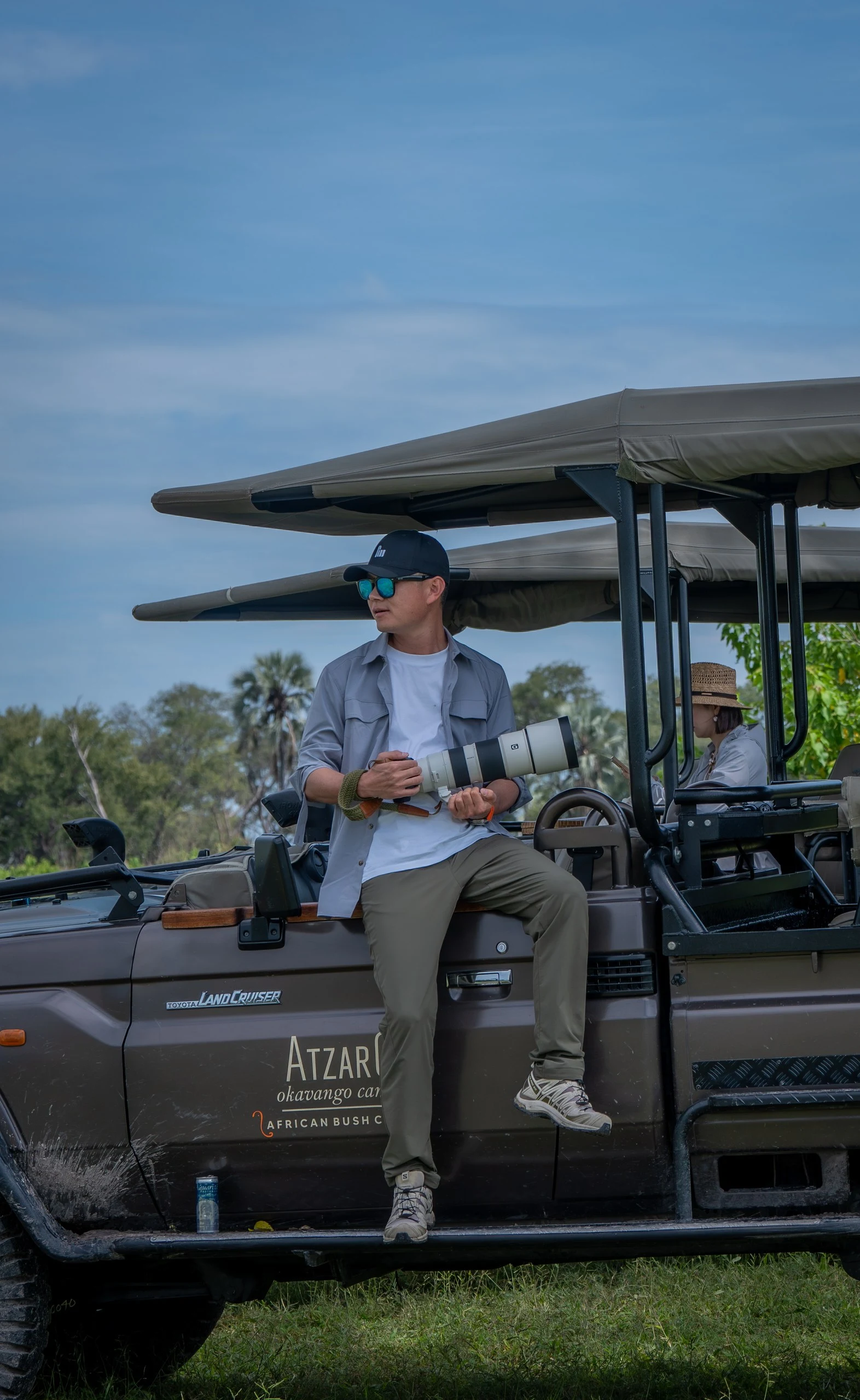
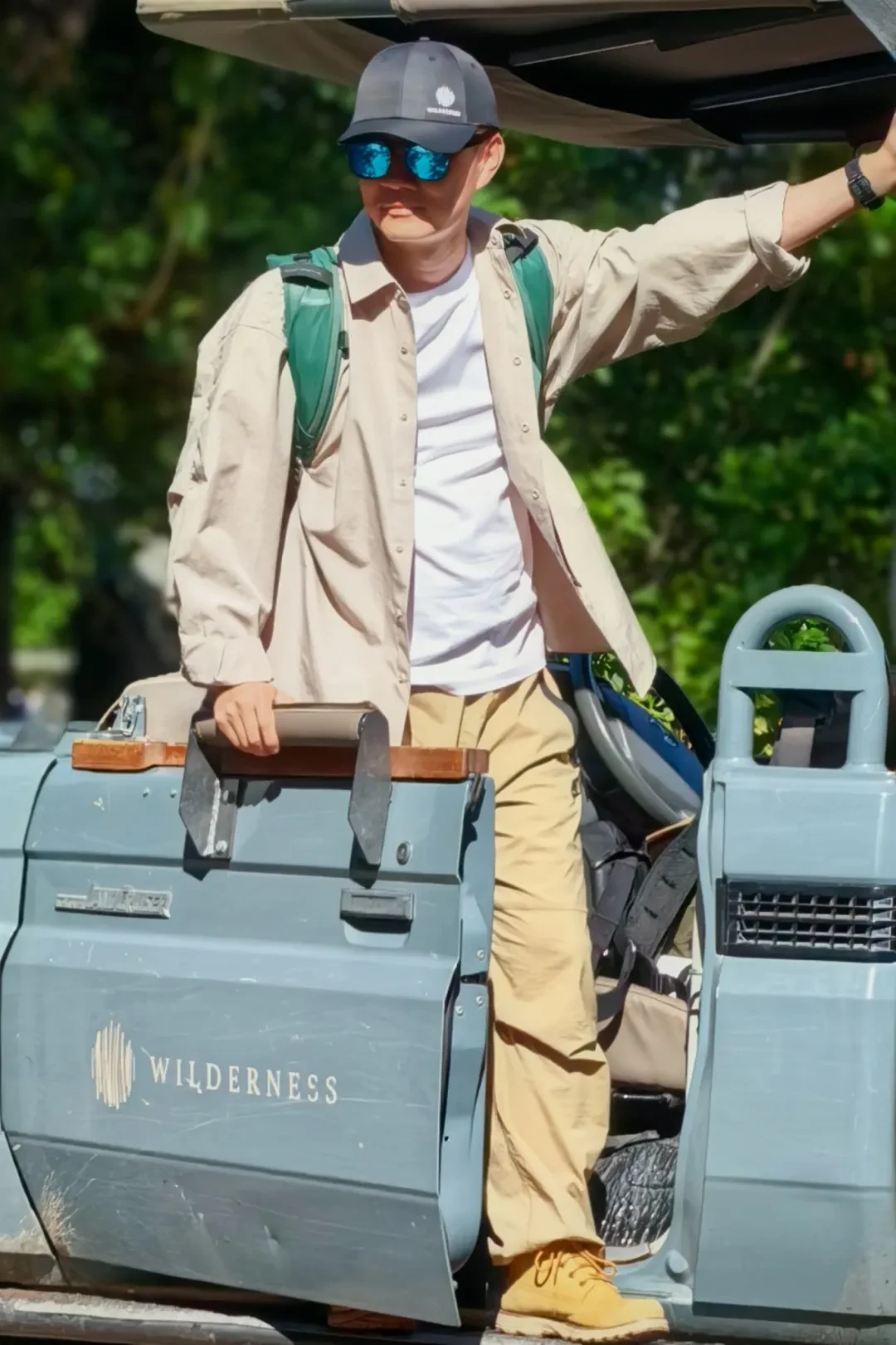
Colors that suit safari include khaki, beige, brown, olive green, light gray and sand. They blend with the savanna, soil and bush, and are usually dirt-resistant — more practical than pure white.
Can you wear white?
Yes. White photographs beautifully against the savanna, camp and sunset, especially for portraits. But it gets dirty easily.
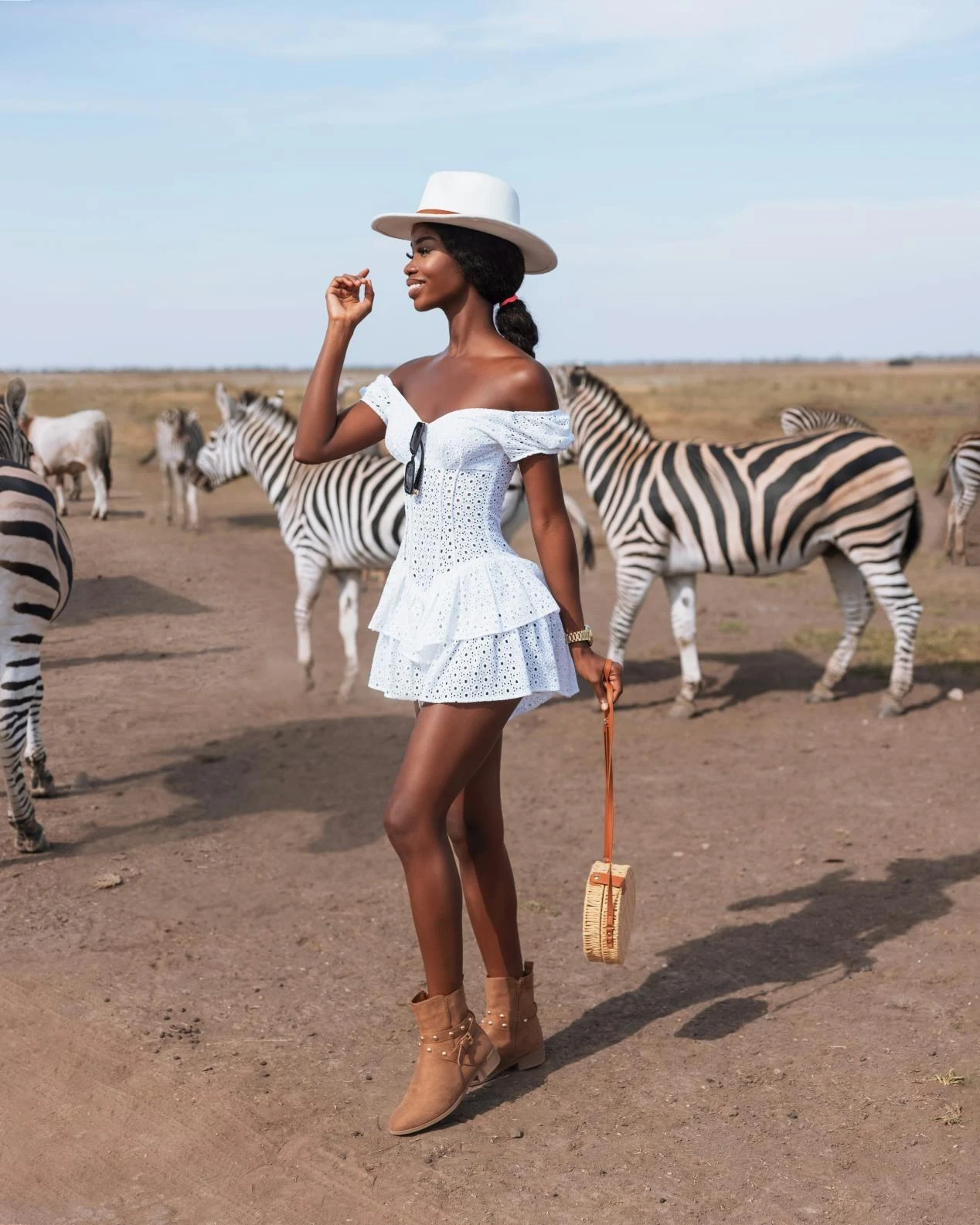
Why avoid wearing lots of black and dark blue?
In parts of East Africa, it's often advised to reduce black, dark blue and royal blue clothing — partly because tsetse flies are attracted to blue and dark objects. In tsetse-fly areas, choose khaki, beige and olive green. This doesn't mean one black garment will get you bitten; comprehensive protection (long sleeves, long pants, repellent) matters more than color.
3. Most useful small accessories for safari
Sunglasses — strong savanna sun, especially at midday and in dust, makes sunglasses very useful; choose proper UV protection.
Wide-brim hat or baseball cap — mainly for shade. Wide-brim covers more; caps are lighter. Hats blow away easily in wind or open vehicles, so use a chin strap.
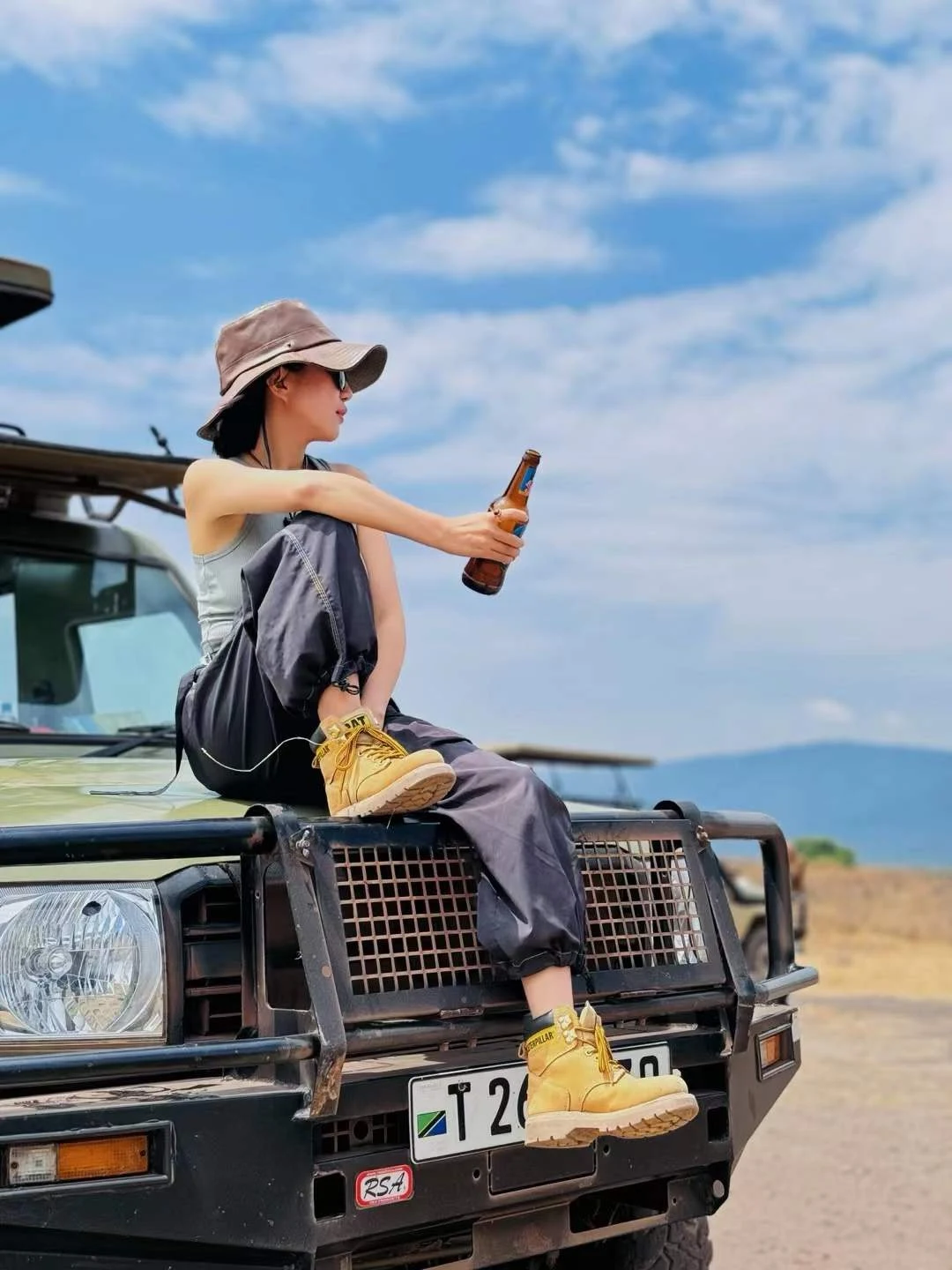
Silk scarf / multifunctional headwear — a 90×90 silk scarf works as both a scarf and headscarf.
Sun-protective face mask — for those who care about sun and dust; bring two to rotate or layer.
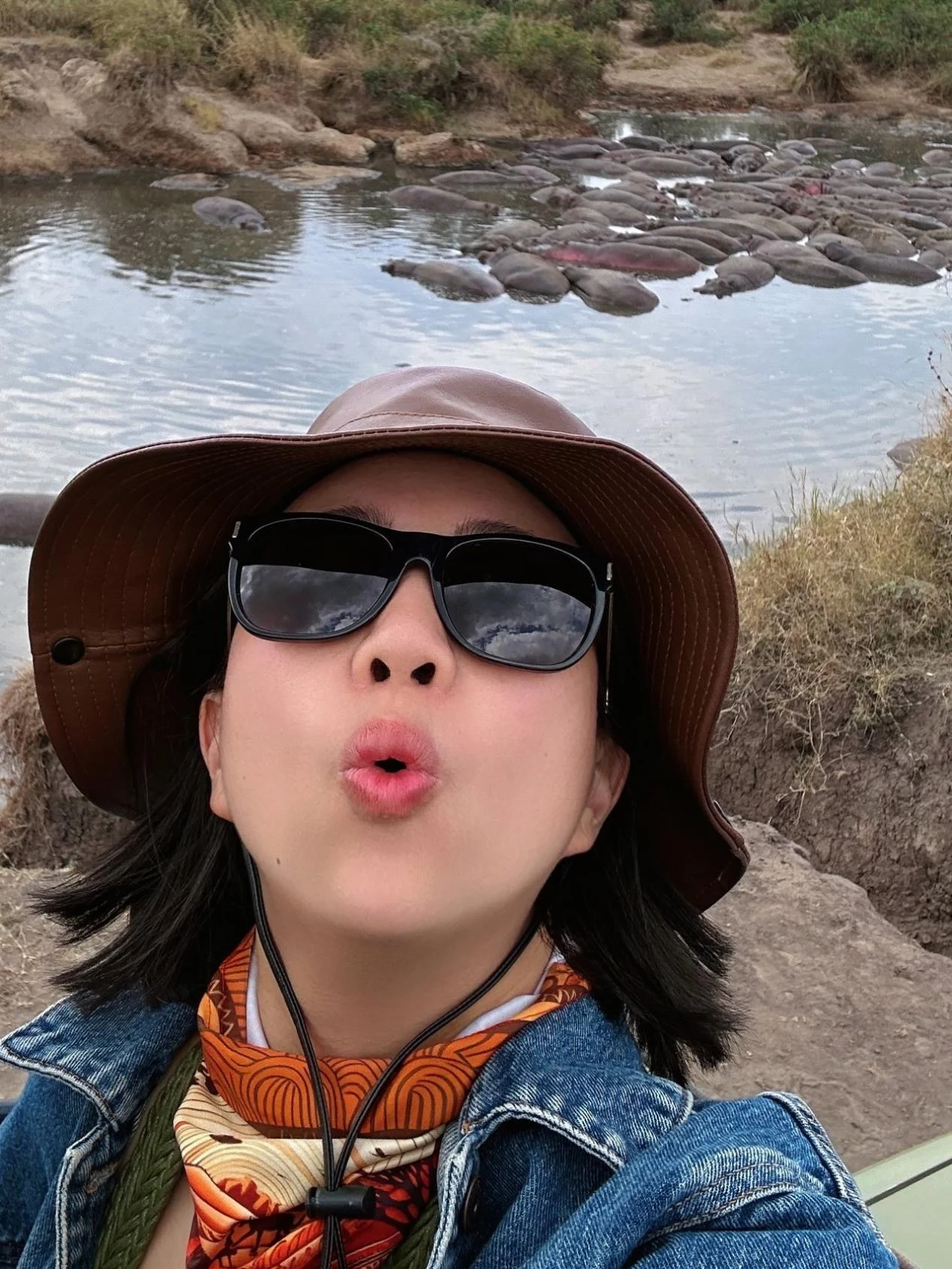
4. Natural photo ideas for African safari
1. Inside the vehicle
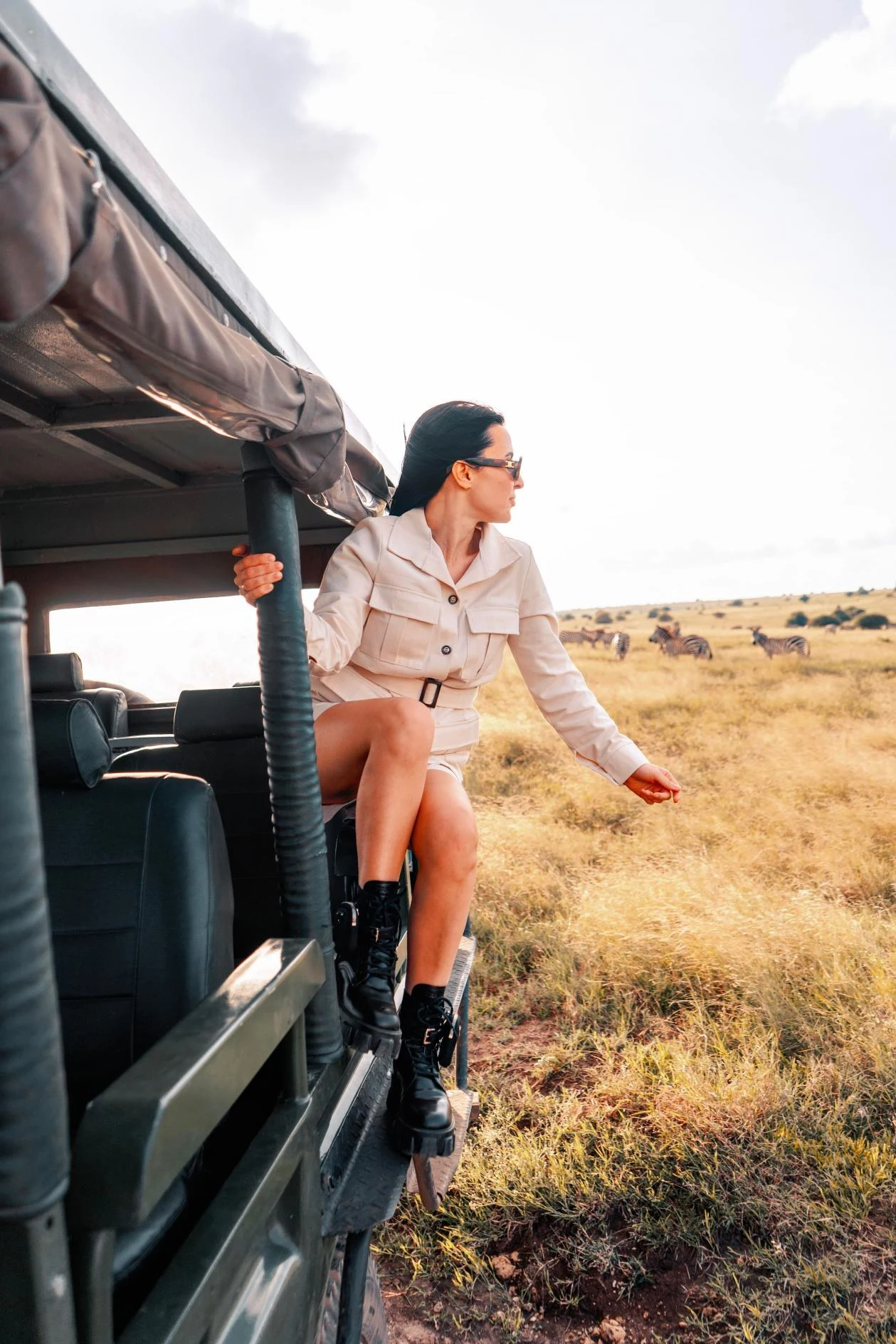
The easiest scene for safari atmosphere — sit and look out, or observe from the pop-up roof if allowed. With elephants, giraffes or migration herds in the background, no posing is needed.
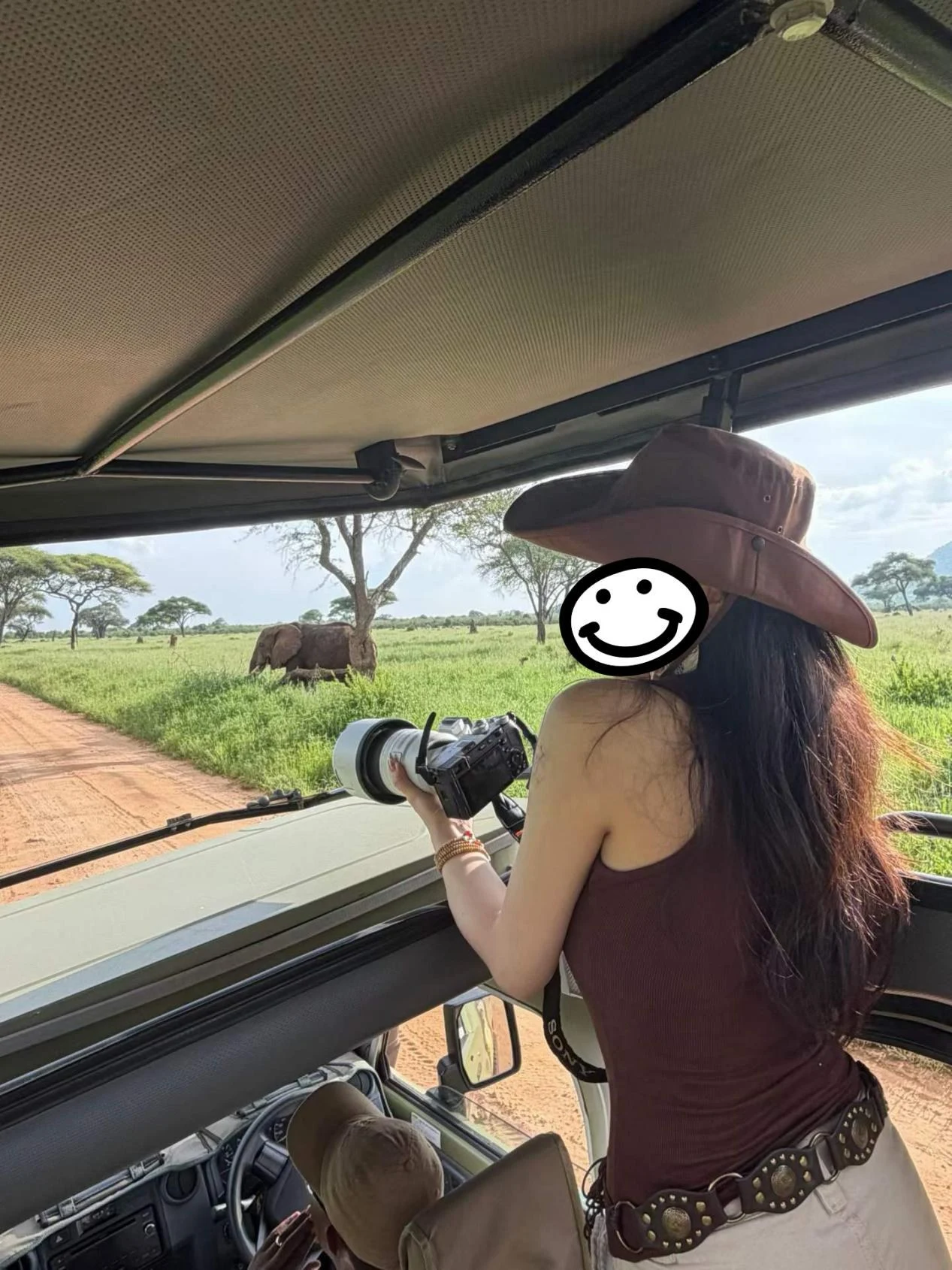
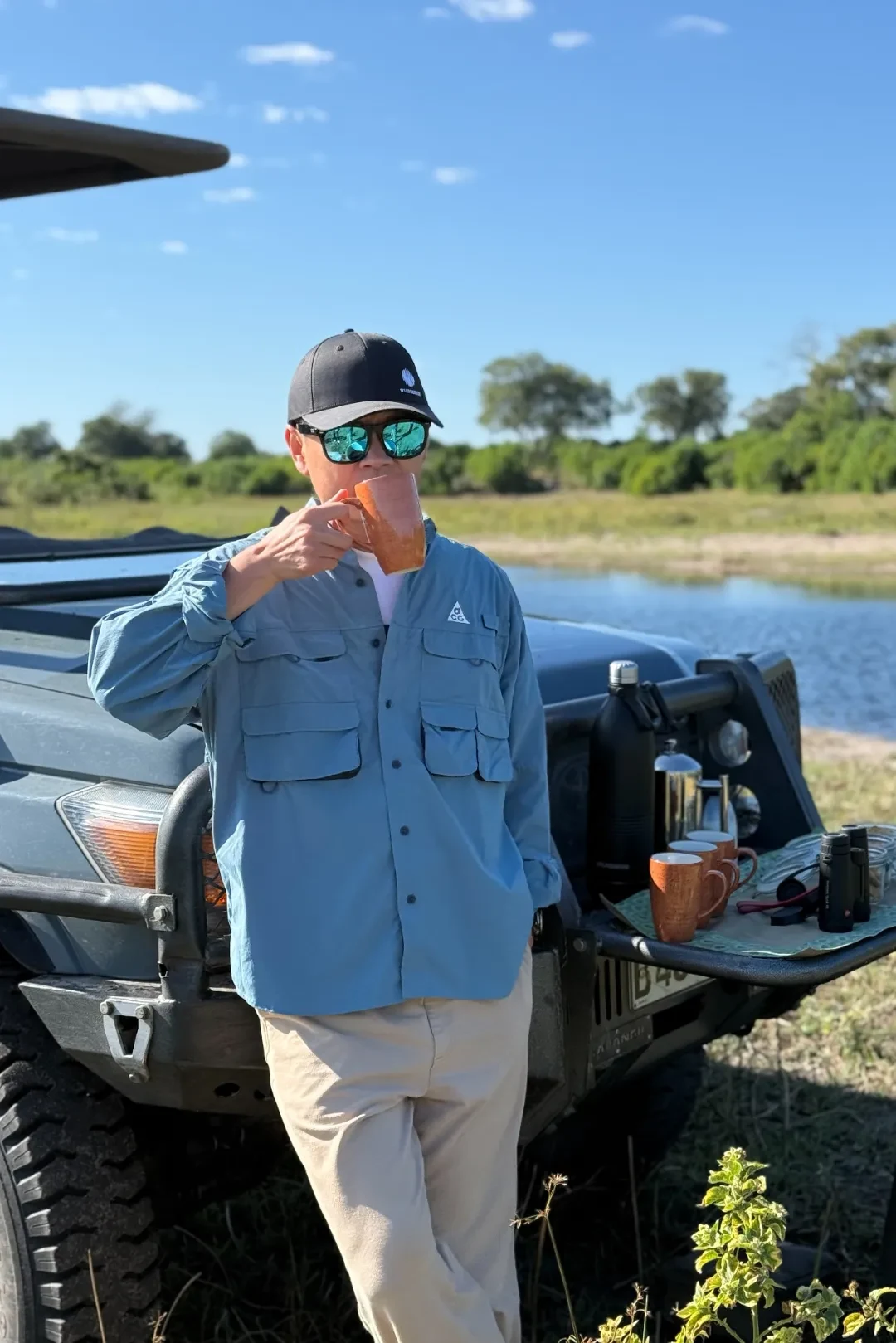
2. Beside the vehicle
Only in areas the guide confirms safe to exit. Use the safari vehicle as a background for full-body shots at camp or rest areas. Never exit a national park just to take photos.
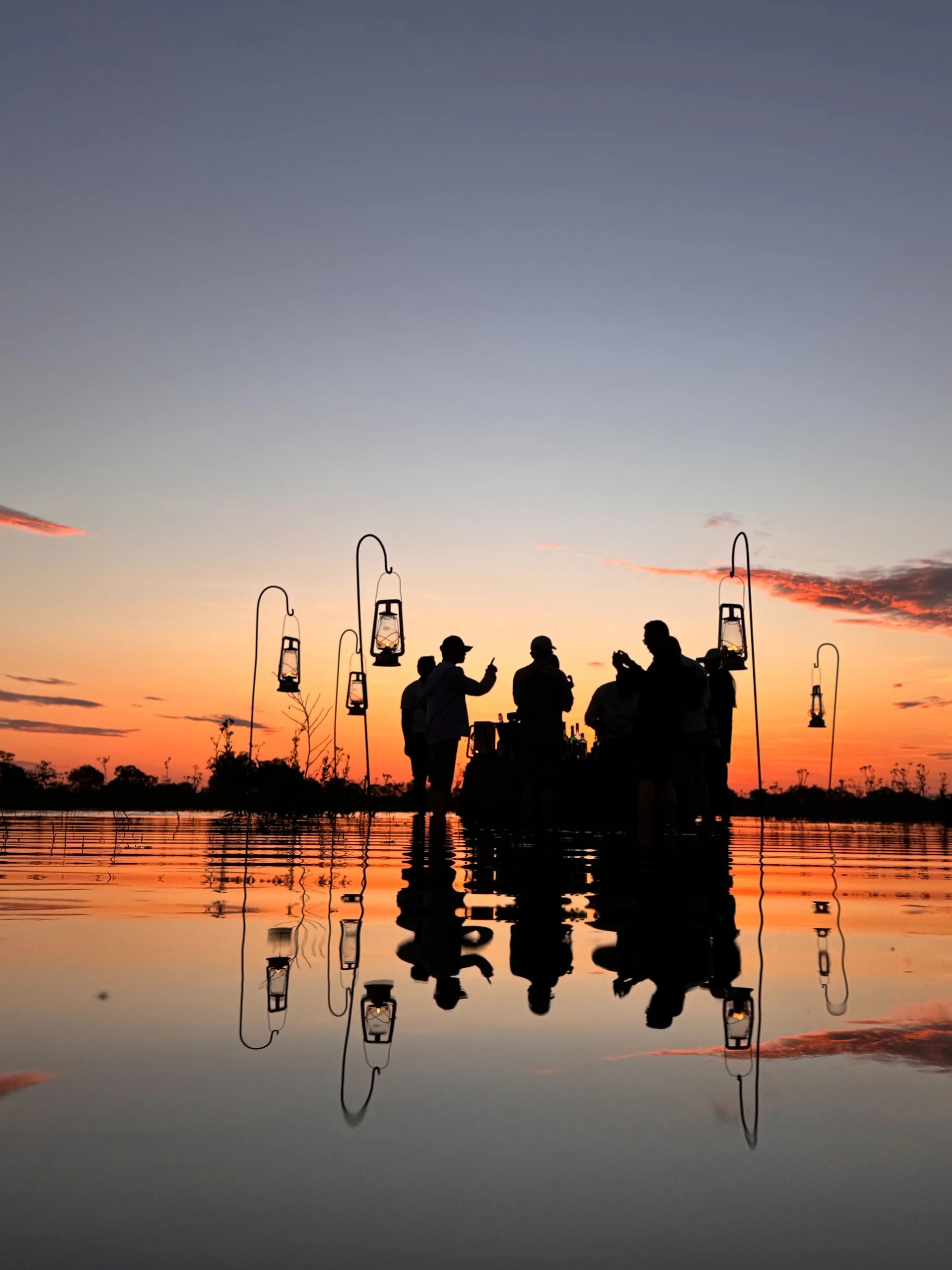
3. Sunrise and sunset
The savanna is great for backlighting. At sunset keep the subject small and give space to the grassland, trees and sky; silhouettes convey the wilderness scale better than front poses.
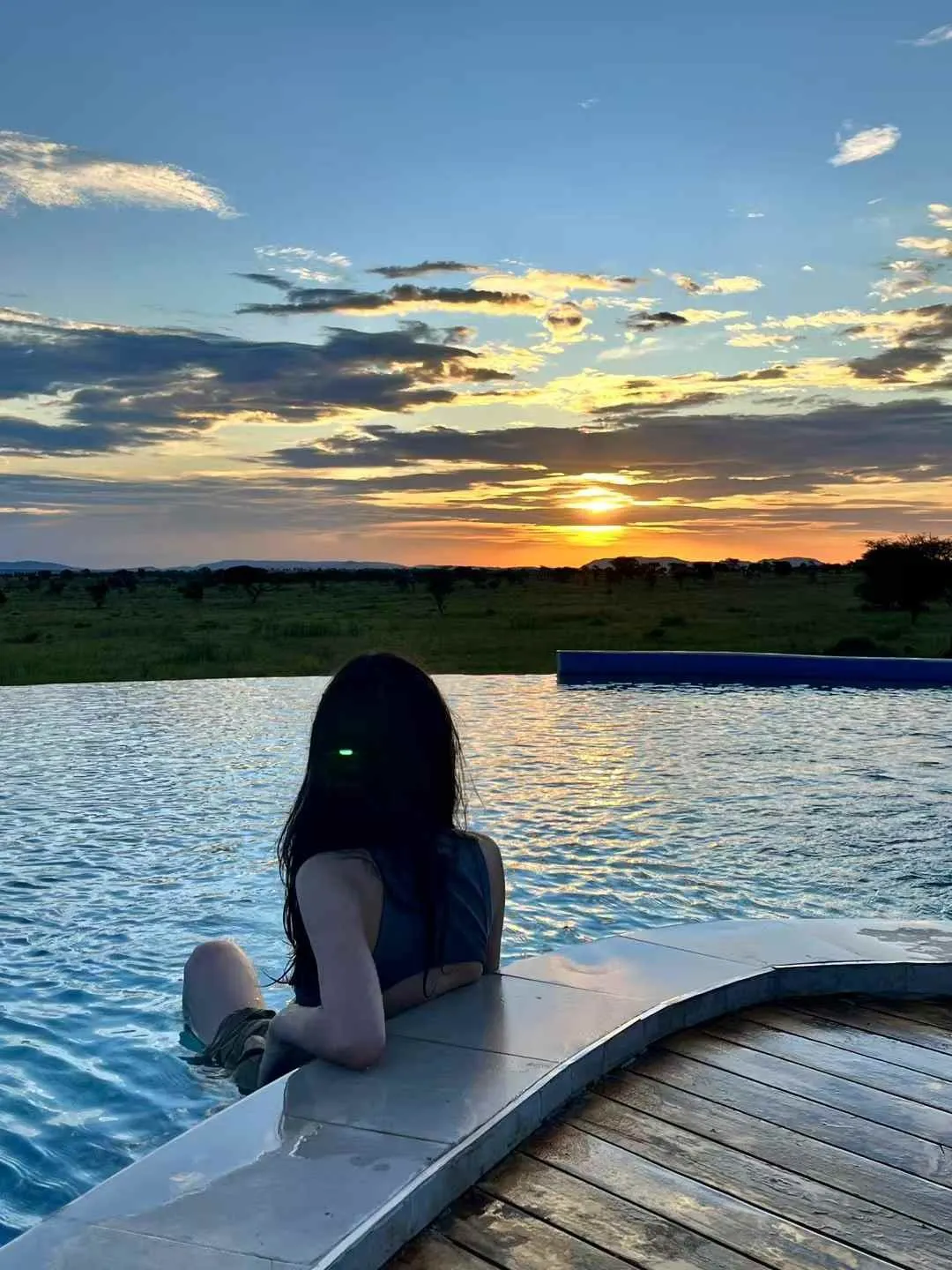
4. At camp
Many luxury camps have great photo settings like viewing decks and pools.
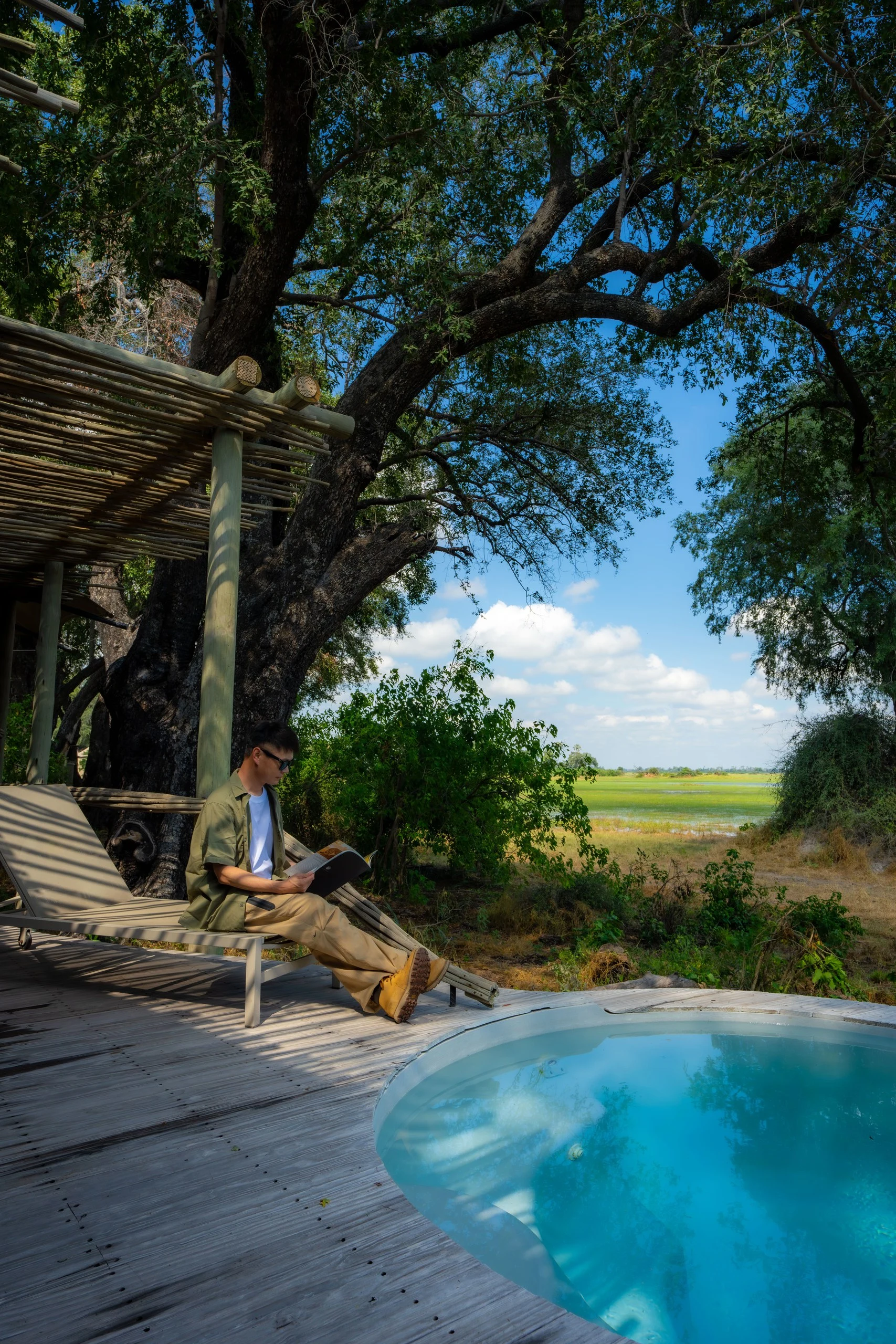
5. Picnic or Sundowner
Many high-end safaris arrange savanna picnics or sundowner drinks. Holding a drink and chatting with companions makes natural travel photos.
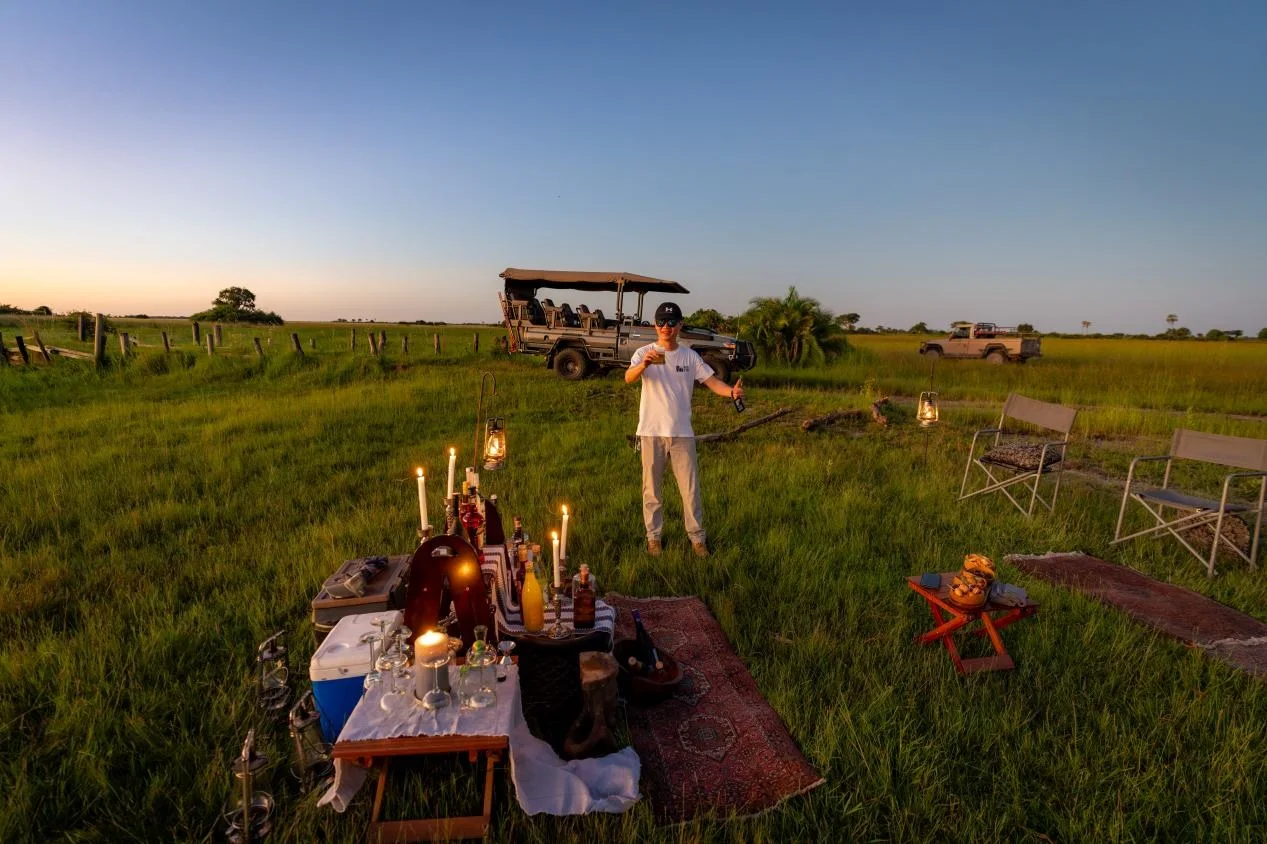
5. Best time for safari photos
The "golden hour" is especially pronounced in Africa.
Morning — soft light right after sunrise, often with mist or low-angle light, and wildlife is more active.
Dusk — lower sun and golden light enhance the savanna's layers, ideal for portraits, vehicles and large-animal silhouettes. Professional safaris therefore value early-morning and late-afternoon game drives.
ps. Always follow the guide's instructions during safari photography — never exit the vehicle or approach animals without permission, and keep a safe distance.
FAQ
QWhat colors should I wear on an African safari?
Khaki, beige, brown, olive green, light gray and sand — earth and natural tones that blend with the savanna, resist dirt and photograph well. White works but gets dirty. In tsetse-fly areas, reduce black and dark blue.
QDo I really need a jacket for safari?
Yes. Day-night temperature swings are large and mornings are cool. Bring a softshell + light down liner that packs small. It warms up after 10am, so layering is most practical.
QWhat is the best time for safari photos?
Morning and dusk. Morning offers soft light, mist and active wildlife; dusk's golden light enhances savanna layers and suits silhouettes of people, vehicles and large animals.
QWhat accessories should I bring for safari?
Sunglasses (UV protection), a wide-brim hat or cap (shade), a silk scarf / multifunctional headwear, and optionally a sun-protective face mask. Use a chin strap for hats in wind or open vehicles.
Interested in Africa?
Contact our dedicated travel consultant for a free one-on-one consultation and a bespoke African safari itinerary.
Plan My Trip