Many people assume the Great Migration equals wildebeest river crossings. But in reality — that is only one act of the migration. Animals migrate all year round, and the savanna is never empty.
The calving season and the river crossing season are two completely opposite life narratives within this cycle of millions of creatures. One represents new life, the other confronts death; one is gently green, the other vast and majestic. There is no absolute "better" — only the one that better matches the East African wilderness you are looking for.
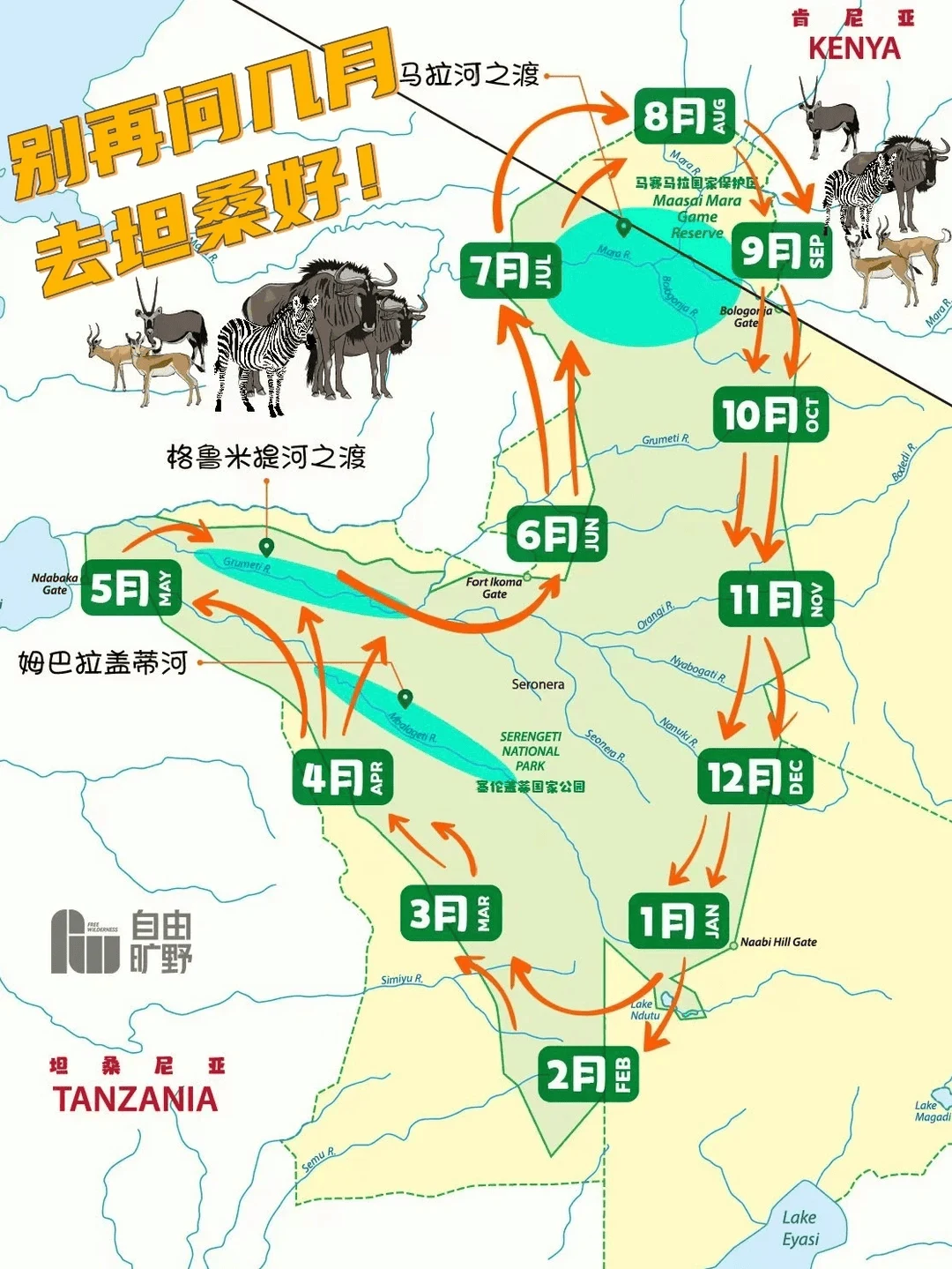
1. Overview of the Two Seasons
🐣 Calving Season | Late January – Early March
📍 Core area: southern Serengeti · Ndutu Millions of wildebeest and zebra gather on the southern short-grass plains. In just over a month, nearly 500,000 wildebeest calves are born, with about 8,000 calves arriving each day. Newborn calves are a natural food source for predators, so lions, cheetahs, leopards and spotted hyenas are all highly active, with hunting frequency at its annual peak.
- ✅ Landscape: after the rains, the grassland is covered in tender green grass with rich cloud layers — an incredibly atmospheric scene for photos.
- ✅ Visitor density: moderate, lower than the Jul–Sep crossing peak; little competition for viewing spots.
- ✅ Budget: luxury camp prices are reasonable; no need to book 12 months in advance.
- ⚠️ Note: occasional brief afternoon showers; by late March the long rains begin and travel is not recommended.
🌊 River Crossing Season | July – October
📍 Core area: northern Serengeti Kogatende and the Mara River banks The herds migrate north, facing their greatest obstacle — the Mara River. Nile crocodiles lie in wait, and thousands of wildebeest and zebra plunge into the water, staging the world-famous "Great Crossing." Beyond the Mara, the Grumeti River in the western corridor sees its first crossings in June–July — smaller and with fewer visitors, ideal for travelers who want to avoid the crowds.
- ✅ Landscape: golden savanna in the dry season; vegetation withers and animals gather near water, making herds easier to spot from a distance.
- ✅ Visitor density: annual peak, with photographers from around the world converging; more vehicles at core crossing points.
- ✅ Budget: prices rise across the board; popular riverside luxury camps should be booked 9–12 months in advance.
- ⚠️ Note: crossings can never be 100% guaranteed! Affected by rainfall and herd movement, you may need to wait 2–3 days to witness a large-scale crossing.
2. Full Comparison of Core Dimensions
1. Wildlife viewing experience
Calving season scenes blend tenderness and harshness. You will see wobbly young wildebeest and zebra, and often lion cubs and cheetah families. You witness moments of birth, and also the cruel laws of nature. Predation is highly likely, making it a golden window for big-cat lovers and wildlife photographers. Herds are relatively concentrated on the open Ndutu plains with clear sightlines.
River crossing season strong visual impact and epic atmosphere. Tens of thousands of creatures galloping and wading simultaneously, dust and water intertwined — an irreplaceable sense of awe. However, the probability of seeing small animal calves on daily drives is lower; the focus is more on the migration herds and the crossing spectacle.
2. Photography styles
- ▫️ Calving season: green grassland, cloudy light, healing ecological shots, rich in adorable wildlife and family-animal subjects.
- ▫️ Crossing season: golden wilderness, vast horizons, grand narrative feel — ideal for photographing massive herds and dramatic crossings.
3. Common pitfalls to avoid
- ❌ Myth 1: the calving season only has small animals and you can't see the migration Correction: Ndutu is itself the starting point of the migration circuit; millions of herds gather here year-round, spectacular in scale.
- ❌ Myth 2: going to the Serengeti in Jul–Sep guarantees seeing the Mara crossing Correction: herd movement is highly uncertain and can't be guaranteed 100%; more time improves your chances.
3. Free Wilderness | Tailored Recommendations
If you:
- prefer soft green scenery and love ecology and baby animals;
- dislike crowds and want a quieter, more immersive safari;
- have a limited budget but still want high-end luxury while avoiding peak prices.
👉 Prioritize the Calving Season.
If you:
- want to check off a once-in-a-lifetime item and insist on witnessing the "Great Crossing";
- are a photography enthusiast seeking grand, impactful migration shots;
- have ample time and can reserve at least 2-3 nights in northern Serengeti to wait patiently;
- can accept higher accommodation costs and more visitors.
👉 Prioritize the River Crossing Season.
4. How a Professional Safari Agency Helps Choose the Timing
Free Wilderness has long specialized in Tanzania safari routes; the core team has over a decade of on-the-ground experience in African destinations, having explored the entire Serengeti multiple times and mastered the year-round movement patterns of the migration, tailoring optimal routes to each season's ecological changes.
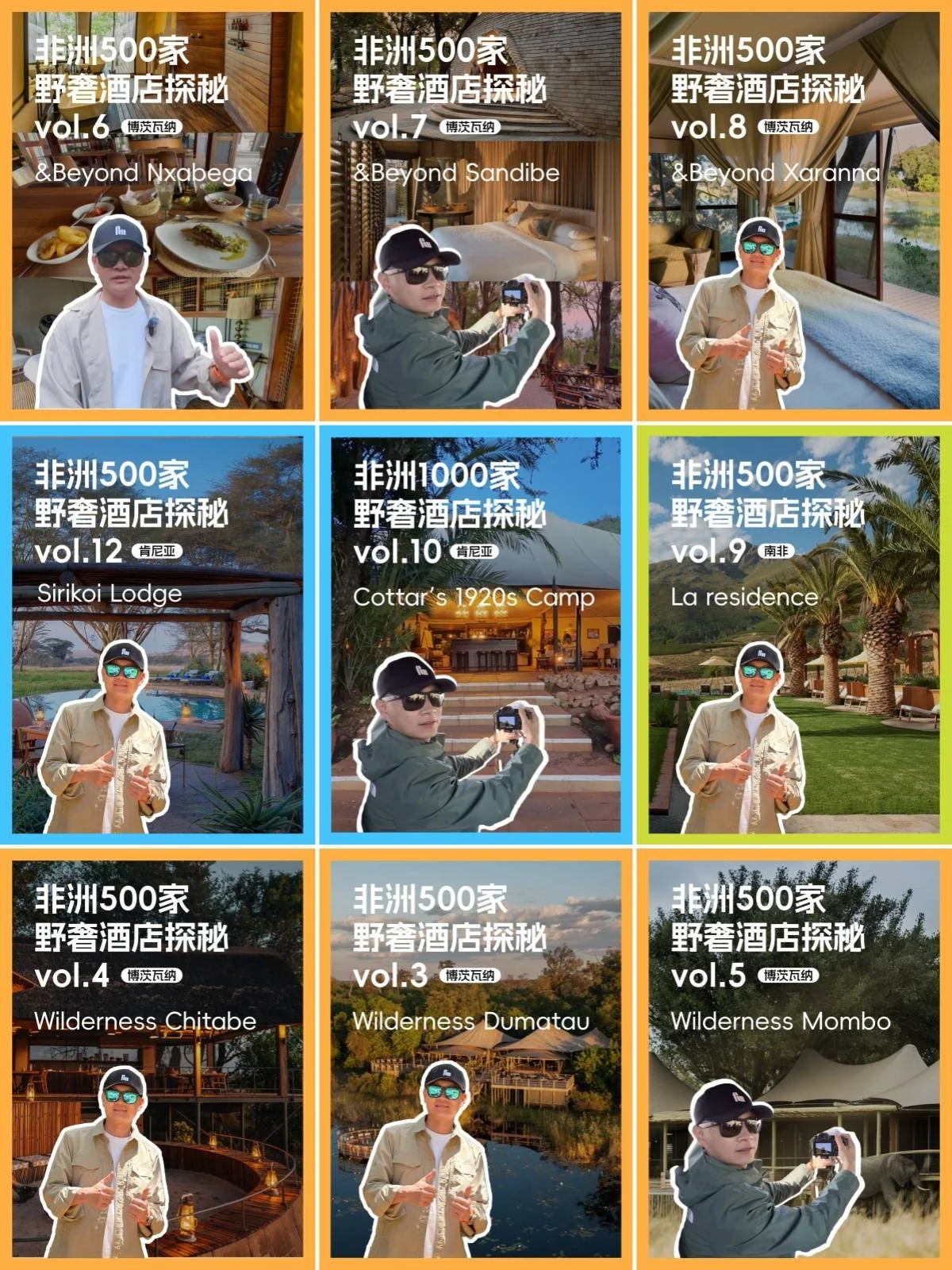
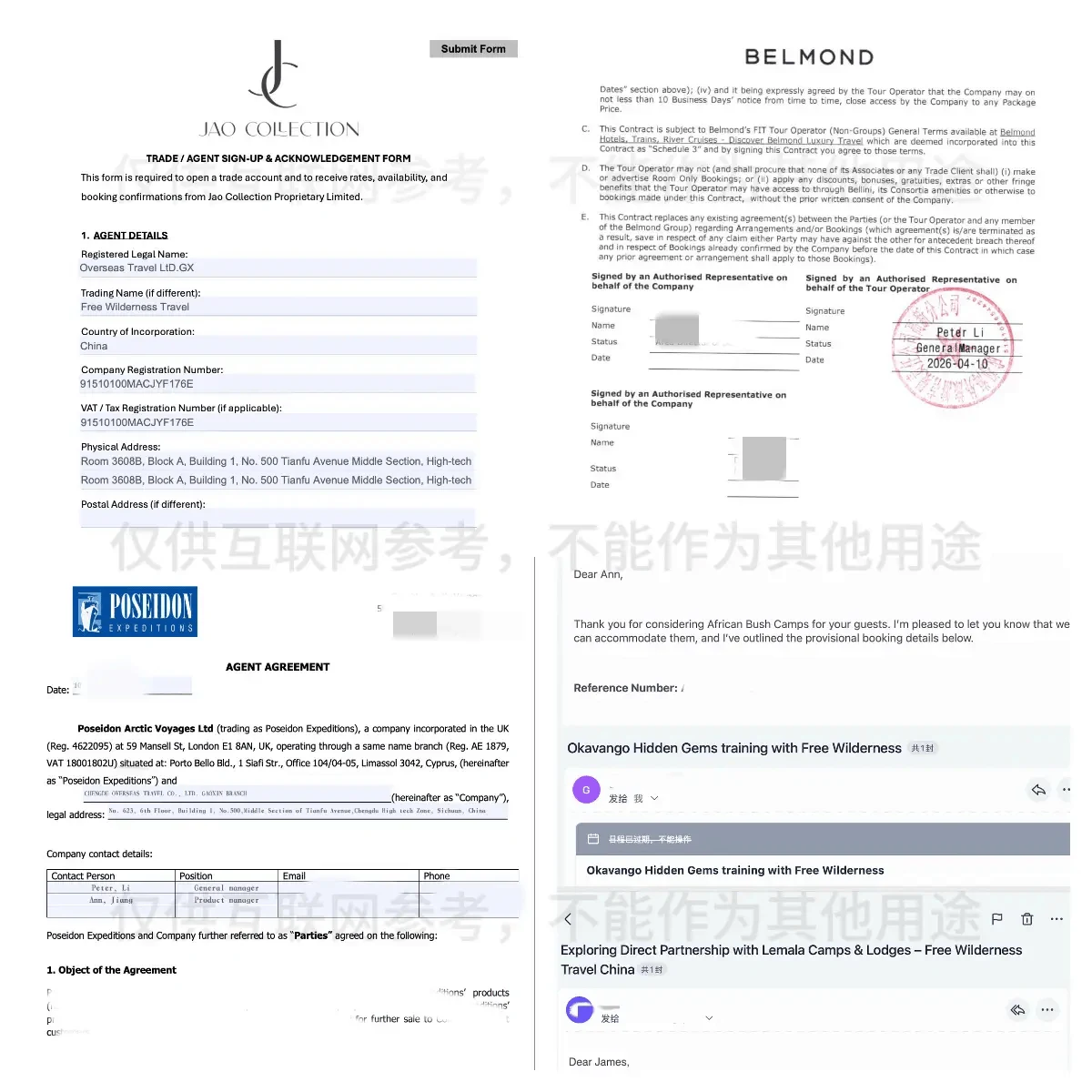
✅ Direct partnerships with first-tier luxury camps, priority room locking in peak season
Long-term partnerships with Singita, One Nature, Lemala and other luxury camps. Priority booking rights for Mara River viewing tents during the crossing peak and scarce Ndutu camp rooms during the calving season, greatly reducing the risk of no availability or forced camp changes. Direct partnerships with &Beyond, Wilderness and other camp brands let clients enjoy top-tier luxury at high value.
✅ Tailored routes for every traveler, rejecting templated itineraries
Fully distinguishing each traveler's core needs with one-on-one professional customization.
✅ Handpicked local senior licensed guides to boost sighting chances
Partner guides stationed in the Serengeti year-round, familiar with animal movement; vehicles have no mileage limits, so you can stop whenever you encounter animals without rushing with the crowd.
✅ Full-service end-to-end support
Coordinating international flights, Tanzania domestic light aircraft, national park fees, all transfers and accommodation, rationally planning long north-south relocations to reduce wasted driving; 7×24 bilingual concierge online, calmly handling weather, flights, herd changes and other emergencies.
✅ Objective, neutral travel advice without pushing any season
We don't blindly promote the more hyped crossing season. Considering your holiday length, companions' physical condition, photography needs and budget, we objectively analyze the pros and cons of both seasons and recommend the window that truly suits you — no assembly-line sales.
Relying on destination resource integration and long field experience, we help travelers avoid the season, camp and route traps that ordinary tourists easily fall into, so everyone gets a safari that matches their expectations.
FAQ
QWhen are the calving season and the river crossing season?
The calving season runs from late January to early March, when herds concentrate on the southern Serengeti Ndutu short-grass plains to give birth. The river crossing season runs from July to October, when herds reach northern Serengeti and the Mara River banks to stage the "Great Crossing."
QWhich season should I choose to see baby animals and predation?
Prioritize the calving season. Nearly 500,000 wildebeest calves are born, and lions, cheetahs, leopards and spotted hyenas are all highly active, with hunting frequency at its annual peak — a golden window for big-cat lovers and wildlife photographers.
QIs seeing the Mara River crossing guaranteed during the crossing season?
It cannot be 100% guaranteed. Herd movement is affected by rainfall, water levels and migration rhythm, so you may need to wait 2–3 days to witness a large-scale crossing. Reserve at least 2-3 nights in northern Serengeti and wait patiently.
QFor a first Tanzania safari, how do I choose between calving and crossing season?
Choose the calving season if you love green scenery, a quiet immersive experience and a limited budget. Choose the crossing season if you insist on a once-in-a-lifetime "Great Crossing," seek grand photography, have ample time and can accept higher costs.
Interested in Africa?
Contact our dedicated travel consultant for a free one-on-one consultation and a bespoke African safari itinerary.
Plan My Trip