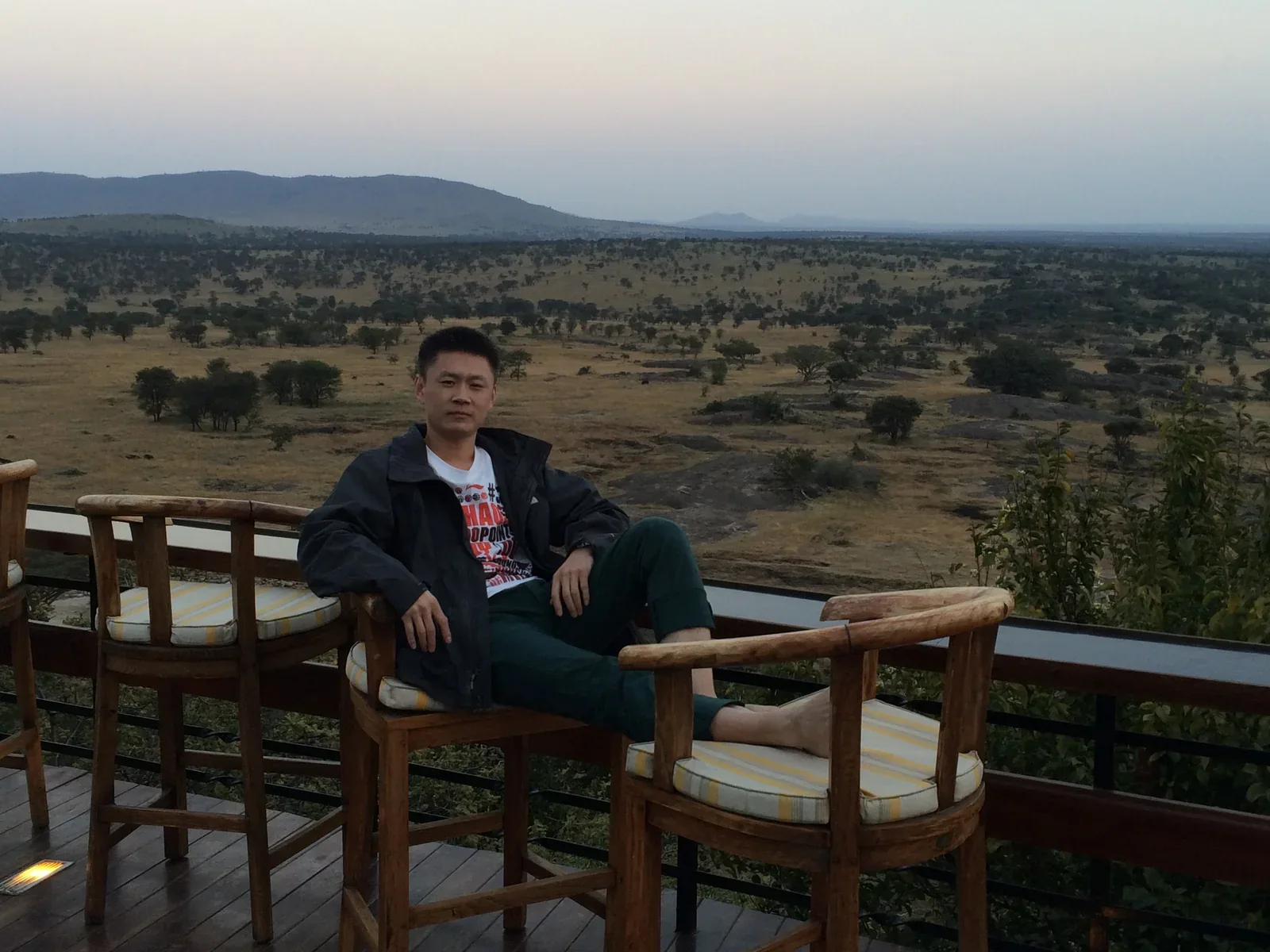
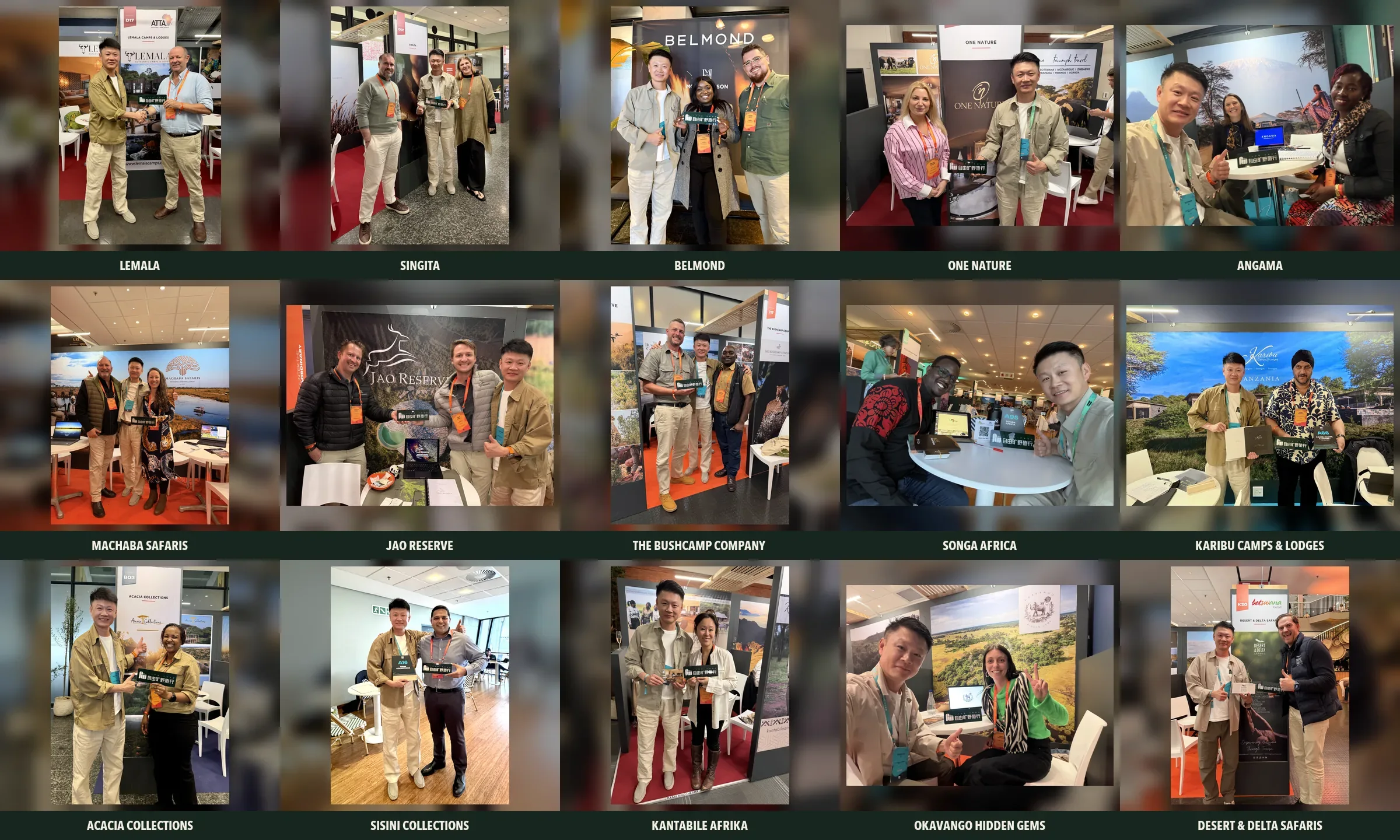
In the first half of 2026, Free Wilderness founder Li Zhiqiang was invited by Belmond, Wilderness, African Bush Camps, Sirikoi, and Cottar's Safaris to visit Kenya, Botswana, and Rwanda in turn, conducting on-the-ground research at multiple high-end wildlife reserves and luxury camps.
The actual experience of African safari travel is constrained by many real-world conditions, including reserve location, seasonal climate, camp hardware, vehicle and guide services, and regional transport connections. For practitioners in African outbound travel, on-site visits and verification are an important way to organize resources and recognize product differences. This research covered different types of safari destinations across East and southern Africa, involving differentiated ecosystems such as savanna, inland delta wetlands, and mountain forests.
Researcher
Researcher: Li Zhiqiang, founder of Free Wilderness, with years of deep expertise in high-end African safari travel, who has long visited luxury camps and nature reserves across multiple African countries, focused on African safari destination resource research.
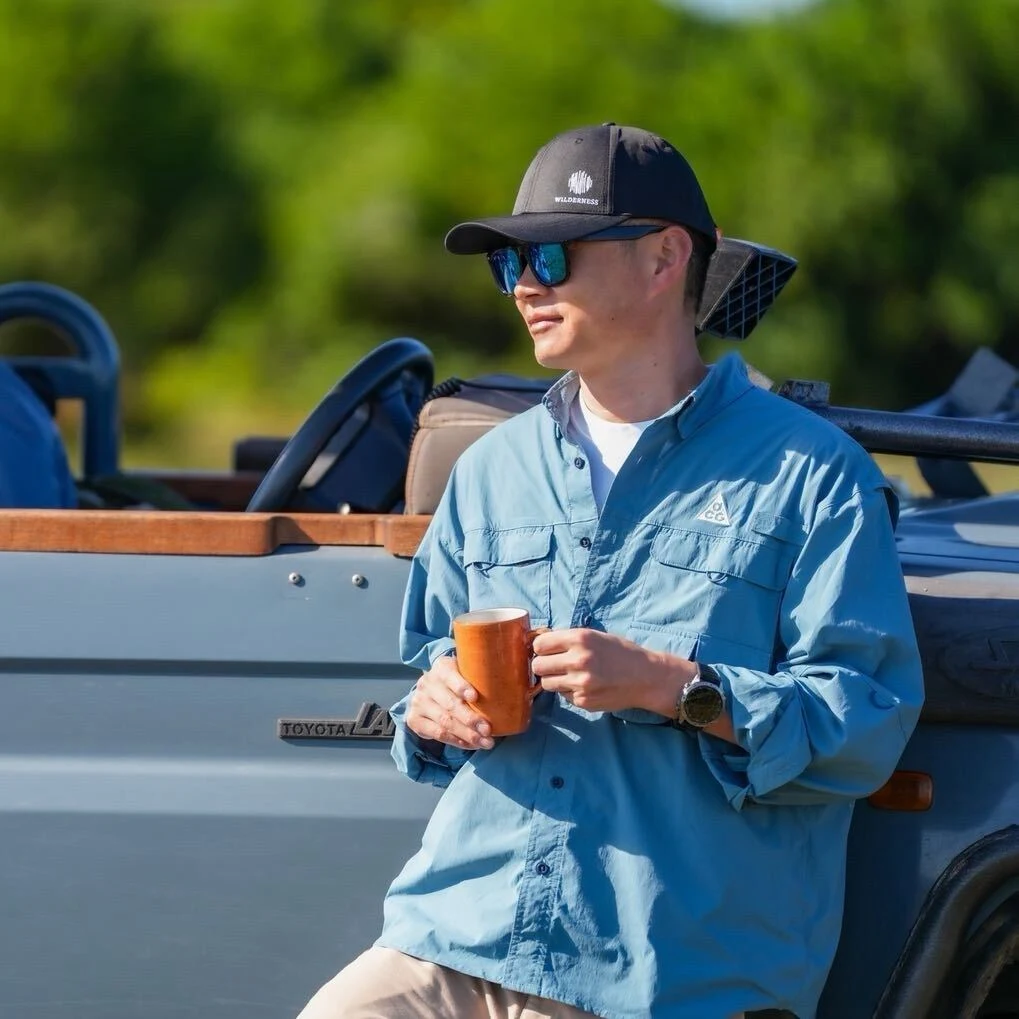
Li Zhiqiang, founder of Free Wilderness.
January | Kenya: private conservancy safari resource research
In January 2026, research was conducted in Kenya, focusing on the Sirikoi camp within the Lewa Wildlife Conservancy, and Cottar's 1920s Camp in a private Masai Mara conservancy.
The Lewa Wildlife Conservancy covers over 60 square kilometers and has only five camps within it, keeping overall visitor density low. It is also an important area for rhino conservation in Kenya, involved in protecting both black and white rhinos. During the research, the team focused on Lewa's safari routes, the conservancy's operating model, and local wildlife conservation practices.
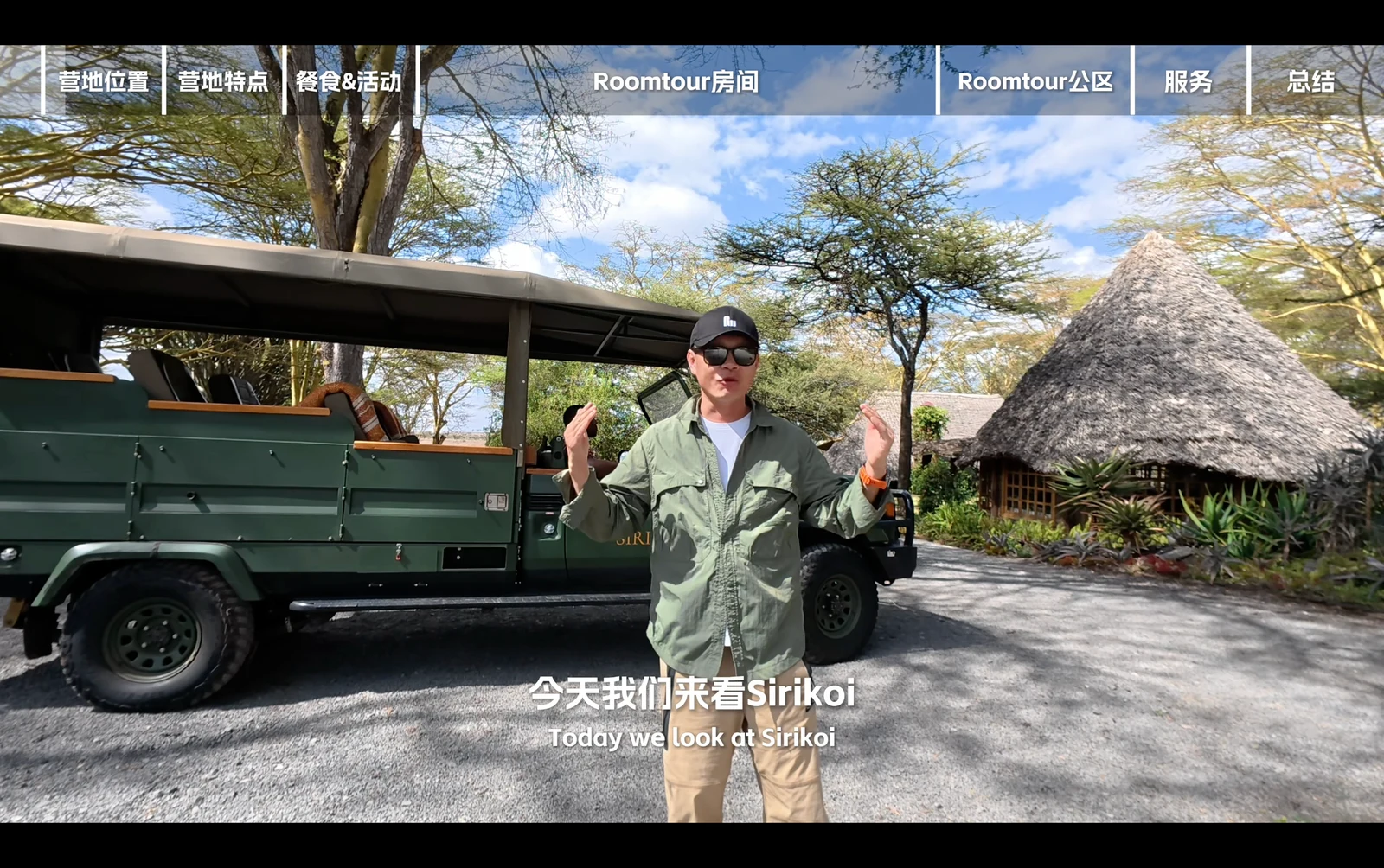
Sirikoi camp within Kenya's Lewa Wildlife Conservancy.
Cottar's 1920s Camp sits in a private Masai Mara conservancy, on the border between Kenya and Tanzania, at an elevation of over 2,100 meters with views overlooking the northern Serengeti. The camp completed an upgrade in 2025, with tents featuring full mesh-screen ventilation, terraces, and private plunge pools, offering private guides, 4x4 safari vehicles, walking safaris, and local cultural visits.
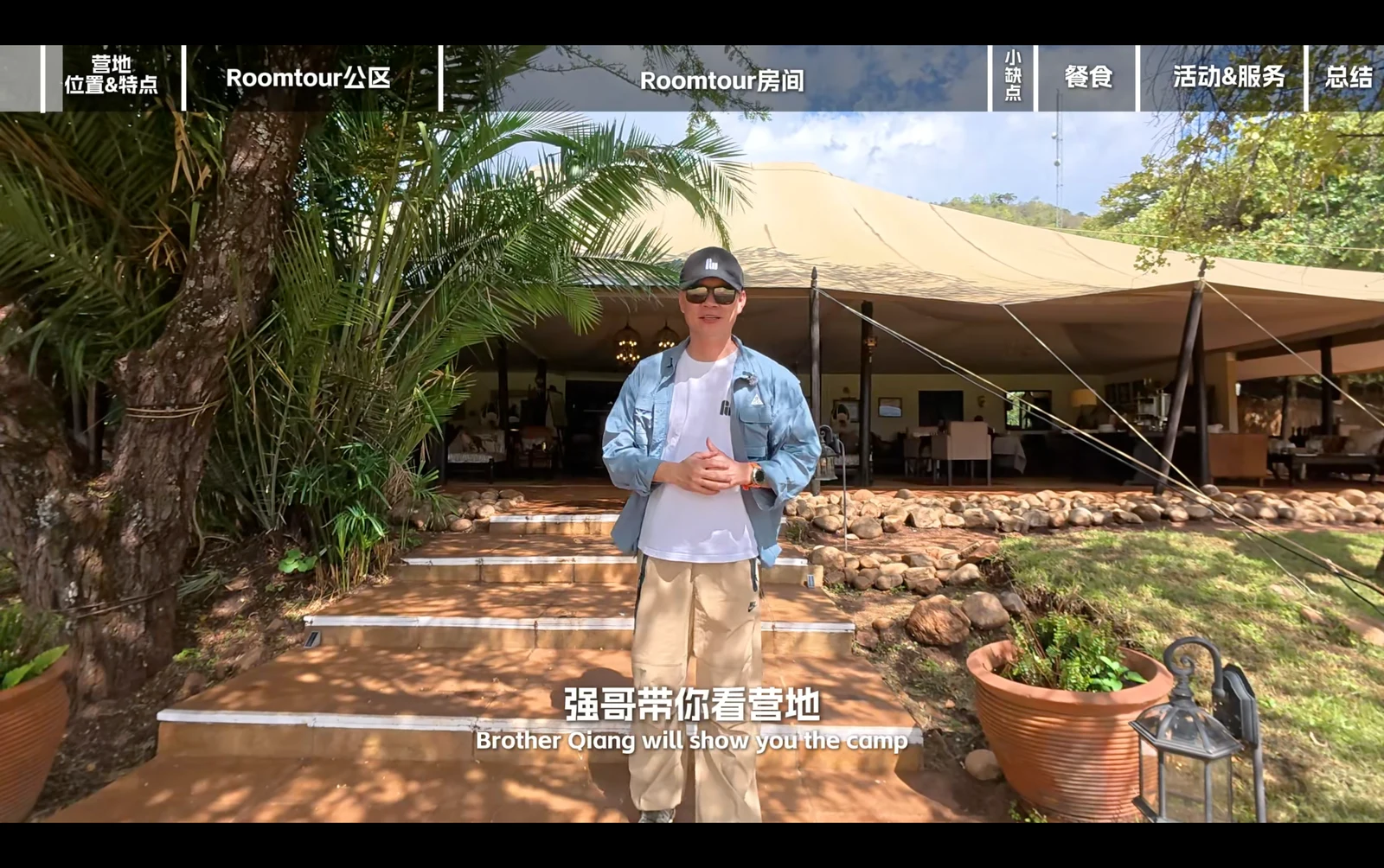
Cottar's 1920s Camp in a private Masai Mara conservancy.
This on-site visit collected first-hand information on the Masai Mara and surrounding private conservancies, providing reference for understanding the real differences of various conservancy combination routes.
Mid-May | Botswana: Delta and land ecology camp research
In May 2026, the research team spent over ten days in Botswana, experiencing several representative camps under Belmond and African Bush Camps, comparing the two very different safari ecosystems of the Okavango Delta wetlands and Chobe National Park's land environment.
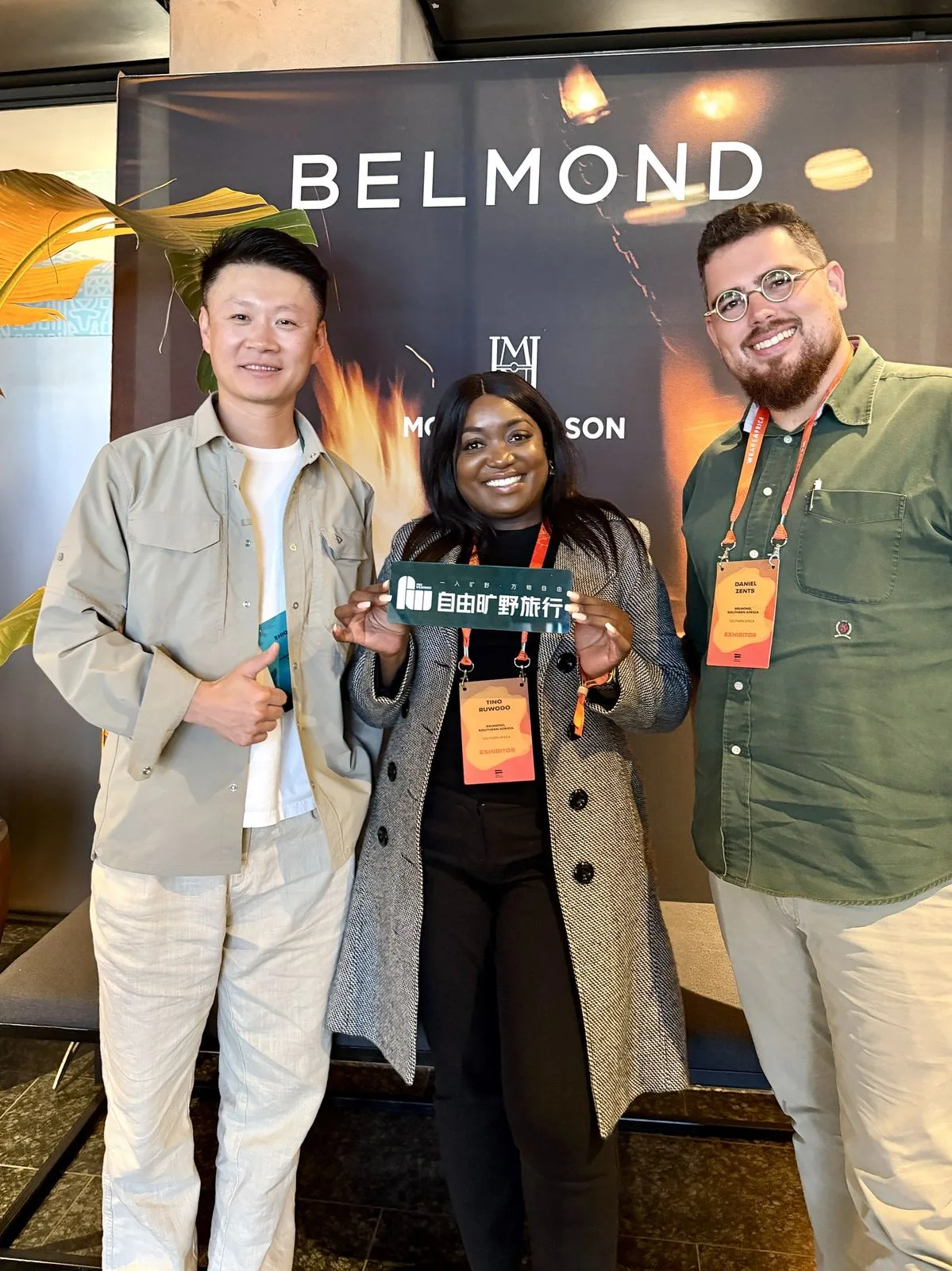
The wetland and land safari ecosystems of Botswana's Okavango Delta and Chobe National Park.
Belmond operates two safari camps in Botswana: Eagle Island Lodge and Savute Elephant Lodge. Eagle Island Lodge sits on Xaxaba Island within the UNESCO World Heritage Okavango Delta, with 12 rooms featuring private pools. Using the Delta's water system, guests can enjoy game drives, mokoro canoe excursions, boat safaris, and helicopter tours. The Okavango Delta experience is significantly affected by seasonal water-level fluctuations, which directly determine the activities available.
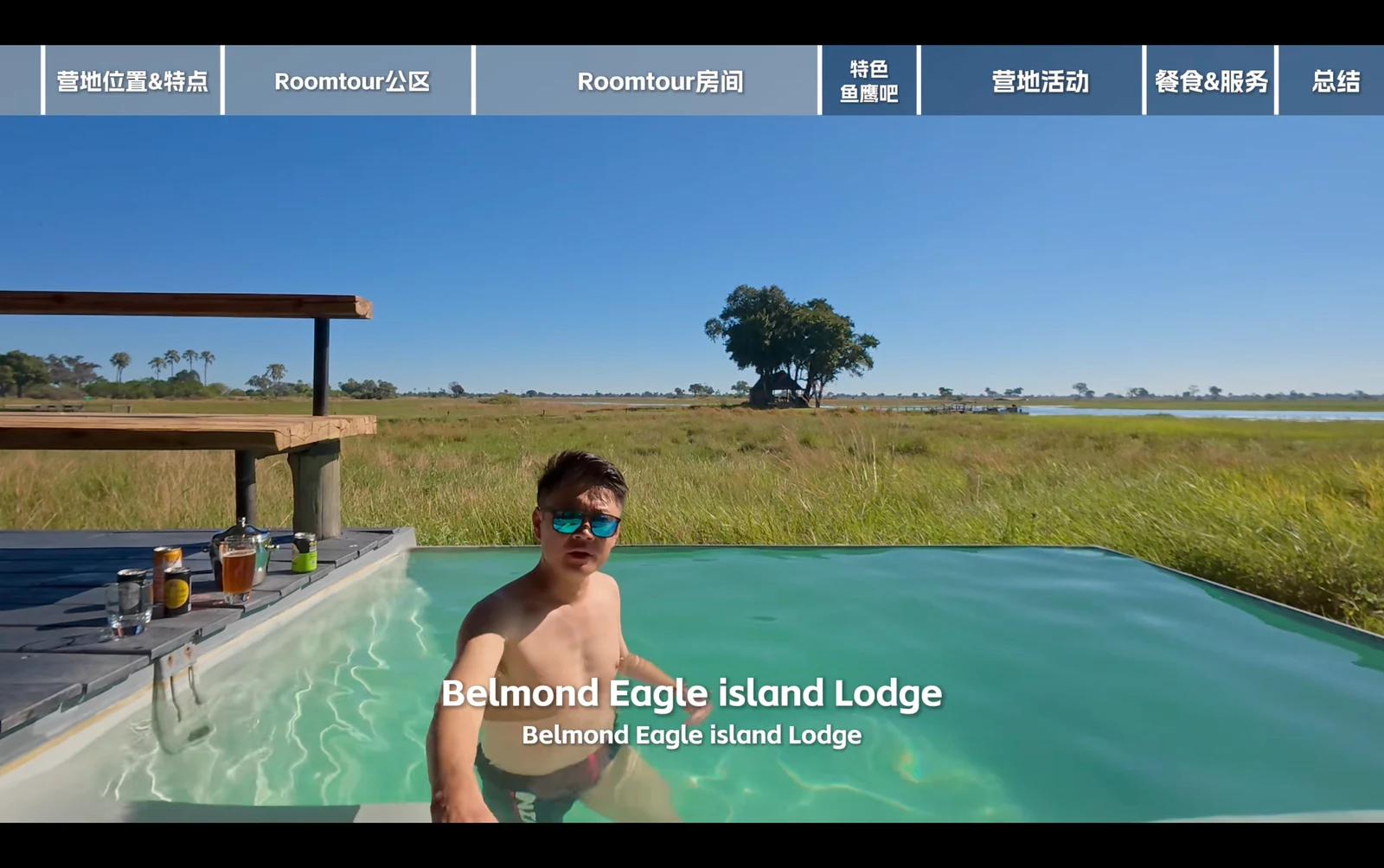
Belmond Eagle Island Lodge on Xaxaba Island in the Okavango Delta.
Savute Elephant Lodge is located along the Savute Channel within Chobe National Park, with 12 tented rooms adjacent to a permanent wildlife water source. It centers on land-based game viewing, complemented by nature interpretation and local cultural activities. This camp forms a sharp ecological contrast with the Delta's water camps.
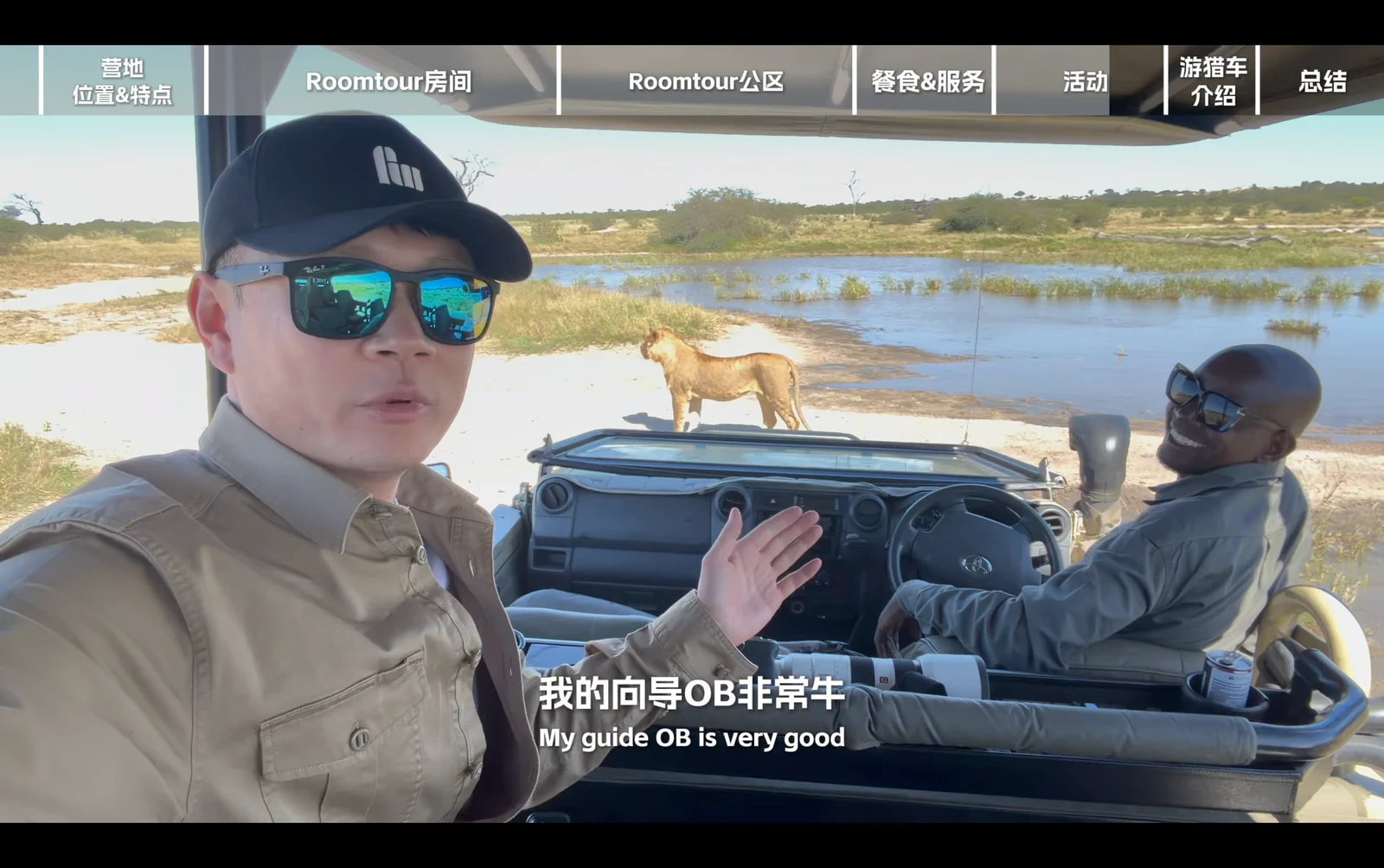
Savute Elephant Lodge along the Savute Channel in Chobe National Park.
During the same period, the research also visited African Bush Camps' Khwai Leadwood and Atzaró Okavango Camp. Khwai Leadwood is in the Khwai area, surrounded by rivers, woodlands, and open grasslands. The research focused on wildlife viewing conditions, visitor vehicle density, available activities, and road connections with the nearby Moremi reserve.
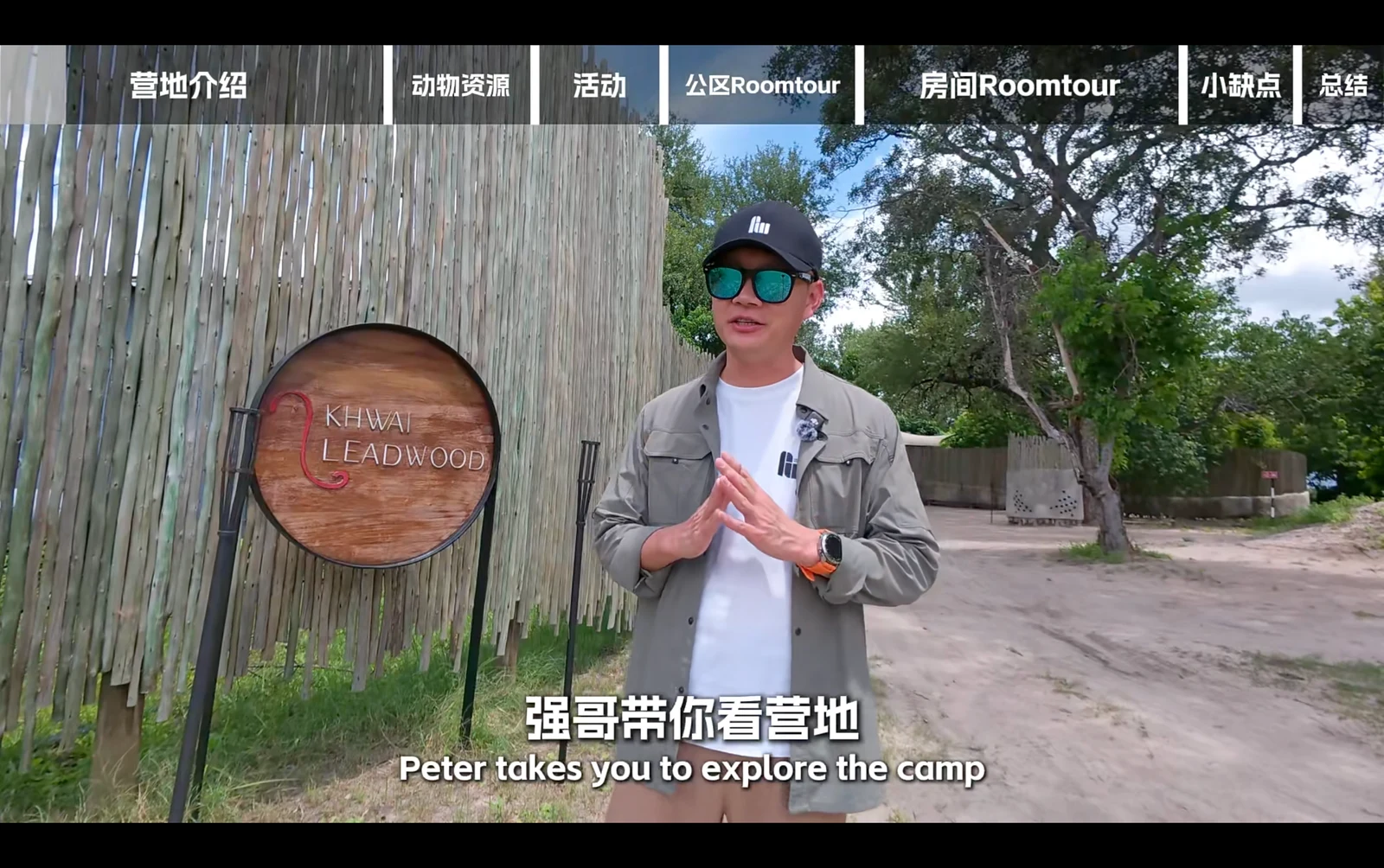
Khwai Leadwood camp under African Bush Camps.
Atzaró Okavango Camp is a recent high-end camp project by African Bush Camps, located deep in the Okavango Delta. While retaining its wilderness character, the camp emphasizes accommodation design and dining/wellness amenities, differing from traditional high-intensity game-viewing camps and suiting guests who want both safari experiences and a relaxed resort pace.
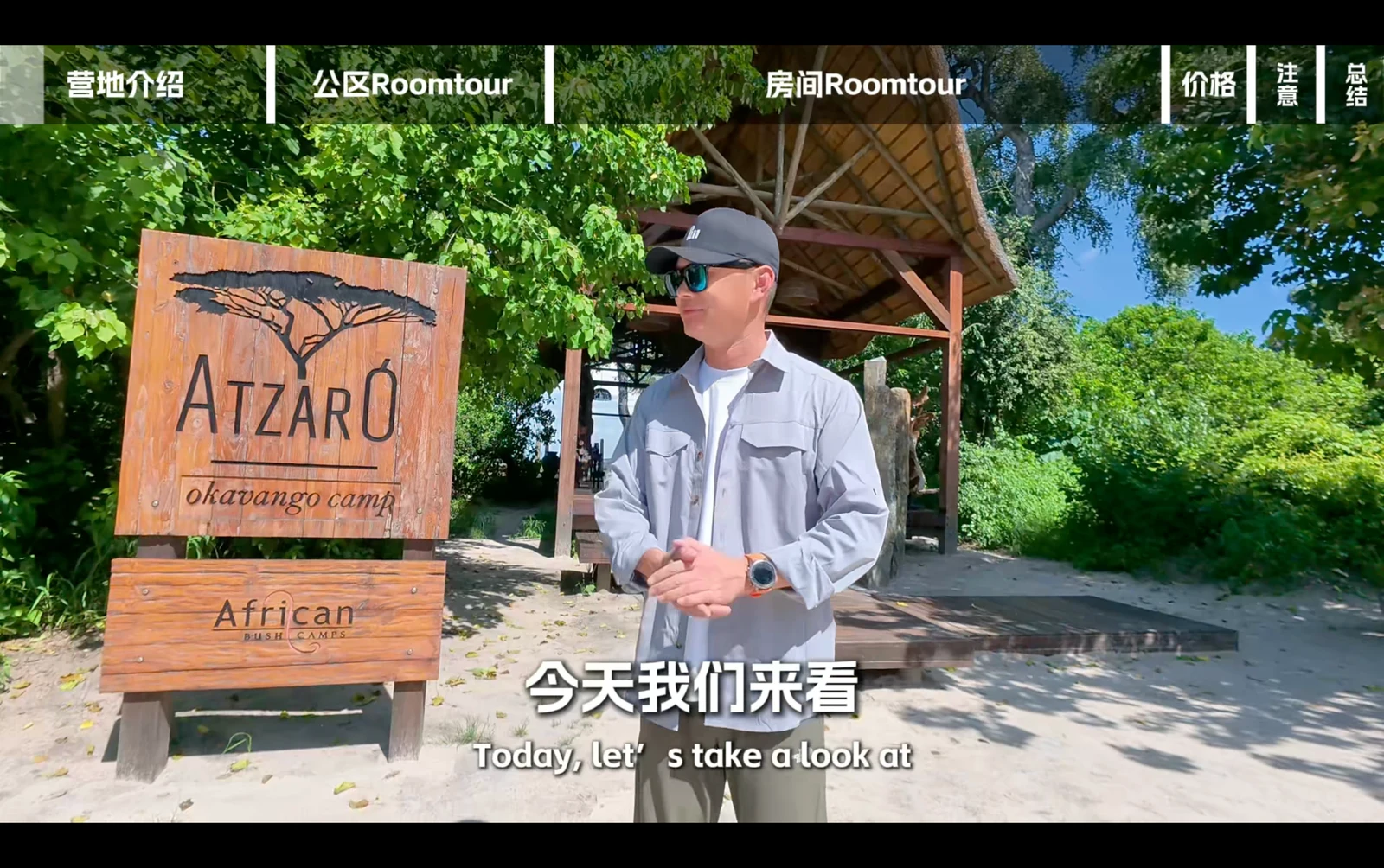
Atzaró Okavango Camp, a high-end camp under African Bush Camps.
Different camps in Botswana belong to different ecological areas, so route planning must account for each camp's terrain and seasonal water levels, as well as practical issues such as domestic light-aircraft transfers, guide and vehicle configuration, and cross-region route connections — all key focuses of this research.
Late May | Rwanda: mountain gorilla eco-travel research
After completing the Botswana itinerary, in late May 2026, the research team was invited by Wilderness to Rwanda to inspect the Wilderness Bisate camp and Volcanoes National Park travel resources.
Bisate camp sits adjacent to Volcanoes National Park, where the core travel experience is mountain gorilla trekking — clearly different from the safari model of the East African savanna and Botswana's Delta. Gorilla trekking is constrained by national park management rules, trekking difficulty, and permit quotas. This research reviewed transport around Volcanoes National Park, the organization process of gorilla trekking, the service flow of high-end nature travel in Rwanda, and the feasibility of linking Rwanda with East African safari routes.
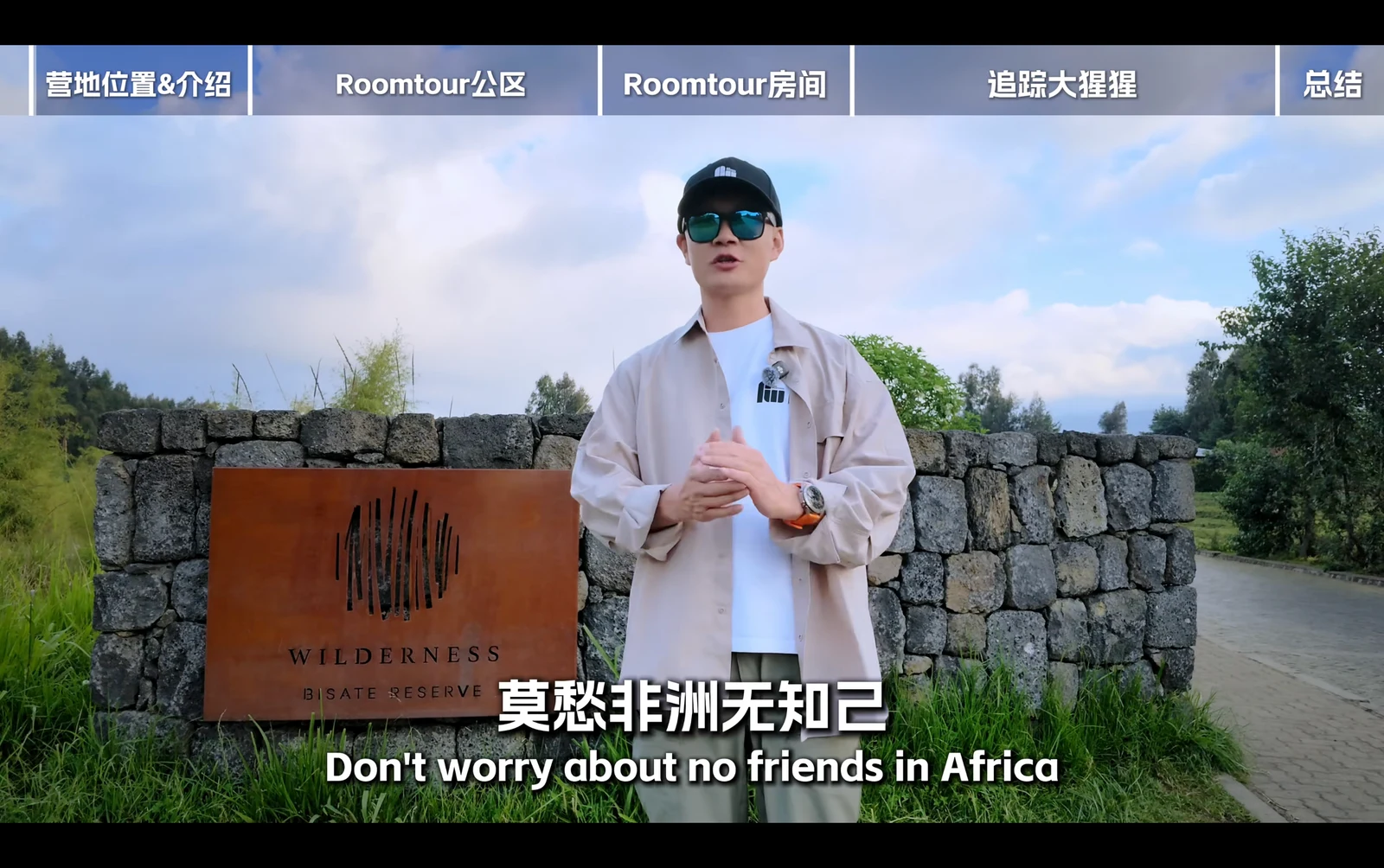
Wilderness Bisate camp adjacent to Rwanda's Volcanoes National Park.
Industry observation summary
High-end African safari travel is not simply the stacking of premium accommodation. Destination ecological conditions, seasonal cycles, camp location, and local service systems together determine the actual outcome of a travel product.
As domestic demand for high-end outbound travel grows, travelers' needs for African safaris are gradually shifting from standardized sightseeing to immersive, personalized in-depth experiences. Africa's countries differ greatly in terrain, species, and conservation policies, with savanna, inland wetlands, and mountain forests forming their own independent travel systems. Industry practitioners need to continuously track camp iterations and ecological seasonal changes, and clarify the suitability boundaries of different regional resources, in order to match the diverse travel demands of domestic travelers and push African luxury travel toward ever greater refinement.
About Free Wilderness
Free Wilderness Travel is operated by Chengdu Free Wilderness International Travel Service Co., Ltd., specializing in African safaris, polar expeditions, and high-end custom nature travel. Through destination field research, camp stay verification, and local resource communication, the team continuously updates itinerary design and service information to provide one-on-one travel advice.
Official website: https://freewds.com/
Want to learn more?
Contact our dedicated travel consultant for a free one-on-one consultation and a bespoke African safari or polar expedition itinerary.
Plan My Trip